Should I plan everything down to the last detail, or set off without a fixed itinerary and let my intuition guide me?
The answer isn't black and white. Both approaches have their place – and the ideal is to strike a balance. Let's look at the pros, the cons and some practical tips for both, backed up by real experience from the road.
Why plan ahead?
The advantages of a detailed plan:
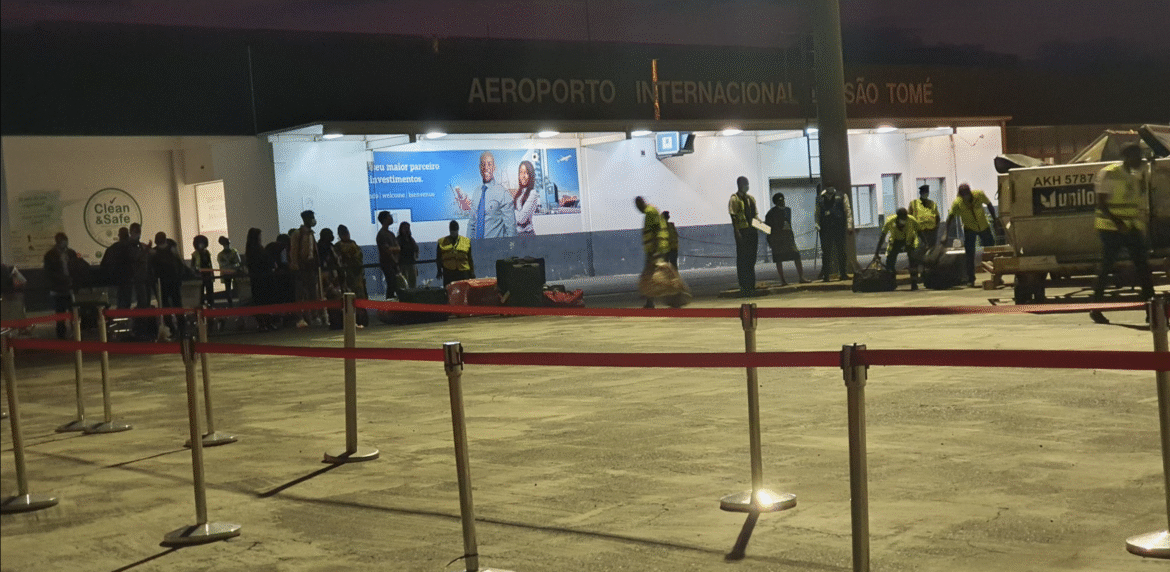
Planning ahead isn't just for perfectionists. Even the most adventurous traveller can appreciate knowing where to lay their head or how to get from A to B. Journeys planned in good time let you avoid endless queues at the bus station or pricey flights in the last few days before departure.
- Time efficiency – minimising unnecessary journeys and waiting.
- Saving money – booking early often cuts costs significantly.
- Securing favourite activities – some attractions are off-limits without a booking.
- Greater peace of mind – for many, a reassuring framework instead of chaos.
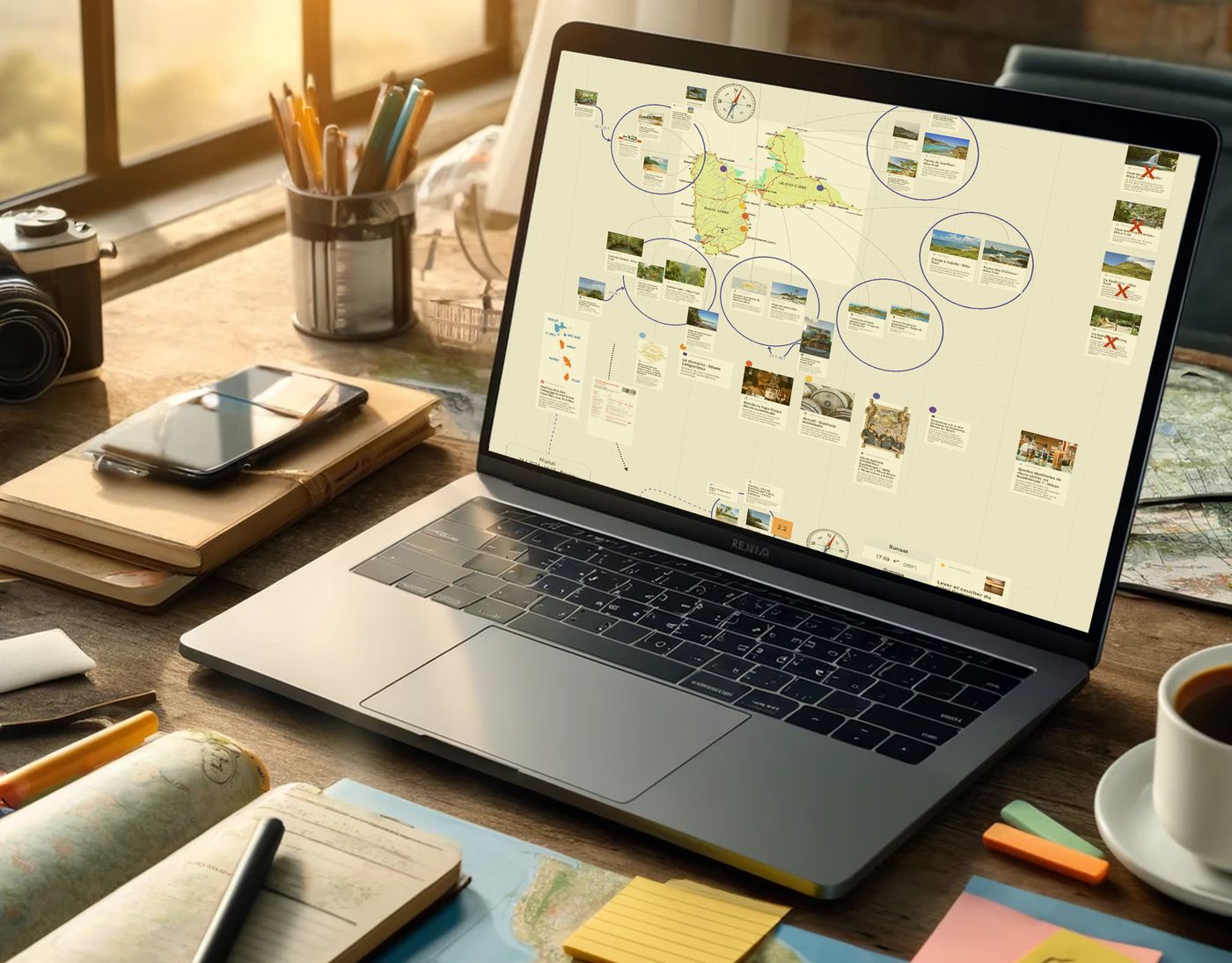
If you have a clear idea of what you want to experience, a plan helps you anticipate the availability of attractions, transport needs and possible complications. For many, planning itself is a bit like travelling in advance – hunting for inspiration and poring over maps, blogs and guidebooks can be a joy in its own right.
TIP: When planning, set out the basic skeleton of the trip – the main places and journeys. But leave 30–50 % of each day free. You'll have room for new impulses, or simply to breathe.
In the article 'Travel itinerary step by step, but… is there a universal way?' you'll learn that planning isn't just about 'having everything under control', but above all about having the time and space to truly enjoy the trip.
What not to forget when planning:
Planning isn't just putting together an itinerary. It's thorough preparation that includes understanding the place you'll be moving around. Find out when the season is, how transport works, what local customs are like and whether there are any public holidays that might affect the availability of services.
- Take seasons, holidays, climate and time zones into account.
- Leave room for changes – no plan has to be set in stone.
- Back up your documents online and offline.
- Make use of technology: offline maps (e.g. Maps. me), journey planners, budgeting tools.
- Gather tips from communities and blogs – but take them with a pinch of salt.
Digital tools come in handy too – from offline maps and budget managers to documents shared with friends. But beware: never plan things to the limit. Ideally, leave at least an hour or so free every day – for a coffee, for delays or just for the sake of it.
TIP: Create a checklist for each part of the trip (before departure, accommodation, activities, transport) and make sure you can access it offline. Even in the jungle with no signal, it can save your nerves.
We also recommend 8 tips for cheap flights or India: quirks and the reality of getting around, or if you want to know the soul of India, travel by whatever moves.
Why is it sometimes worth not planning?
The advantages of spontaneous travel:
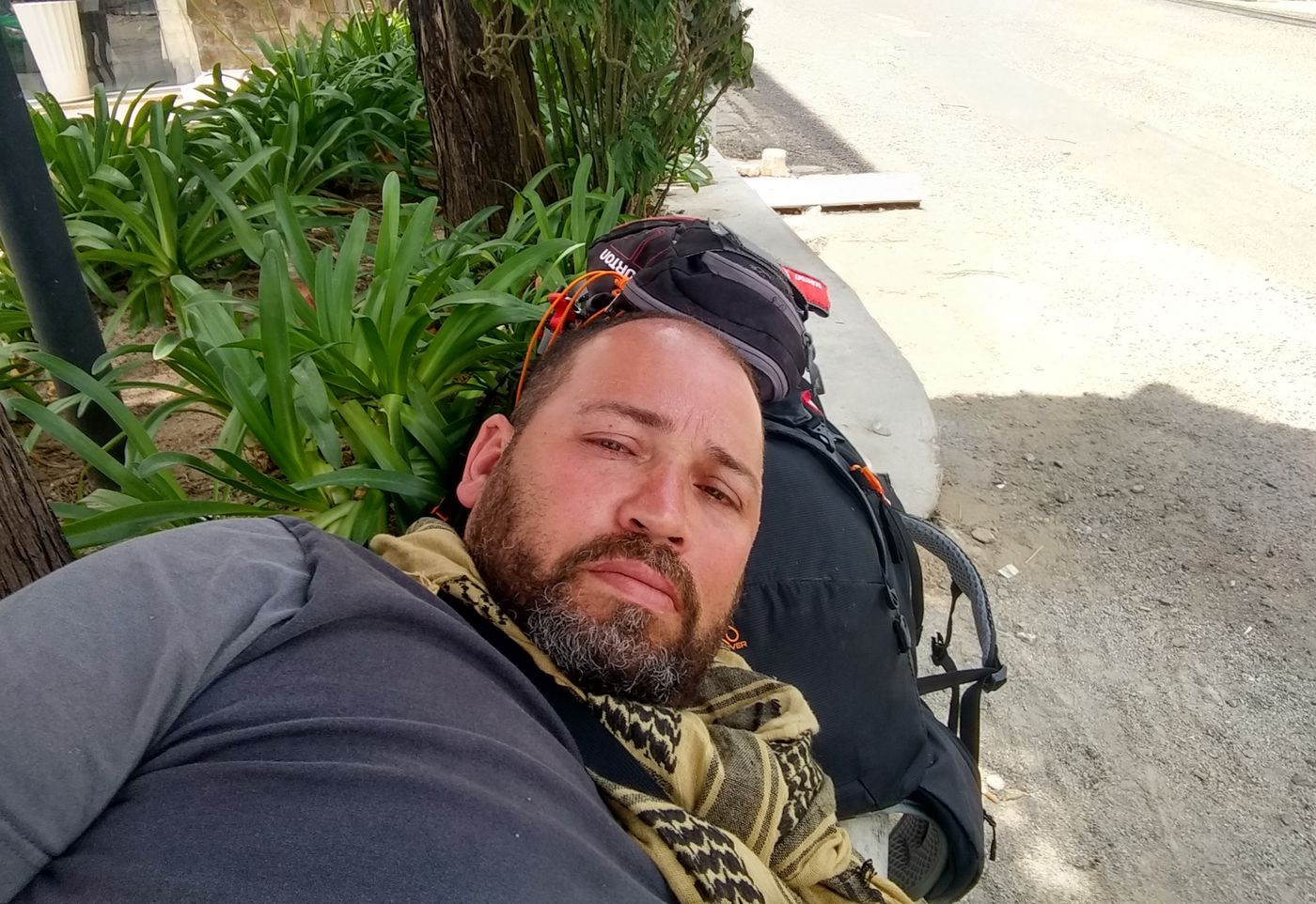
There's a traveller's creed: "The fewer expectations, the bigger the adventure." And that's exactly what holds true for looser trips. If a meticulously mapped-out itinerary doesn't appeal and you'd rather let chance lead the way, you're probably a "spontaneist". This kind of travel often brings surprisingly profound experiences, friendships and moments of discovery off the tourist trail.
- Freedom to decide on the spot.
- Authentic experiences off the tourist trail.
- The chance to respond to fresh tips and your mood.
- Personal growth through adapting to new situations.
What's more, you can respond to what's happening right now: if someone recommends a festival, a local market or a deserted beach, you can simply change direction. Sometimes all it takes is walking one street further from the bus station and you find yourself in a completely different world.
Take a look, for example, at the article 'French Guiana: where the jungle whispers in French', where one plan after another fell through – and yet it was a brilliant trip full of experiences.
TIP: Leave yourself at least 1–2 nights without a booking – perhaps just at the start or end of the trip. You'll learn to trust both yourself and chance. And if it doesn't work out? Then you have a backup plan.
The risks and limits of spontaneity:
Spontaneous travel isn't for everyone. It requires adaptability, a certain amount of experience and a sense of perspective. Expect to come up against these from time to time:
- Higher costs – last minute tends to be pricier.
- Unavailable services and accommodation.
- Stress from uncertainty if you don't have a plan B. Well, this one depends on the person 🙂
- Visas and bureaucracy – sometimes they require specific bookings.
Without at least minimal preparation, it can be hard going. And more expensive, too. Last-minute flights and hotels are rarely kind to your budget. That's why it pays to have a "crisis plan", or at least an all-in-one app for finding accommodation and connections.
TIP: If you're heading off on a longer trip without a plan, make yourself an 'escape map' – key cities, airports, contacts and prices. It'll help you get back on course when things get complicated.
So – to plan or not to plan?
Experience suggests that the best travel combines both. Plan the skeleton: arrivals, transfers, the first nights. But keep the freedom to react. The loveliest moments usually come where no itinerary could ever have predicted them.
For example, plan roughly 60 % of the trip's basic framework. Leave the rest open. That gives you both security and room for intuition.
And in the end?
Travel isn't only about where you go, but about how you choose to get there. Careful planning brings security and savings, while openness to the unexpected lets you live moments no itinerary could ever dream up.
Try planning a framework and then let yourself go with the flow. And if something goes wrong? That's part of the journey too. It's often in those very moments that the stories you'll remember forever are born.
What next?
- Browse my travel guides – you'll find inspiration for planning and not planning alike –
- Take a look at the Advice and Inspiration section, where you'll find practical advice for all kinds of travellers.
- Or dive into the reflections on travel scattered around the site, if you're interested in the philosophy of free-spirited travel as well as trips with an itinerary.
And what about you? Do you plan, or let fate decide?