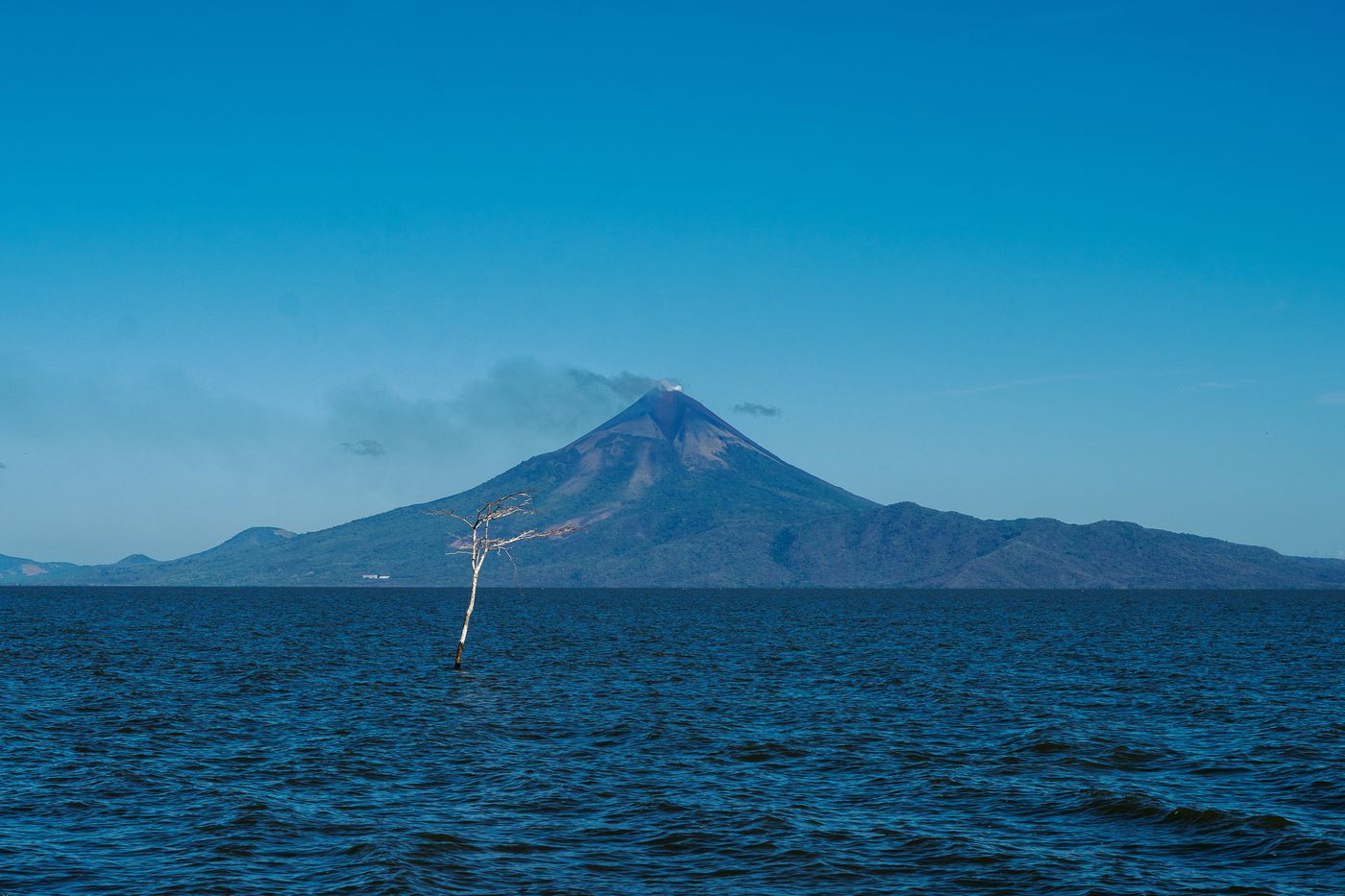
Overview
WHEN TO GO
Ideally during the dry season, from November to April, when the weather is at its most stable. From May to October the rains pick up; they turn the landscape a beautiful green, but they can occasionally complicate getting around and slow your travels down.
HOW LONG?
A short week-long visit will give you a basic picture, but if you can – and I recommend it – treat yourself to a whole month. Nicaragua is best discovered by travelling slowly between volcanoes, towns, jungle and ocean. And coffee, cigars and rum.
DAILY BUDGET
Your daily budget varies a lot depending on your travel style, but generally reckon on roughly 20–40 USD a day travelling on the cheap and 50–100 USD if you want a bit more comfort. Nicaragua is fairly cheap, but transport and excursions can quickly push your budget up.
VISAS
Visas for Nicaragua are simple – on arrival or at the border you pay a 10 USD entry fee and usually get permission to stay for 90 days. The period also applies to the whole region (the so-called CA-4), so those 90 days are shared between Nicaragua, Honduras, El Salvador and Guatemala.
GETTING TO NICARAGUA
The easiest option is to fly to Managua with a connection in the USA (or sometimes in Europe/Panama). Overland, you can easily arrive from Costa Rica, Honduras or El Salvador. A handy hack is to fly to Liberia in Costa Rica and then cross into Nicaragua overland – it often works out cheaper and more flexible.
GETTING AROUND NICARAGUA
You can get around Nicaragua by pretty much any means. The cheapest are the local 'chicken buses', which go almost everywhere, but expect a slower pace and more adventure. A more comfortable option is shared colectivos, or a car for greater flexibility. Some places can only be reached by boat.
The Journey, or When Nicaragua Is the Destination
- By air: It's worth saying up front that Nicaragua is definitely not one of the easiest destinations to reach from Europe. The most common option is a flight to Managua with a connection, either via the USA (typically with United Airlines) or via Panama with Copa Airlines (Panama is easy to reach from Europe). Bear in mind, though, that it's a long journey, often with lengthy layovers. A clever alternative is to fly to Liberia in Costa Rica and then cross into Nicaragua overland. That often works out cheaper and more flexible.
- Overland: From Costa Rica, most people cross at Peñas Blancas, or at less-used crossings such as San Carlos or Los Chiles (often with an onward boat). In the north, routes run via Honduras, with the main crossings at El Guasaule and Las Manos. Alternatively, you can come from El Salvador – not by road, but by boat across the Gulf of Fonseca between La Unión and Potosí. Services aren't entirely regular, but it's a more adventurous and lesser-known way to get into Nicaragua.
- Visas: Visas for Nicaragua are simple. On entry you just pay for a tourist card (approx. 10 USD) and usually get permission to stay for 90 days. But there's a catch! This period applies to the whole CA-4 region, so you share those 90 days with Honduras, El Salvador and Guatemala. Watch out for that.
- When: The best time to head to Nicaragua is from November to April, when the dry season arrives and travelling is easiest. The Pacific side is sunny and hot at that time, ideal for volcanoes and surf beaches. The Caribbean, however, marches to its own rhythm – wilder, more humid and a little unpredictable all year round. In the interior and the mountains the climate is more pleasant, while the jungle stays green, heavy and humid practically all the time. From May to October the rains come, beautifully transforming the country but also slowing travel and often scrambling plans.
It's Nicaragua all around, so…
- Language: The official language is Spanish. In larger towns and tourist areas you can sometimes get by in English, but outside them expect practically only Spanish. On the Caribbean coast, Creole English is also spoken.
- Currency: Nicaragua keeps this simple. The official currency is the Nicaraguan córdoba (NIO), but US dollars are widely accepted, especially in tourist areas. You can often pay in dollars or withdraw them straight from a cash machine.
- Credit cards and cash machines: Nicaragua is largely a cash economy. You can pay by card in larger hotels, restaurants or supermarkets, but not elsewhere. Cash machines are found in bigger towns (Managua, León, Granada); outside them there are far fewer – it's always good to carry cash, ideally in smaller notes.
- Plugs: Plugs are types A and B (the same as in the USA). The standard voltage is 120 V and the frequency 60 Hz.
- Mobile services and data: Signal and data work well in towns and tourist areas, but outside them (especially in the mountains, the jungle or on the Caribbean coast) coverage is weak or non-existent. The main operators are Claro and Tigo. You can easily buy a prepaid SIM card in towns and at the airport, but as elsewhere it tends to be pricier at the airport.
Transport
The only minor transport 'hell' in Nicaragua is that you drive slowly practically everywhere, often at around 50 km/h. So you have to prepare yourself for genuine slow travel, where distance doesn't equal time and everything takes a little longer.
- Car: Hiring a car makes a lot of sense if you want freedom. The main routes between cities such as Managua, León and Granada are in very good condition. Smaller roads are often in surprisingly good shape too, frequently surfaced with interlocking paving instead of tarmac. That makes a car often the most efficient way to get around and also the best way to reach more remote places. In the mountains and truly remote areas, however, the surface can turn to dust or mud, especially after rain. Otherwise driving is fine – just expect a slower pace and the occasional bit of chaos.
- Chicken buses & colectivos The cheapest and most authentic way to travel. Old American school buses go almost everywhere, but they're slow, packed and have no fixed timetable. Colectivos, i.e. minivans, are a bit faster and more comfortable, but it's still more about patience than comfort.
- Boat Some places can only be reached by water. Typically Ometepe island, with the ferry from San Jorge, or the more remote areas in the south-east. The trip from San Carlos to El Castillo and on towards San Juan del Norte is one of the slower experiences, but all the more powerful for it.
- Hitchhiking Hitchhiking works surprisingly well, especially away from the main routes. Communication is key, though – you'll hardly manage without basic Spanish. Locals are open and often stop, but everything hinges on talking things through and your ability to make yourself understood.
Accommodation, Food and Prices in General
Nicaragua is cheaper than you might expect, but it's certainly not dirt cheap. It's still one of the more affordable countries in Central America; it's just that prices in tourist areas can sometimes surprise you. A lot depends on your travel style – budget travel works easily here, but as soon as you start treating yourself to more comfort, your budget grows fast.
Accommodation, Food and Vibe
- Accommodation: is simple but mostly clean and functional. The backpacker scene works well here (especially León, Granada, Ometepe and San Juan del Sur), but once you leave the main routes, standards drop quickly – and that's actually part of the experience. Outside these areas the choice is still surprisingly wide; you just need to look a bit. In the jungle the rules change completely and you often end up in a hammock with a mosquito net, which is more of an experience than a comfort.
- Food: is simple and filling. The classic is gallo pinto (rice and beans – breakfast, lunch and dinner), fried plantains or plantain chips, fried cheese, with chicken or beef on the side. No great gastronomy, but it does the job. You'll eat best at small local 'comedores' or at markets. By the sea, around Lake Nicaragua and in the Río San Juan area, fish often appears, and it's among the better things the local cuisine has to offer.
Top Places
Nicaragua isn't about one 'must-see' place but a whole mosaic of experiences. Every corner of the country offers something different, from active volcanoes and colonial towns to forgotten buildings in the middle of the jungle. And in Nica, more than elsewhere, the most interesting moments often come off-plan, somewhere in between.
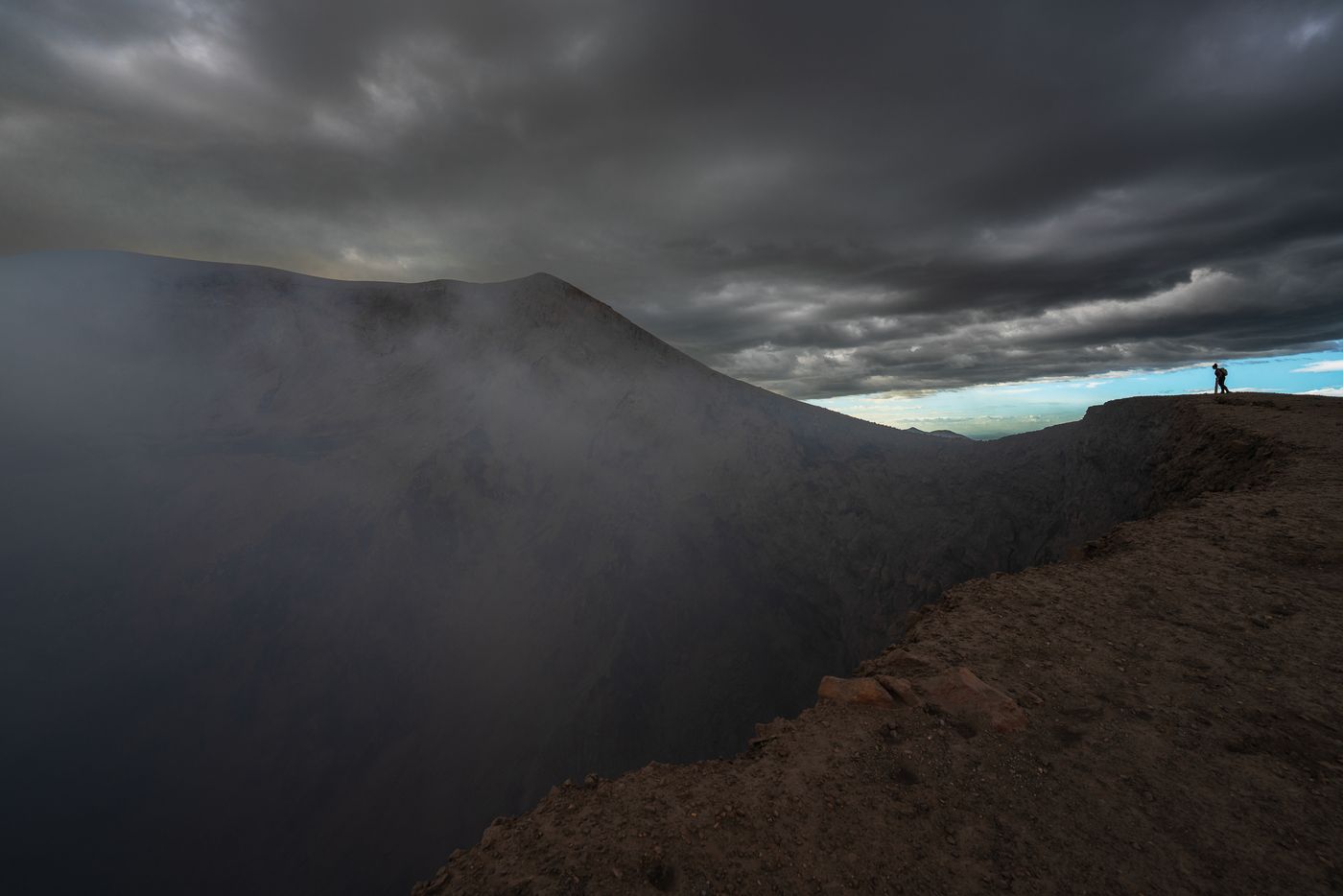
01
Telica Volcano
One of the most active volcanoes in the country, where you can get right to the crater's edge and literally hear it breathing. Spending the night up there is a powerful experience. Wind, silence with a rumbling undertone, and the feeling that you're very far from everything.
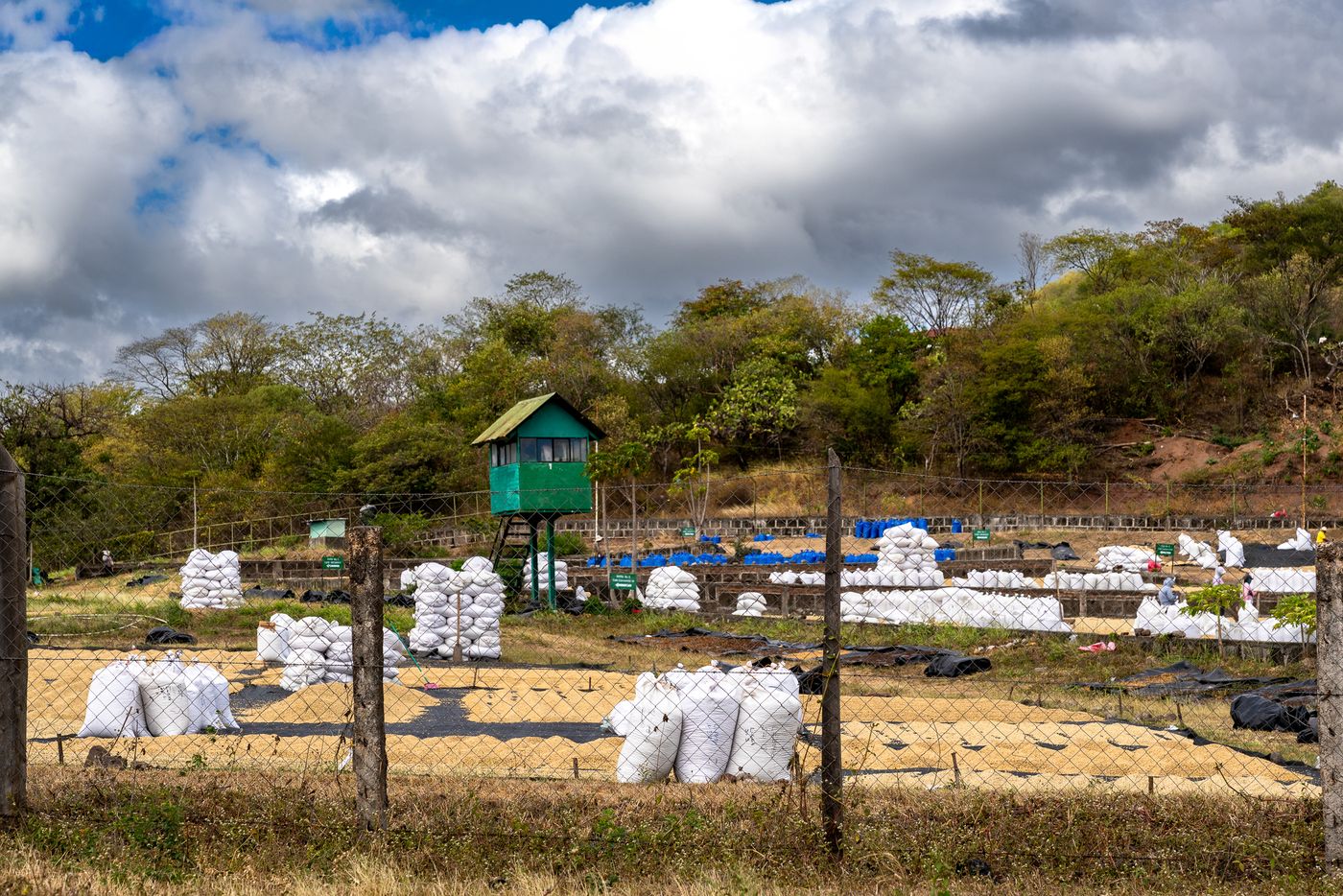
02
Matagalpa
Green mountains and coffee plantations give this region a completely different atmosphere from the rest of the country. It's a place for slowing down, for mist, rain and long conversations over strong coffee.
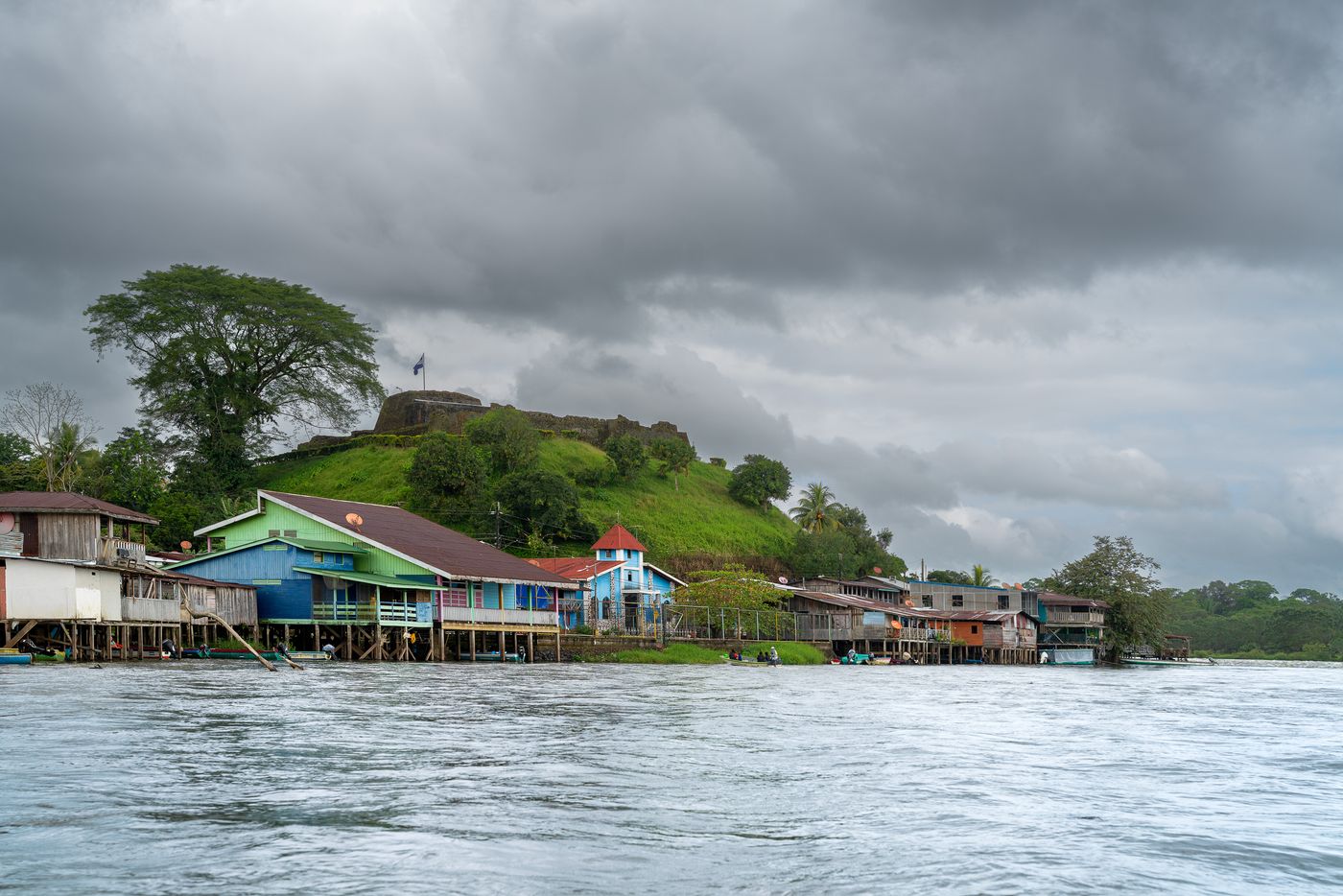
03
Río San Juan
A river that sets the pace of everything around it. The trip between San Carlos and El Castillo is a journey back in time, where things happen slowly and without haste.
04
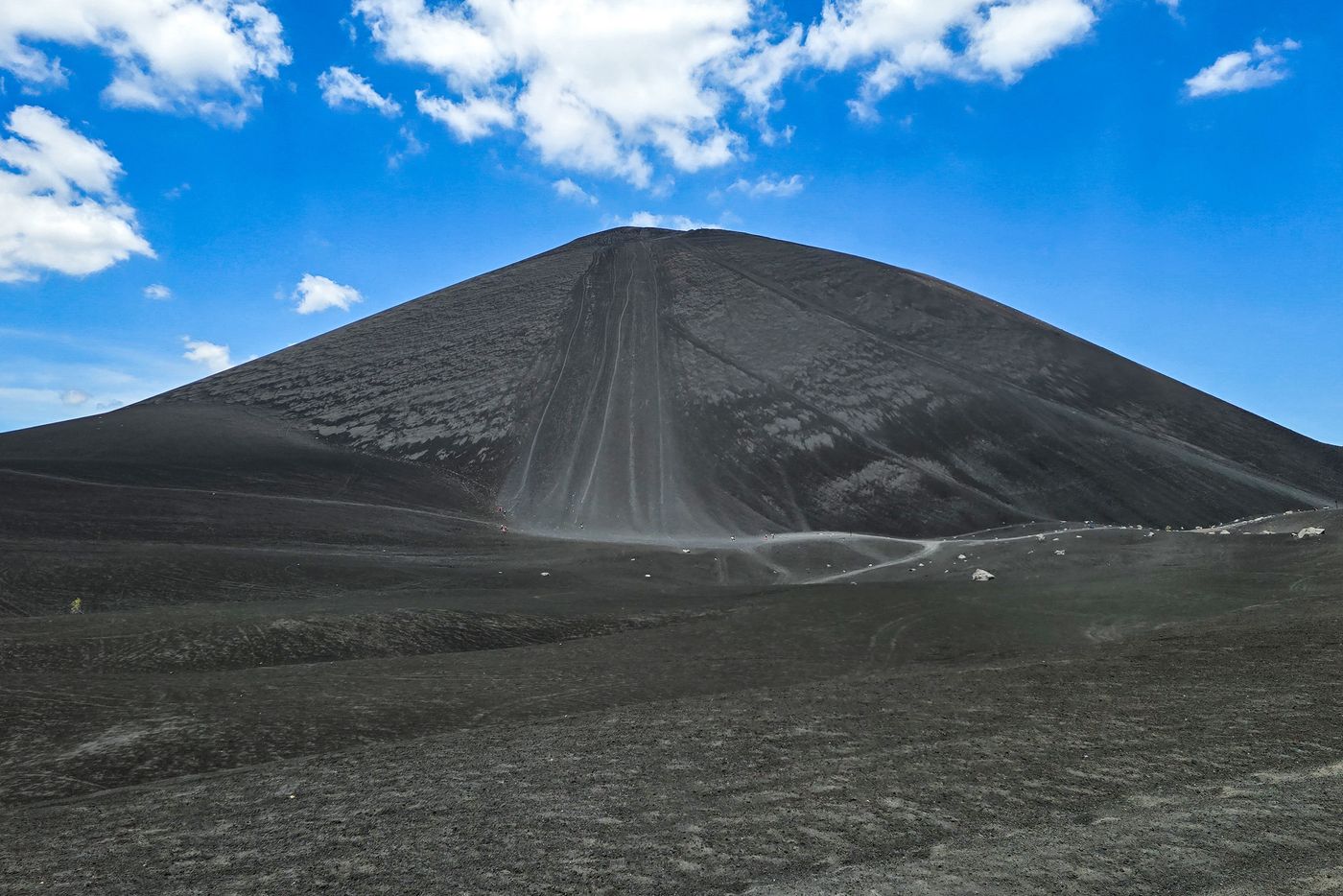
Volcano boarding
Riding down an active volcano on a board sounds like a crazy idea. And that's exactly what it is. Dust, speed and laughter you can't really control.
05
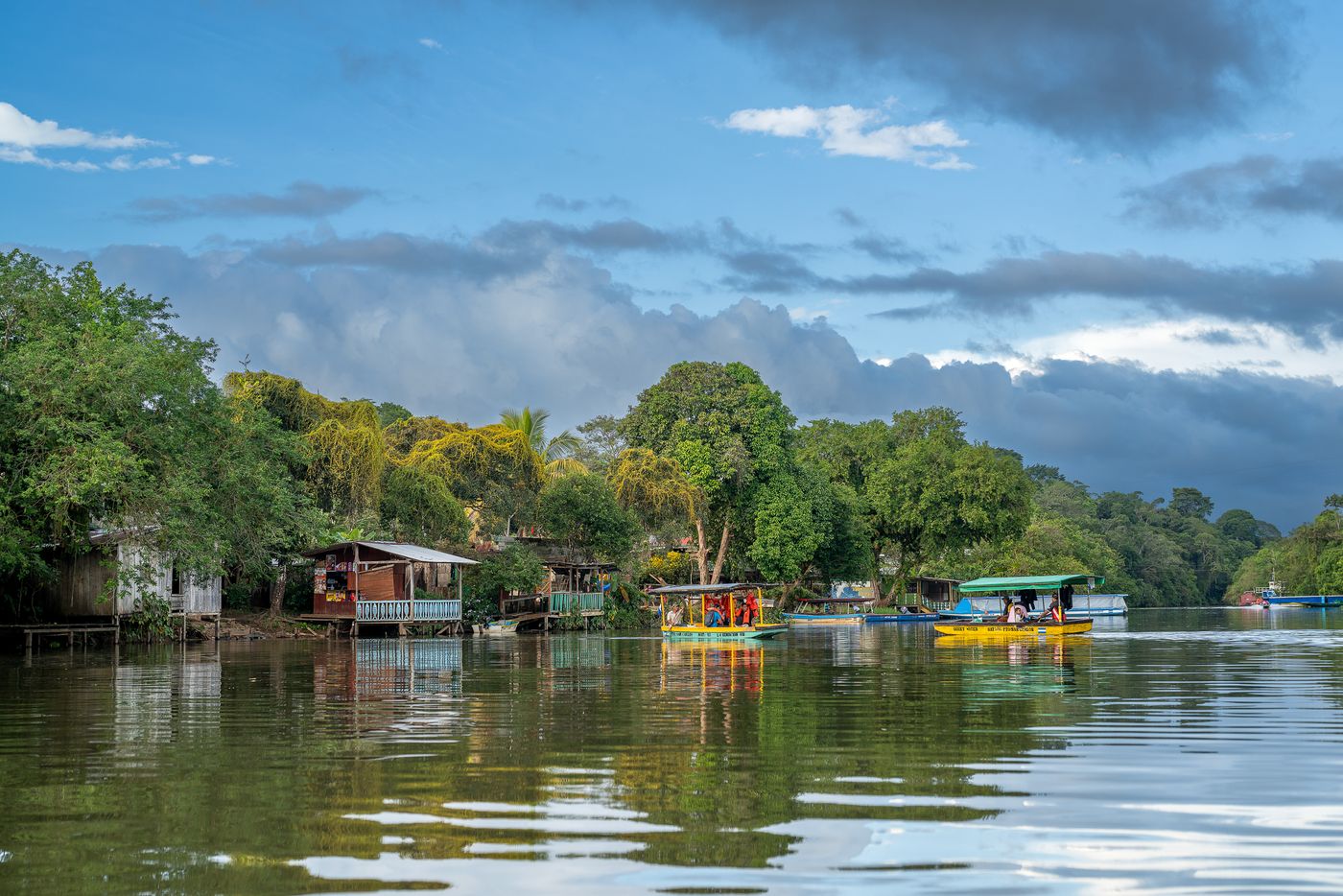
Canta Gallo
A mysterious place on the very edge of the map, where the roads end and another world begins. The area, linked to the Rama community, has a strange, hard-to-describe atmosphere that stays with you.
06
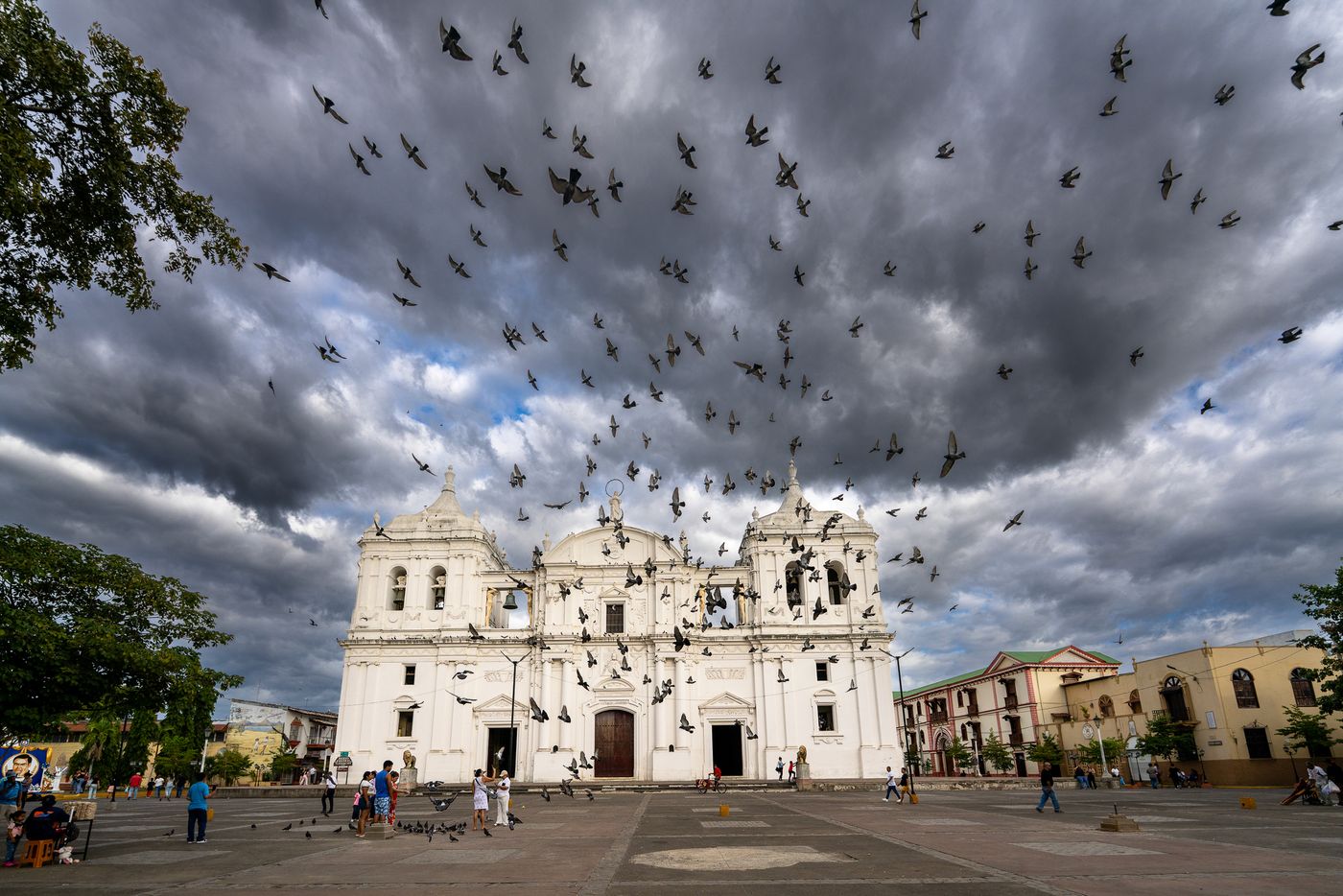
León
Grittier, livelier and more 'real' than the rest of Nicaragua. Colonial architecture, revolutionary history and an energy that either grabs you or doesn't at all.

07
Granada
Colourful, calmer and more polished than León. Ideal for a first introduction to the country – colonial houses, cafés and a slower pace.
08
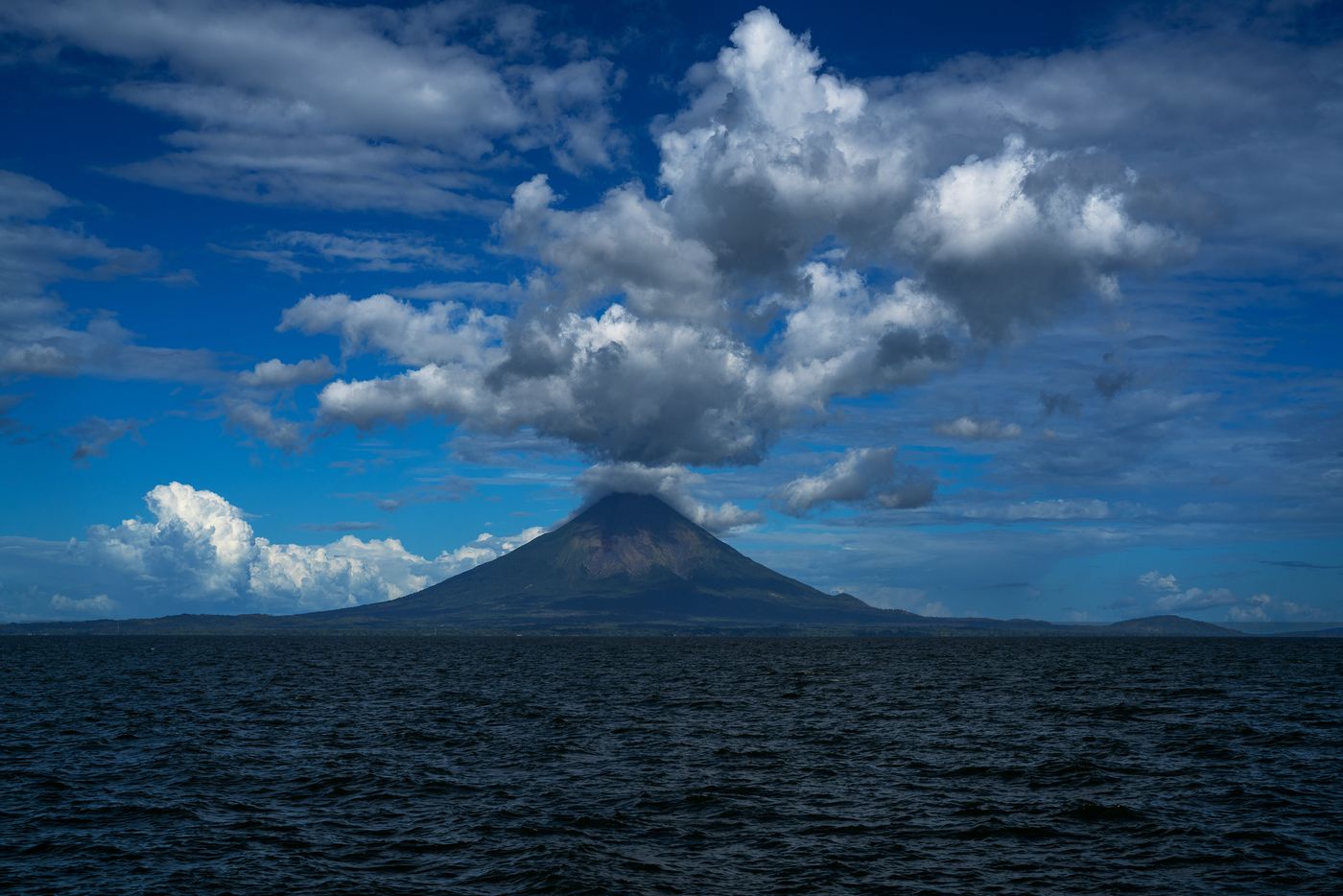
Ometepe
An island in the middle of a lake formed by two volcanoes. A place where you can easily lose yourself for a few days among rainforest, views and the slow rhythm of life.
09
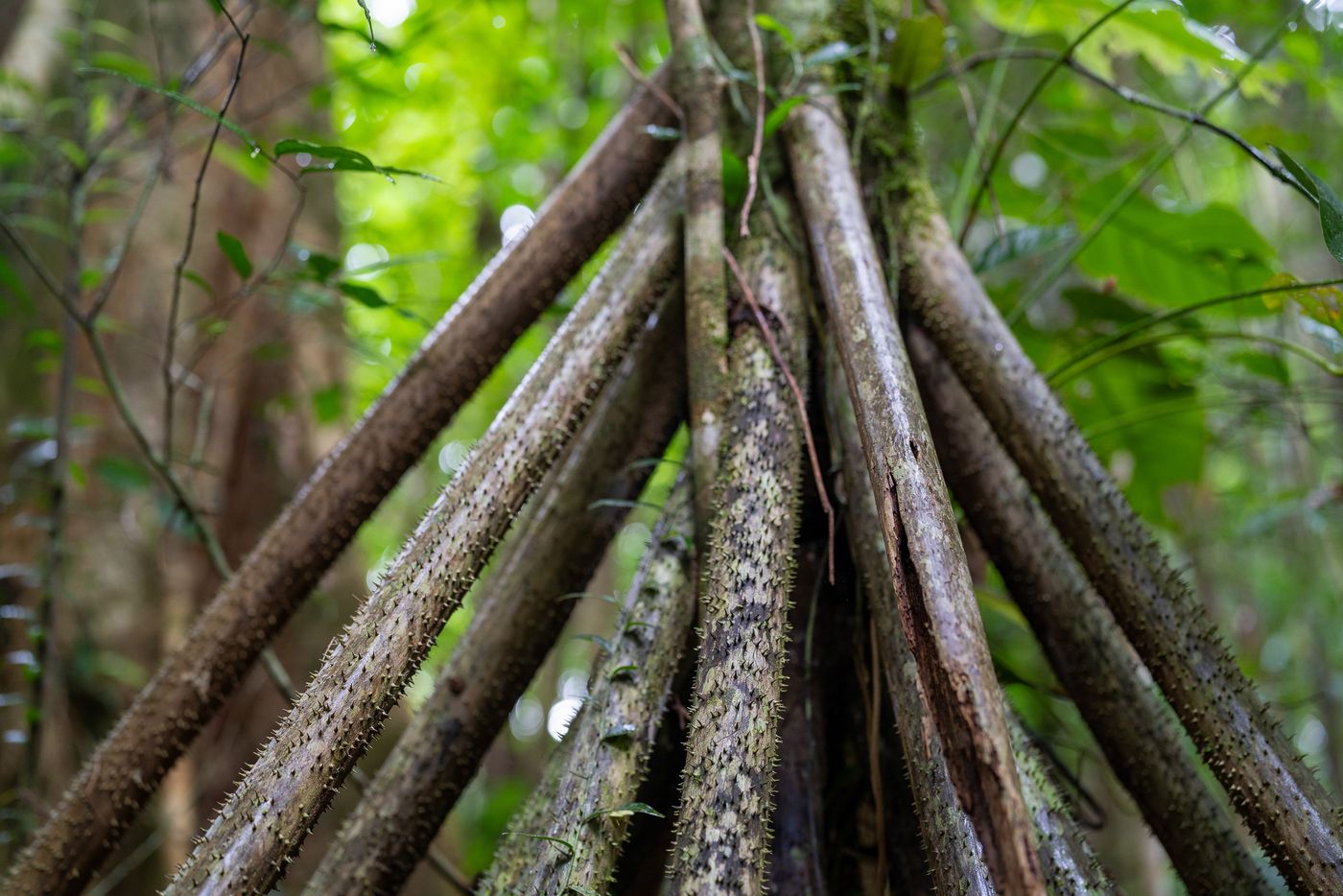
Indio Maíz
One of Nicaragua's wildest areas, where the jungle really starts to be jungle. Silence, humidity and the feeling that you're a guest in something much bigger.
10
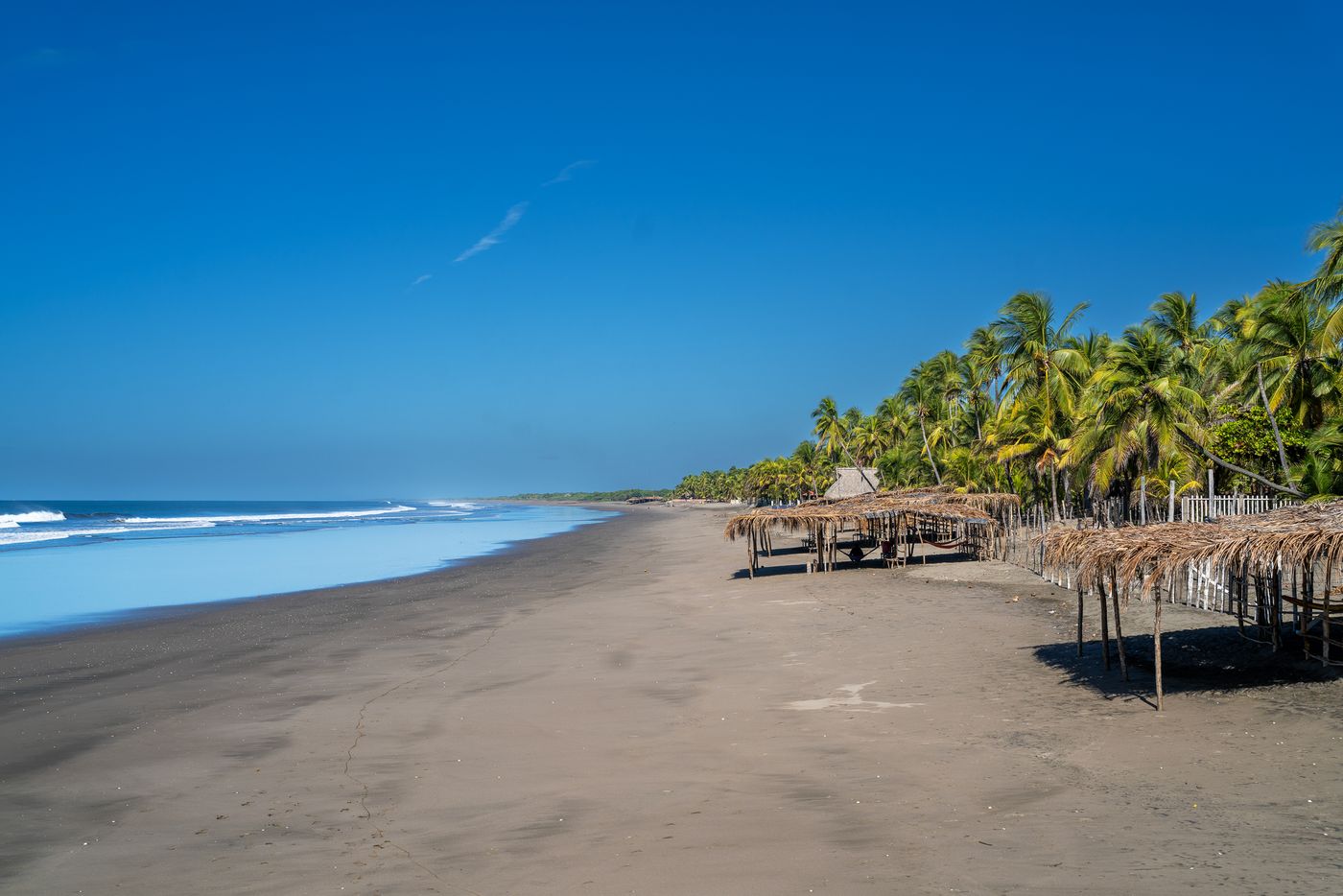
Jiquilillo
A forgotten beach in the north where not much happens. And that's precisely its charm. A long, empty coastline, wind and the feeling that you're completely off the beaten track.
And then there are three things that deserve a chapter of their own:
- Rum Rum is everywhere in Nica and it's good (though not as great as in Panama). The best known, and available practically everywhere, is Flor de Caña. Rum is often drunk as a Coco Loco – a mix of rum, coconut water and sometimes the flesh, often served right in the coconut (the final ratio is about 1:1). And bizarrely, it's 'normal for rum to be sold in 1.5-litre plastic bottles.
- Coffee Nicaragua produces superb coffee, especially in areas such as Matagalpa and Jinotega. Seriously superb – I personally got pretty hooked on it 🙂
- Cigars Nicaragua is one of the world's biggest cigar producers and the quality is genuinely high. Areas such as Estelí are renowned for production, and if you're even slightly interested, it's worth visiting a local factory or a small family workshop. Cigars here are much cheaper than in Europe and often far more authentic. Not a souvenir, but a real craft.