
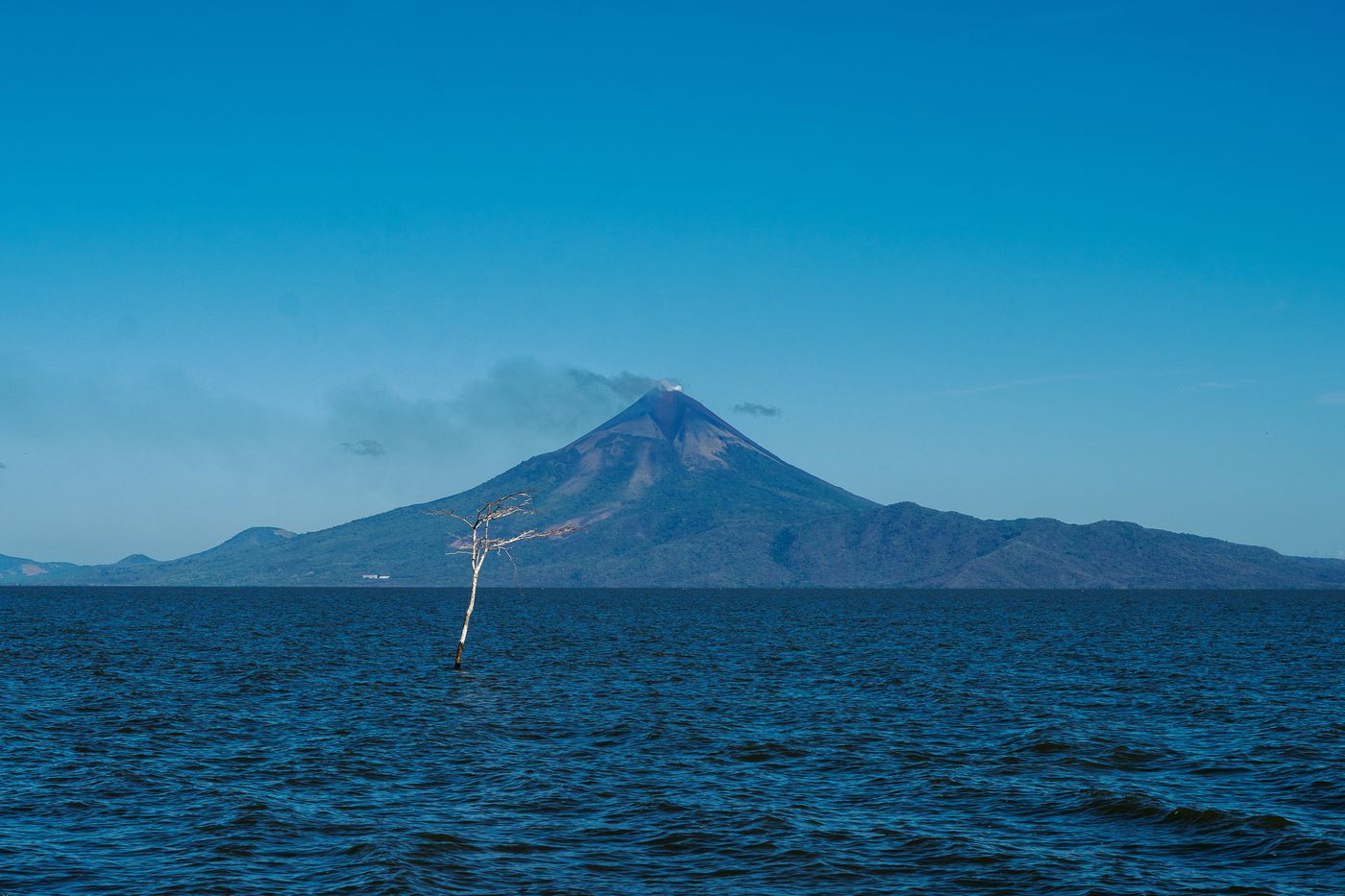
How much time for Nicaragua
Allow two weeks for the main route. With three weeks you can add the San Juan River or the coast near Cosigüina. For both together, reckon on roughly four weeks.
In two weeks you can manage the main route: Granada, Ometepe, León with its volcanoes and the mountainous north. With three weeks you can add one of two extensions: the San Juan River with its rainforest, or the deserted coast in the north. For both together, reckon on roughly four weeks.
Travel in Nicaragua is slow, often around 50 km/h. Distance doesn't equal time here, and a single transfer can easily take a whole day. Over-plan it and you'll mostly see bus windows.
Language
Spanish, hardly anything else outside the cities
Capital
Managua
Currency
Córdoba (NIO), dollars accepted almost everywhere
Payments
Mostly cash, ATMs only in larger towns
Visas
Tourist card around 10 USD, 90 days shared with Honduras, El Salvador and Guatemala
Climate
Tropical, dry from November to April
Sockets
Type A and B, 120 V (as in the USA)
Mobile
Claro and Tigo, weak signal outside towns
Main route
Granada with Masaya, Ometepe, León with its volcanoes and the mountains around Matagalpa. 9–13 days in total; leave the rest for transfers and a buffer.
The regions are listed by how essential they are in Nicaragua. How to link them together is covered below in How to put the route together.
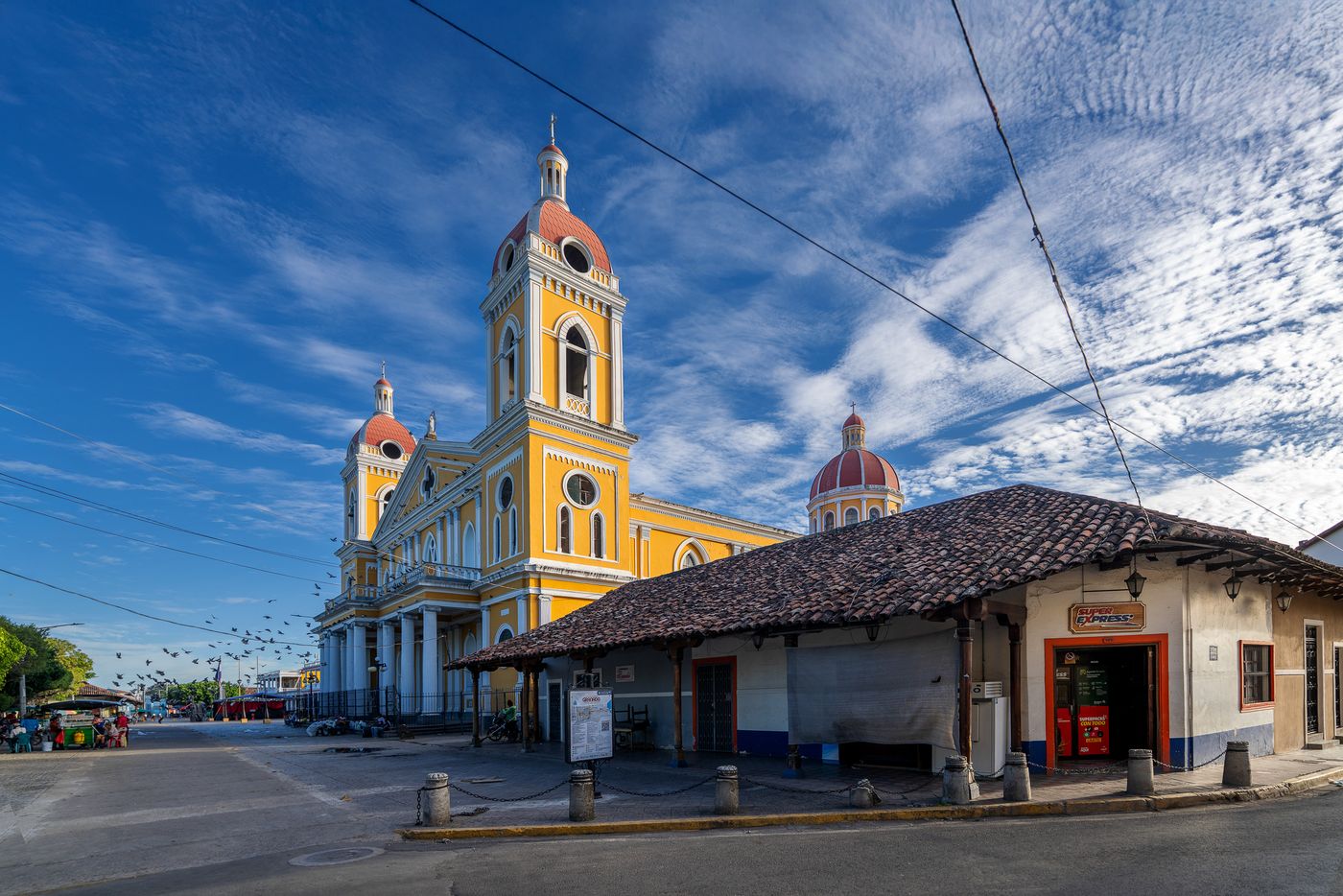
1. Granada and Masaya
2–3 daysThe prettiest colonial city, markets, the view from the bell tower of La Merced church and a boat trip among the Isletas. Then in the evening the Masaya volcano, where you can see glowing lava at the bottom of the crater.
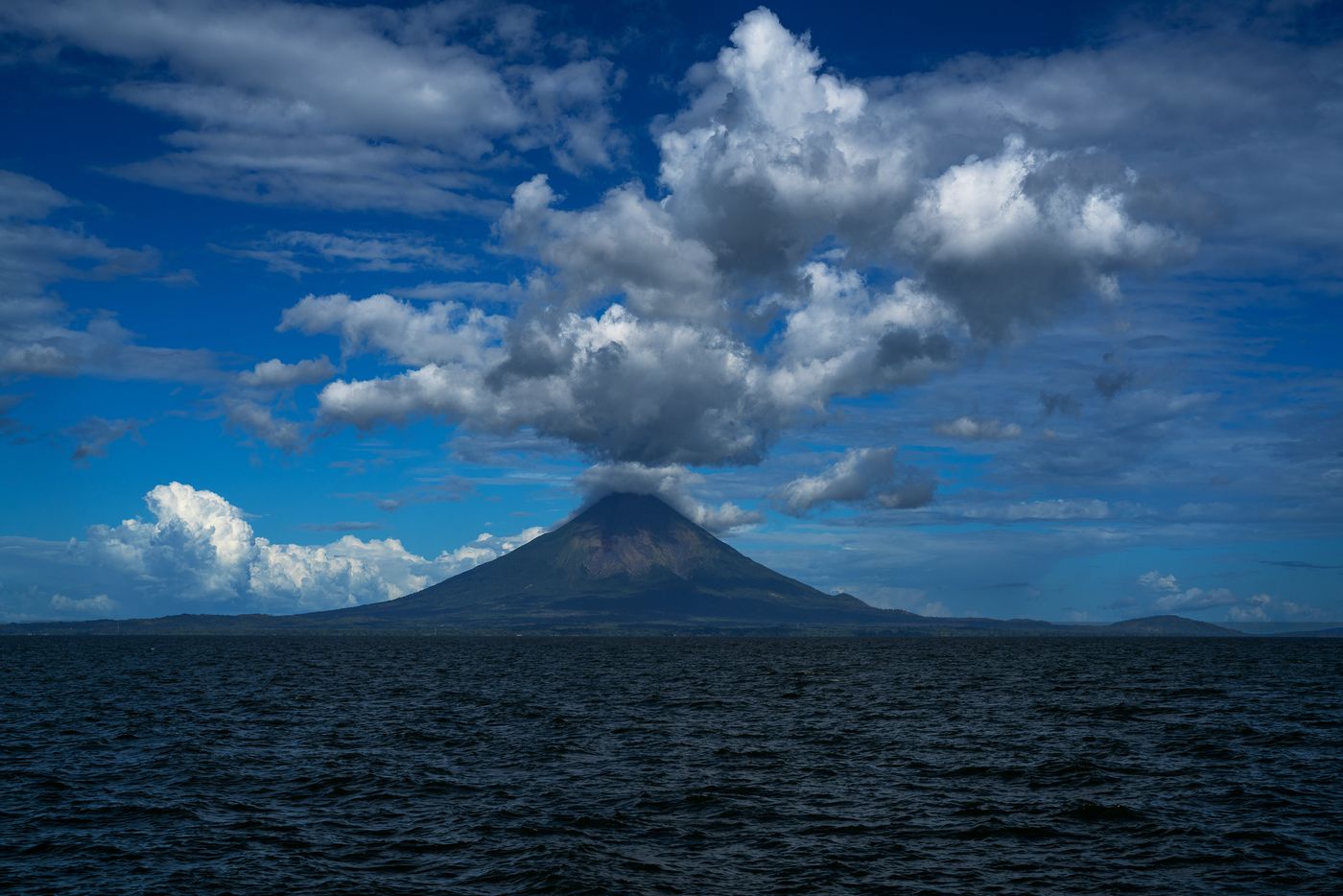
2. Ometepe
2–3 daysAn island of two volcanoes in Lake Nicaragua. The climb up Concepción, the San Ramón waterfall, ox carts and sunsets over the lake. Watch the weather: I climbed Concepción in thick fog, so it's worth building a spare day into your plan.
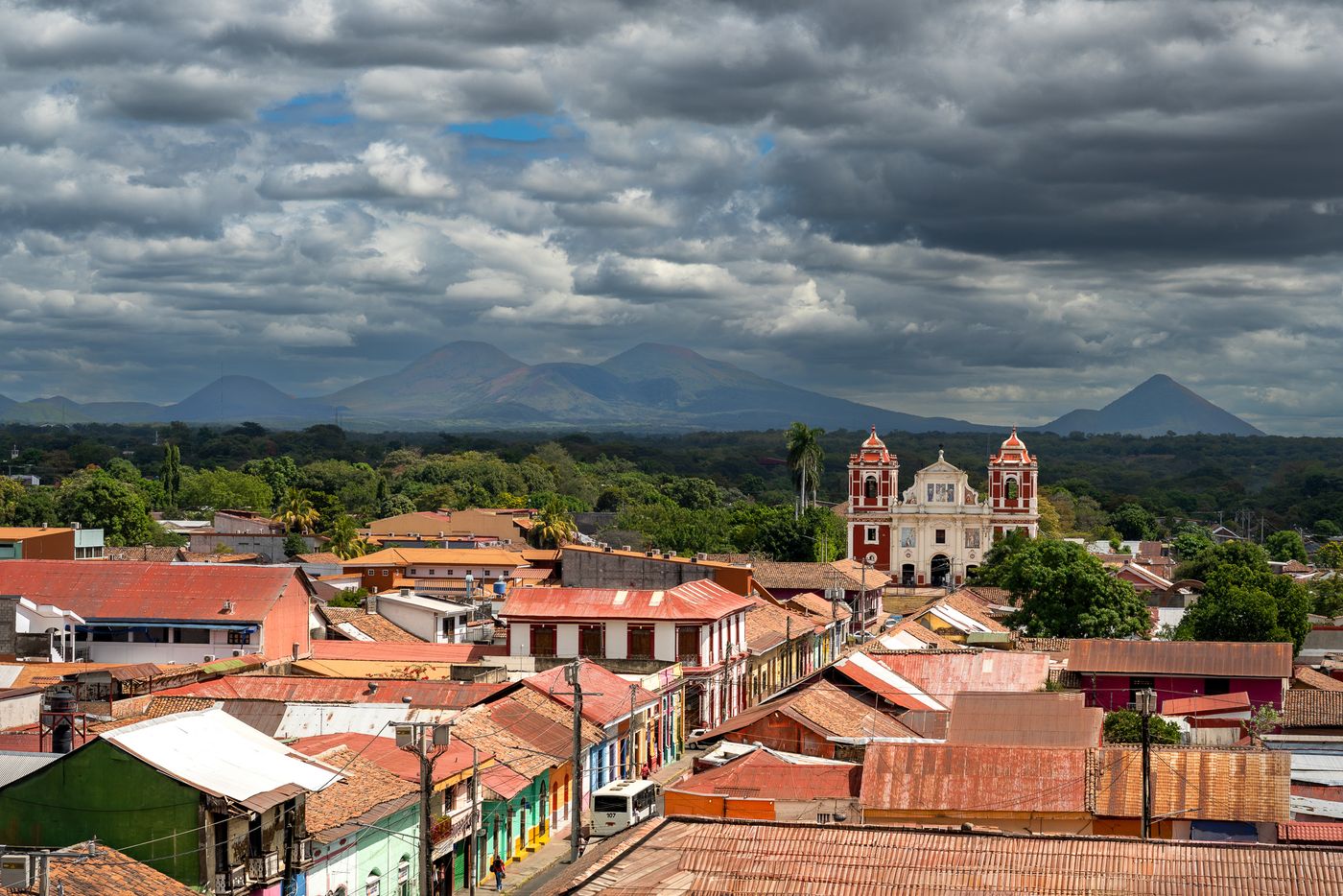
3. León and the Maribios volcanoes
3–4 daysRawer and livelier than Granada, with the largest cathedral in Central America, whose roof you walk barefoot. All around, a chain of volcanoes: sunset on the rim of the Telica crater, boarding down the black gravel of Cerro Negro and, for the fit, a full-day climb up San Cristóbal, the country's highest volcano.
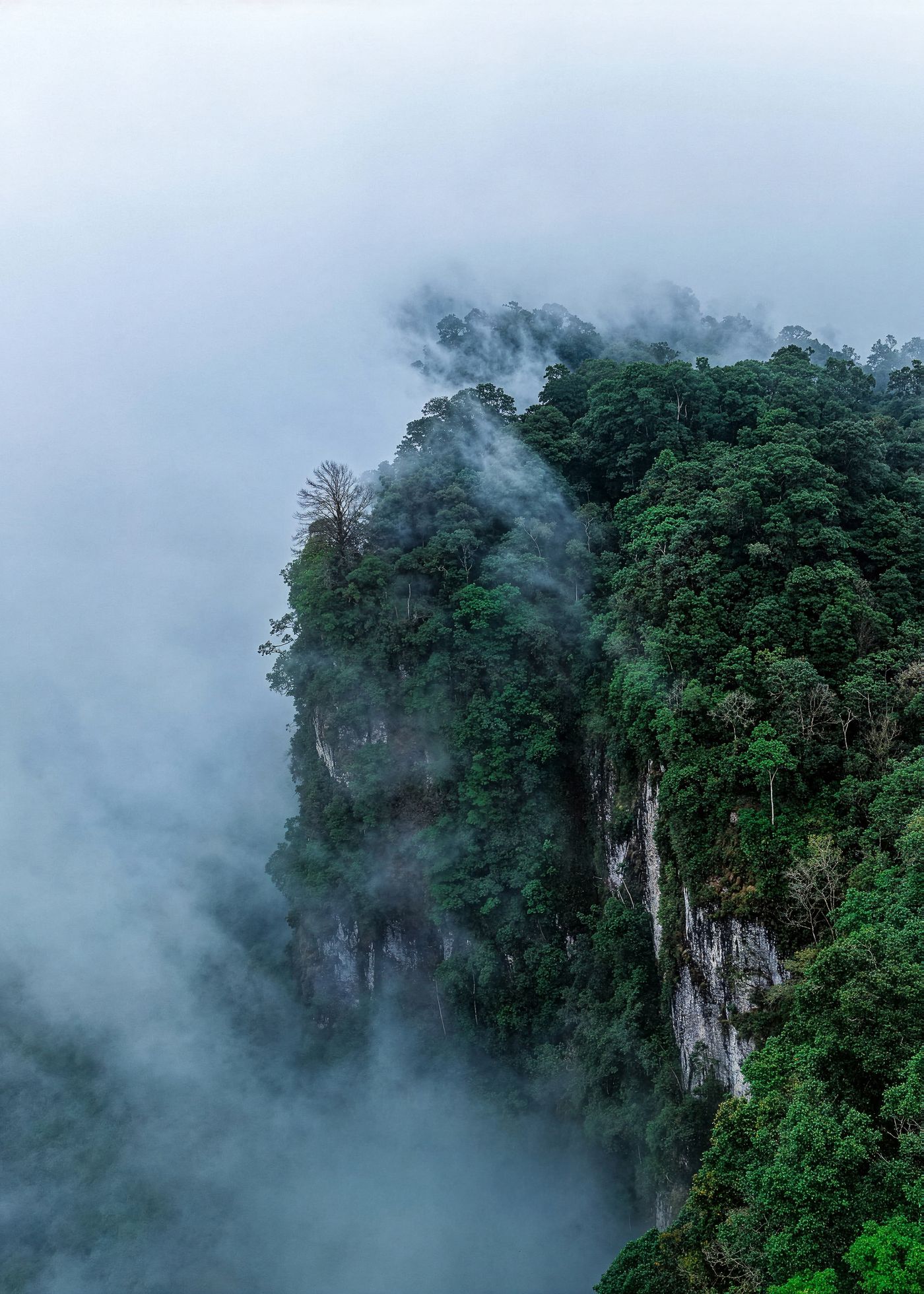
4. The north: Matagalpa and Peñas Blancas
2–3 daysA completely different Nicaragua: cooler mountains, mist, coffee plantations and waterfalls. Hardly any tourists. If you like coffee and cigars, that's a good reason to head on to Estelí too.
Extensions: pick one
The San Juan River with the Indio Maíz rainforest (6–7 days), or the deserted coast with the Cosigüina volcano (3–4 days). Both are beautiful and both are logistically demanding.
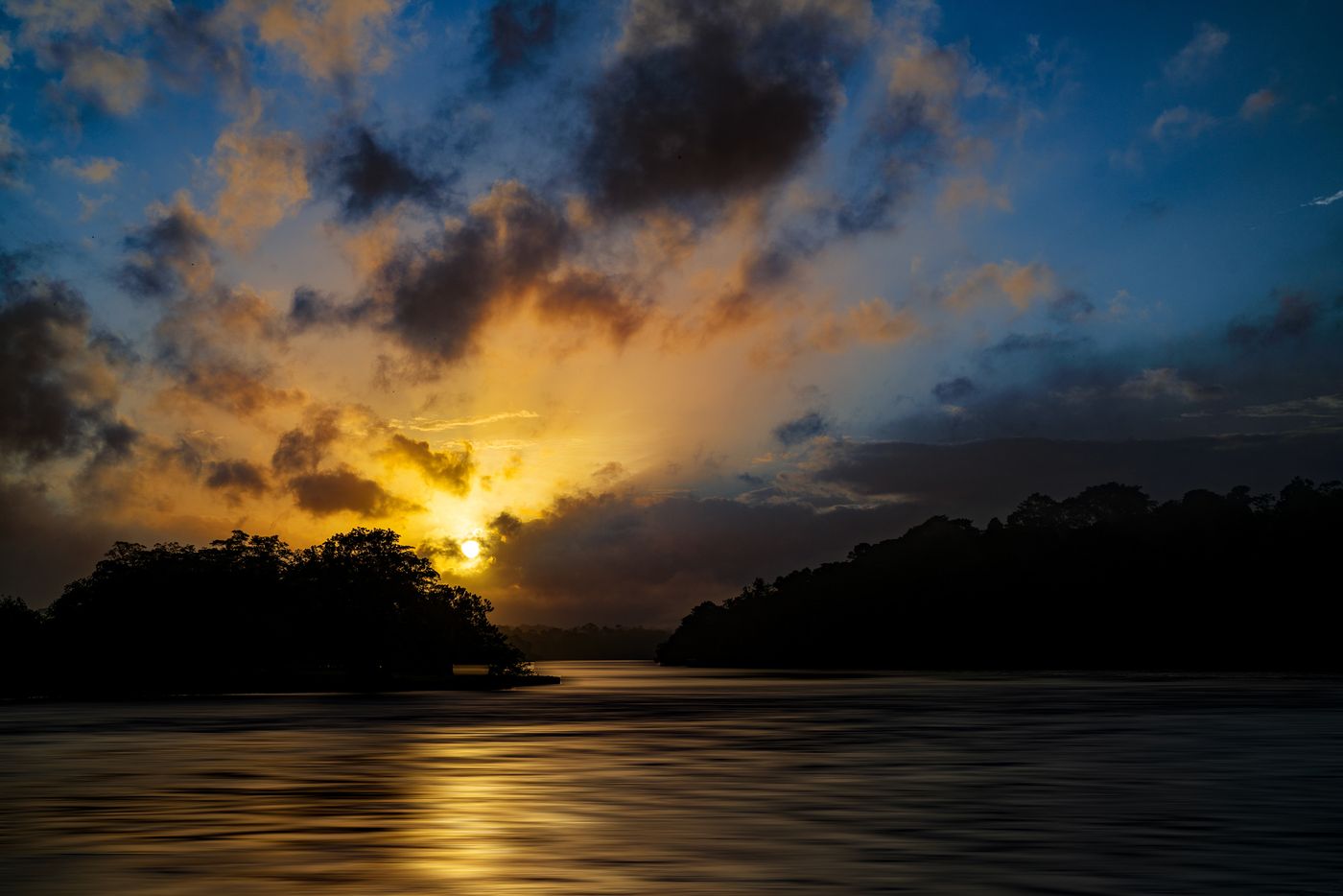
The San Juan River and the Indio Maíz rainforest
6–7 daysThe most powerful and logistically the most demanding part of Nicaragua. By boat down the river to El Castillo, without a single road, and on from there into the rainforest. If you have the time and the nerve, you can continue all the way to mysterious Canta Gallo. Bear in mind that just getting to San Carlos and back takes two days, and only then does the river begin. This can't be improvised at the last minute: the boats don't run every day, everything takes longer, and the rest of the route has to be fitted around them.
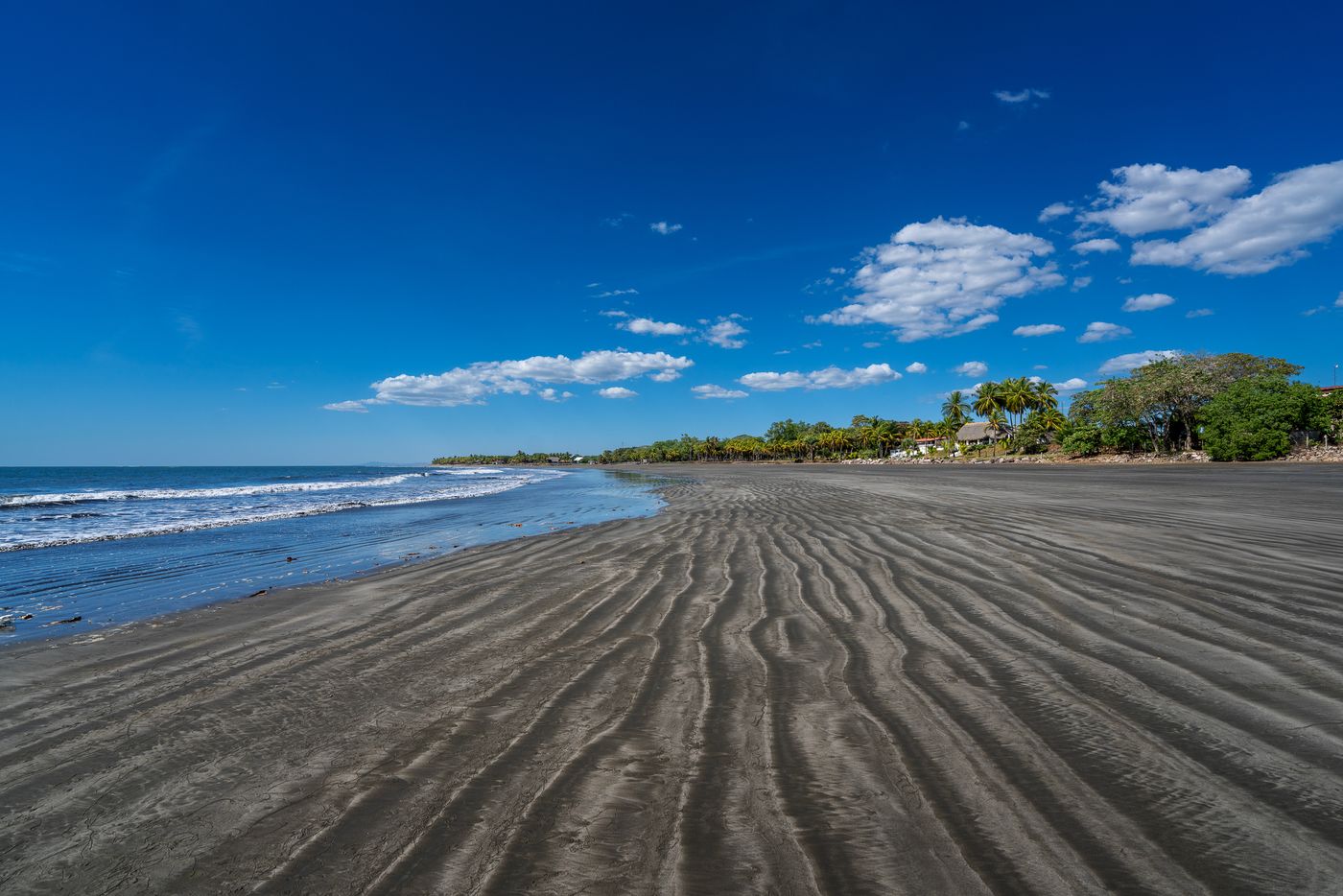
The coast and the Cosigüina volcano
3–4 daysThe deserted north, with the black beaches of Los Zorros, the Padre Ramos mangroves and the Cosigüina volcano above the Gulf of Fonseca. It fits well after the volcanoes around León, as that's the closest starting point. It just isn't as close as it looks on the map: the return trip takes two days and you need a permit for the volcano. The reward is a place almost nobody gets to.
How to put the route together
Fly into Costa Rica and cross overland. Start with the San Juan River, carry on north into the mountains, then head back to Costa Rica via León, Granada and Ometepe.
If you do fly into Managua, you can do the main route as a loop from there. The coast near Cosigüina lies in the north beyond León, so it's best reached as a detour from the volcanoes.
- If you're heading to the San Juan, build your route around the boats, not the other way round.
- Climb the volcanoes when it's clear, and keep at least a day in reserve.
A car gives you the most freedom and gets you to remote places too. Chicken buses and colectivos are cheap and an experience in themselves, but expect transfers to take longer. If you want freedom without a car, you can rent a motorbike or hitchhike. Ometepe and the San Juan River can only be reached by boat.
When to go
In the dry season, from November to April. It's the ideal time for the volcanoes, but even so, keep a spare day in case of cloud.
Best in the dry season from November to April. The Pacific side is sunny and hot, ideal for volcanoes. From May to October it rains: the country is greener, but travel slows down and plans often change. The rainforest along the San Juan River is humid all year round.
What would have helped me
Planning more loosely. I had my route mapped out tightly and Nicaragua laughed at it. All it takes is one boat that doesn't run or a volcano in the clouds, and the whole plan shifts. Today I'd leave more breathing room between regions.
Allowing for the real accessibility of lesser-known volcanoes. On the map, Cosigüina looks a stone's throw from León. In reality, the return trip took me two days, and another half-day went on sorting out a permit from MARENA, Nicaragua's environment ministry. Remote places are beautiful precisely because they're so hard to reach.
Having the Río San Juan logistics sorted in advance. I only dealt with the boats once I was in San Carlos. I was lucky: one was leaving in three hours and still had space. But I could easily have got stuck in San Carlos overnight, and with such a tight plan I'd have been a day short all the way down the line.
FAQ
How many days do I need for Nicaragua?
At least two weeks for the main route (Granada, Ometepe, León with its volcanoes and the north). Three weeks with the San Juan River or the northern coast. For both together, reckon on roughly four weeks.
Is it better to rent a car or take buses?
A car gives the most freedom and the main roads are in good condition. Just don't be fooled by the map: you drive at around 50 km/h, so even by car it isn't quick. Buses are cheap and authentic, just even slower. Another option is renting a motorbike or hitchhiking, which works surprisingly well here if you speak Spanish. Ometepe and the San Juan are reached by boat anyway.
Can Nicaragua be combined with Costa Rica?
Yes, and it's often the better choice. Flying to Costa Rica (Liberia or San José) and crossing overland tends to be cheaper and more comfortable than flying into Managua, and the south is also the easiest way to reach the San Juan River. Just brace yourself for a shock: after Nicaragua, Costa Rican prices are a nightmare.
When to go for the volcanoes?
In the dry season from November to April, when the Pacific side is clear. Set off early in the morning, before the summits disappear into cloud, and keep at least a day in reserve. Even so, I climbed Concepción in thick fog.
How do you get to the San Juan River and the Indio Maíz rainforest?
Either from Managua via San Carlos, which takes two days just there and back, or more easily from the south, straight from Costa Rica. Beyond that it's boat only, and the boats don't run every day. Allow roughly a week and plan the rest of the route around the boats. I sort out specific connections and transfers in a tailor-made itinerary.
What to skip in Nicaragua?
For me, Managua: it's dirty and chaotic, and there's no point spending more time there than you have to. And the Corn Islands: more of an overhyped extra with awkward transport. Give the time you save to the volcanoes or the San Juan River instead.
Do I need a visa?
No. Czech citizens can stay in Nicaragua for 90 days without a visa; all you need is a passport valid for at least another 6 months. On entry you pay a 10 USD fee (sometimes included in the air fare) and fill in a form. Note: the 90 days are shared with Honduras, El Salvador and Guatemala, and on entry check how many days the officer has actually given you. Conditions may change; you'll find the current ones on the Ministry of Foreign Affairs website (checked in November 2026).
More practical information (currency, cards, signal, food): Nicaragua: born of fire and coffee, drowned in revolutions


