How much time for Panama
In two weeks you'll cover the backbone: Panama City and the Canal, the mountains of El Valle, the Pacific coast at Santa Catalina with Coiba Island, the coffee mountains around Boquete and the Caribbean islands of Bocas del Toro. With three weeks you can add the waterfalls around Santa Fe, Cascada Kiki and the Caribbean at Portobelo.
You can't do a round trip of Panama. The Panamericana runs across the country and you branch off it to the mountains and the sea. From Bocas del Toro you then have to come back, usually a full day's journey to Panama City, and it's worth planning for that from the start. The itinerary is a rough guide with no slack built in, so if you can, add a day or two.
Language
Spanish, sometimes English in the cities, only Spanish in the countryside
Capital
Panama City
Currency
balboa (PAB), pegged 1:1 to the US dollar, but you mostly pay in dollars
Payments
mainly cash; ATMs in Panama City, fewer and fewer the further you go. Carry small notes
Visas
Czechs need no visa for up to 90 days
Climate
tropical; dry on the Pacific side from mid-December to mid-April, rain all year on the Caribbean side
Sockets
type A and B, 110–120 V (as in the USA)
Mobile
+Móvil and Tigo; buy a SIM in town, not at the airport; often no signal in the mountains, on beaches and in the jungle
Main route (14 days)
The regions follow one another in the order you can drive them, from Panama City west and then north to the Caribbean. Five regions, 13 days, and keep one day for the journey back. How to return (or continue to Costa Rica) is covered below in Putting the route together.
1. Panama City and the Canal
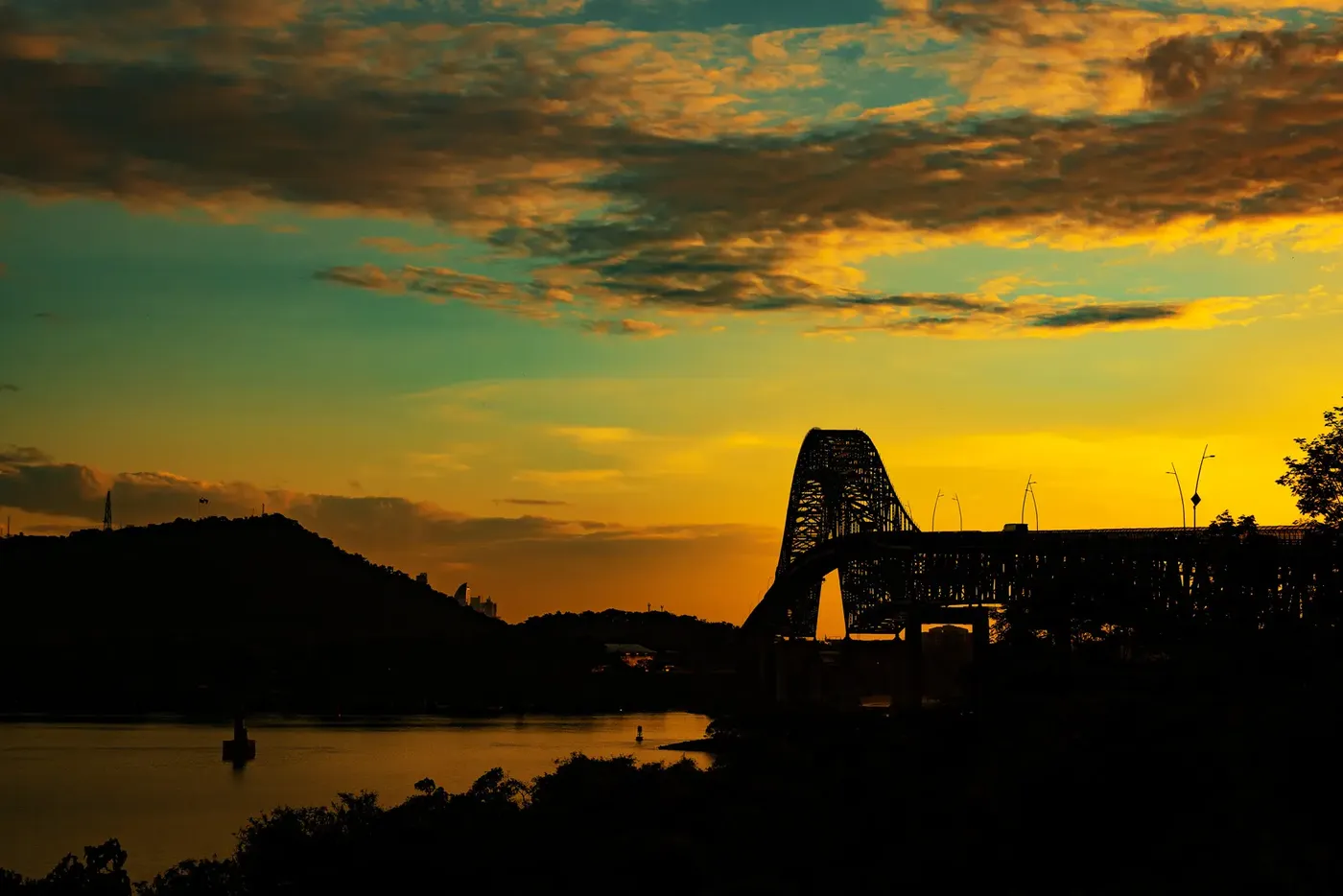
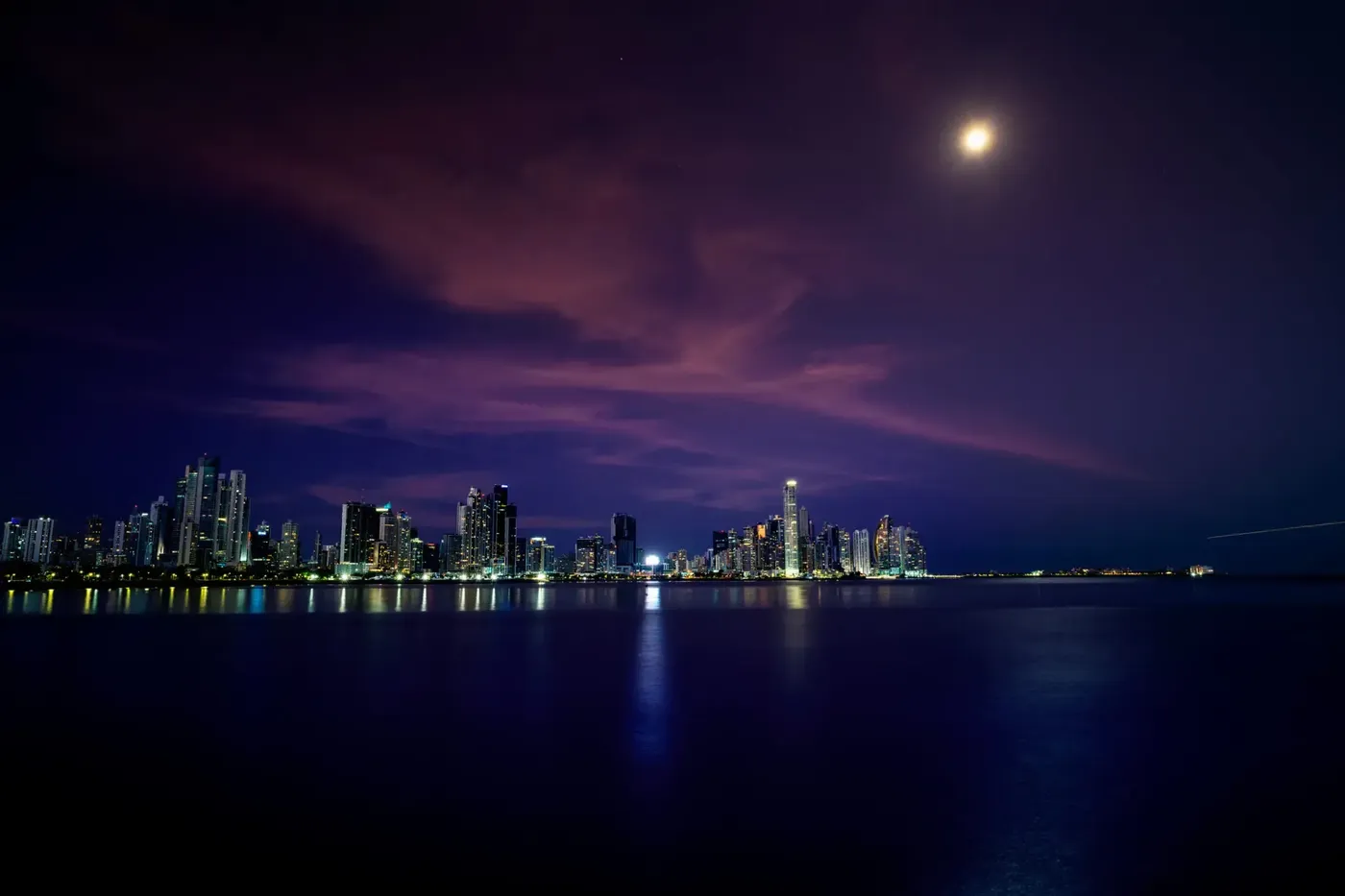
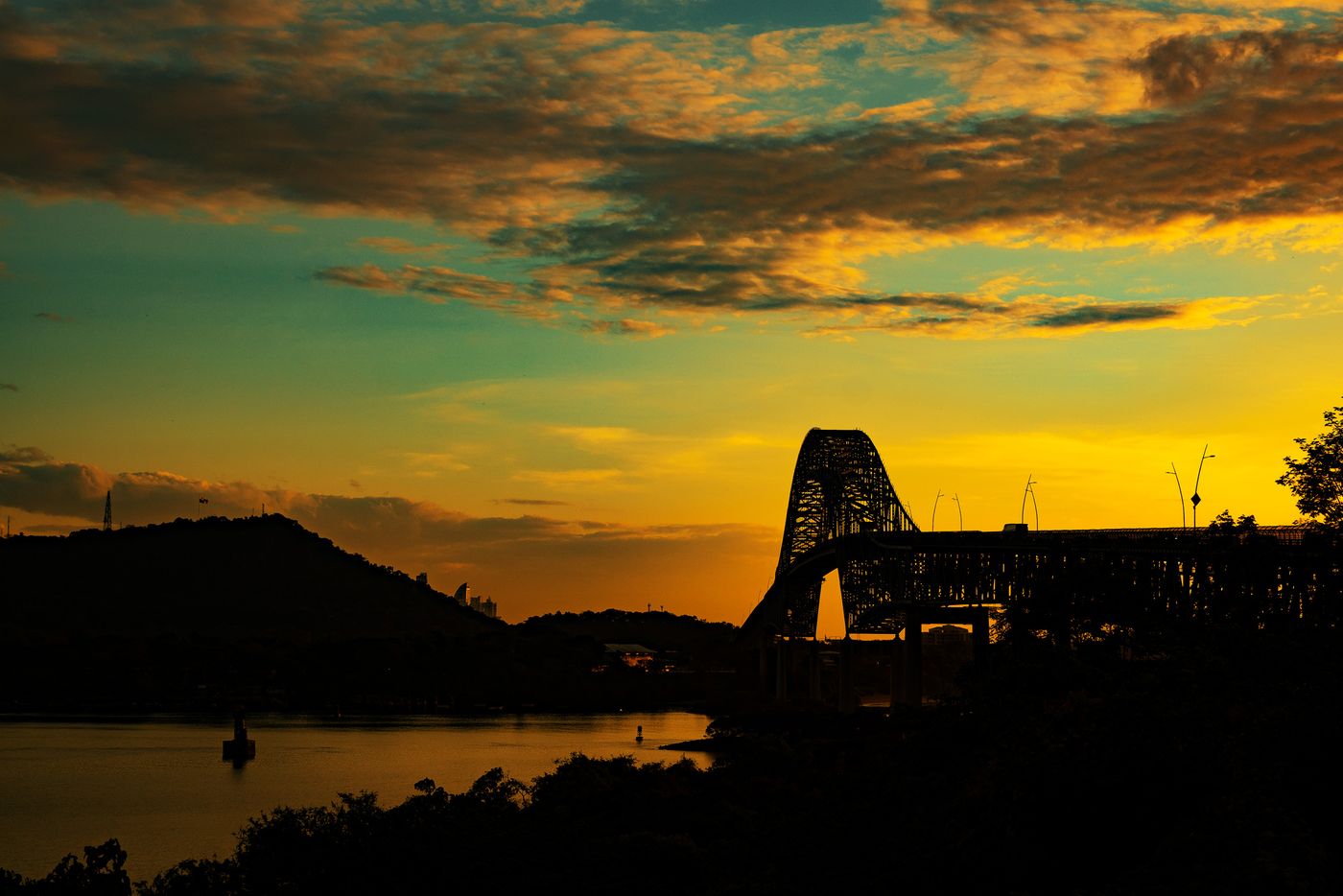
2 daysThe most modern city in Central America, unofficially dubbed the Dubai of Latin America. Skyscrapers, colonial Casco Viejo and the ruins of old Panama, destroyed by the pirate Morgan. And above all, the Canal. Until you stand at its edge, you don't realise how enormous it is. I saw it from three places and each is different: from the Puente de las Américas bridge over the queue of ships at the Pacific entrance, at Gamboa, where you can see how the canal was carved out of the jungle, and on Lake Gatún, where giant ships glide slowly through green landscape.
2. El Valle de Antón
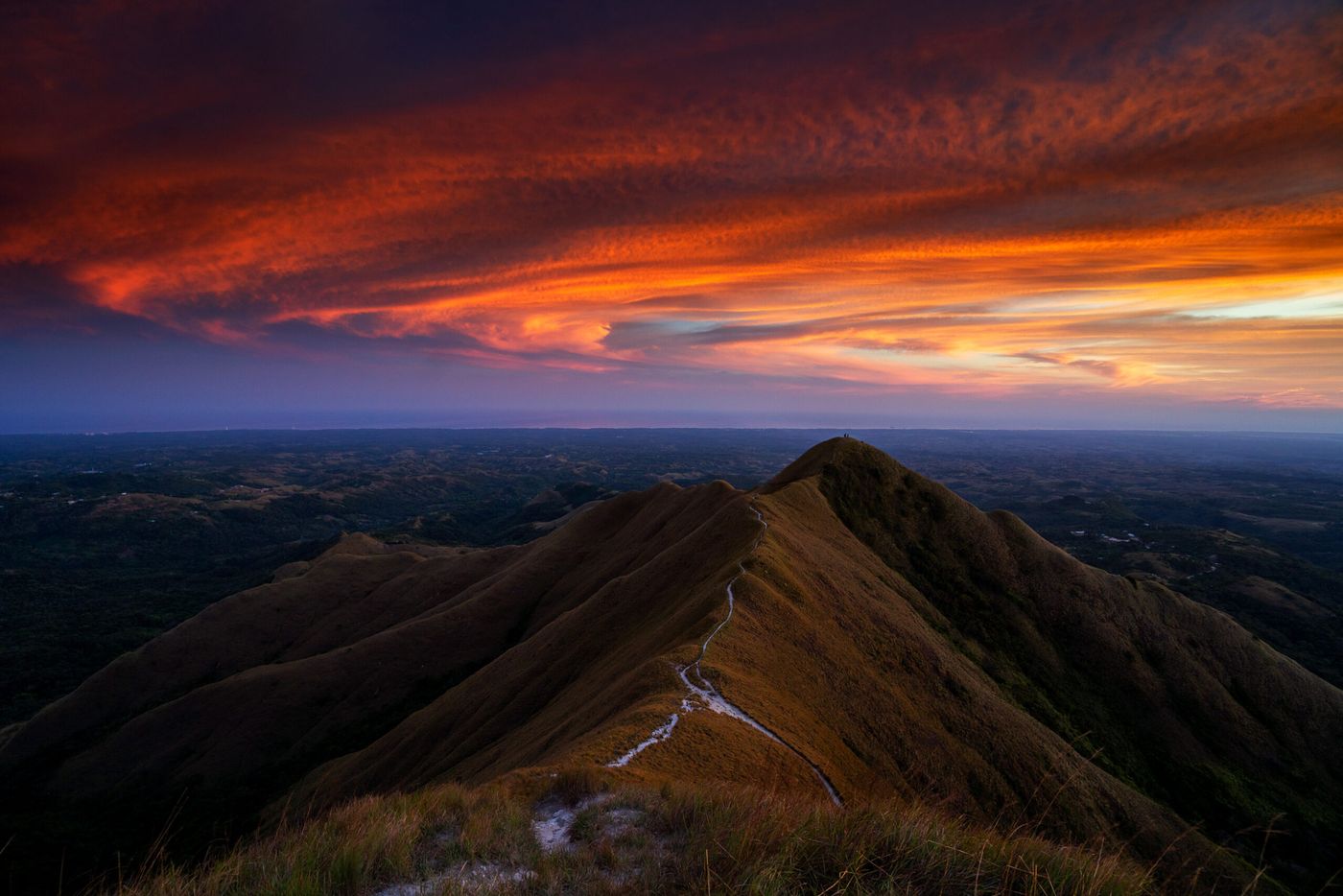
2 daysA village inside an old volcanic caldera, where life is slower and people get around by bike. But mainly it's about the hikes. Cerro La Silla is a short climb with one of the finest sunsets in Panama, while Cerro La Gaita is a steep path through misty cloud forest up above the treetops, with views over the whole valley. Take a torch for La Silla. I didn't.
3. Santa Catalina and Coiba
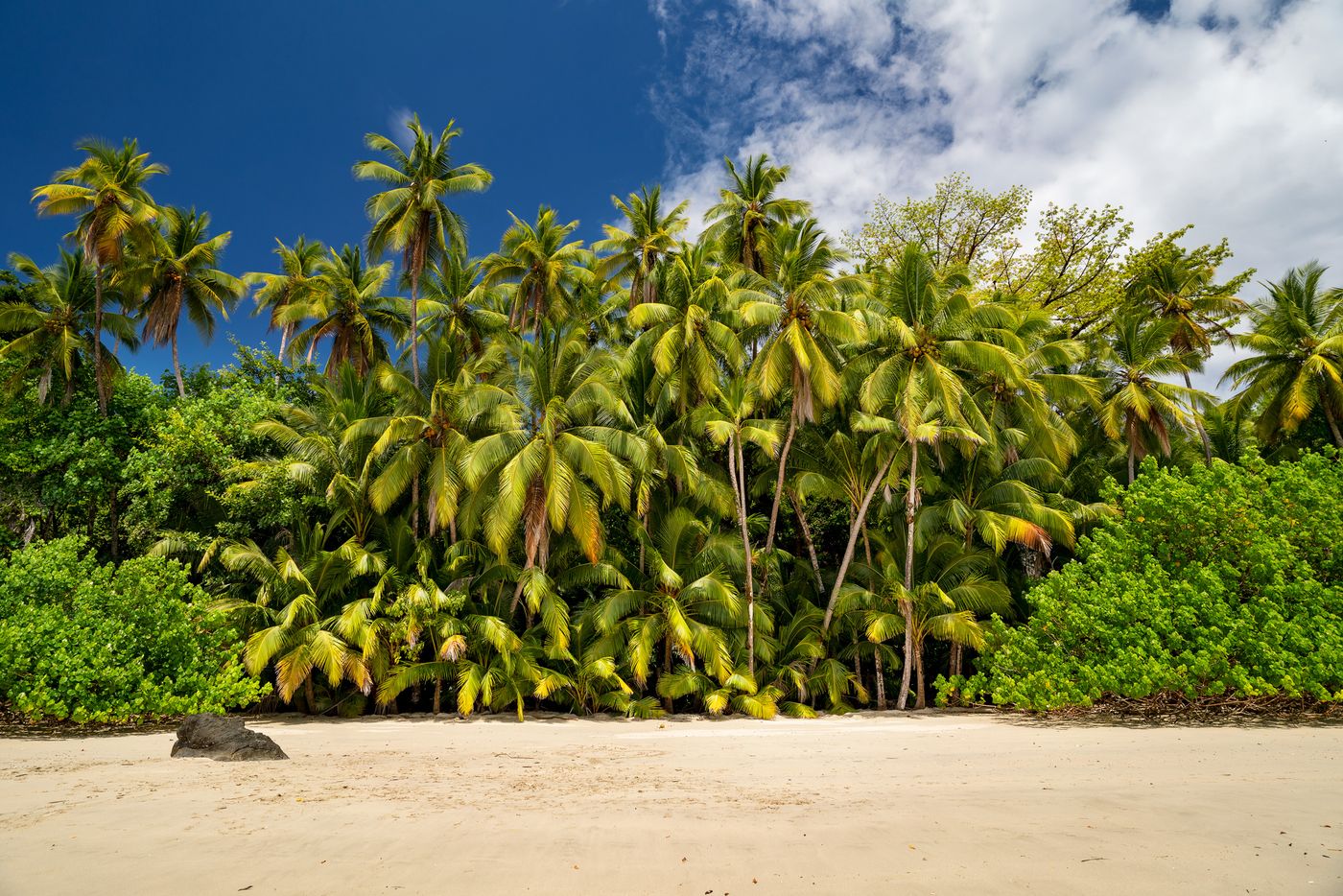
3 daysA small surf town on the Pacific coast, beaches fringed by rainforest and hardly anything else. The main reason to come is Coiba, the largest island in Central America and one of the best underwater worlds in the region. Access to the park is regulated and only licensed boats go there. The trip takes almost two hours, and orcas made it fly by for us. This is what paradise must look like. Keep a spare day for Coiba in case the sea won't let you out.
4. Boquete and the Chiriquí coffee mountains
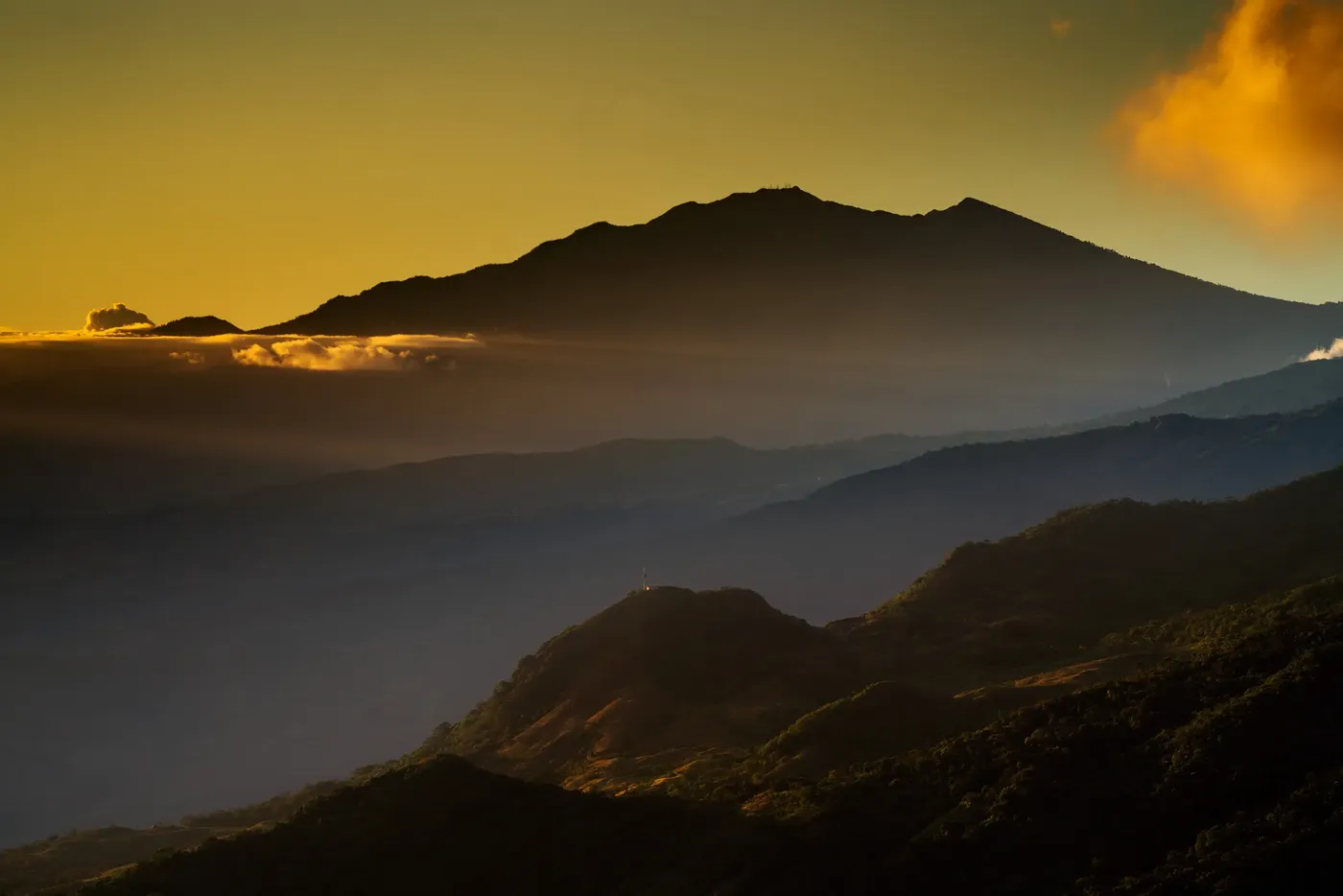
3 daysCoffee mountains on the slopes of Barú volcano. This is the home of Geisha, the world's most expensive coffee, grown here by farms such as Kotowa and Lamastus. The bajareque mist that rolls over the mountains from the north acts like a giant air conditioner. Between tastings, there's the Lost Waterfalls Trail, which starts right from Boquete: three waterfalls in the jungle, a steep, muddy climb with ropes. Do them in the order 2-3-1, each one more powerful than the last. And for the fit, there's the climb up Volcán Barú, Panama's highest mountain. You set off early in the morning; the path is tough, but it's an amazing hike. On a clear morning you can see both oceans from the summit.
5. Bocas del Toro
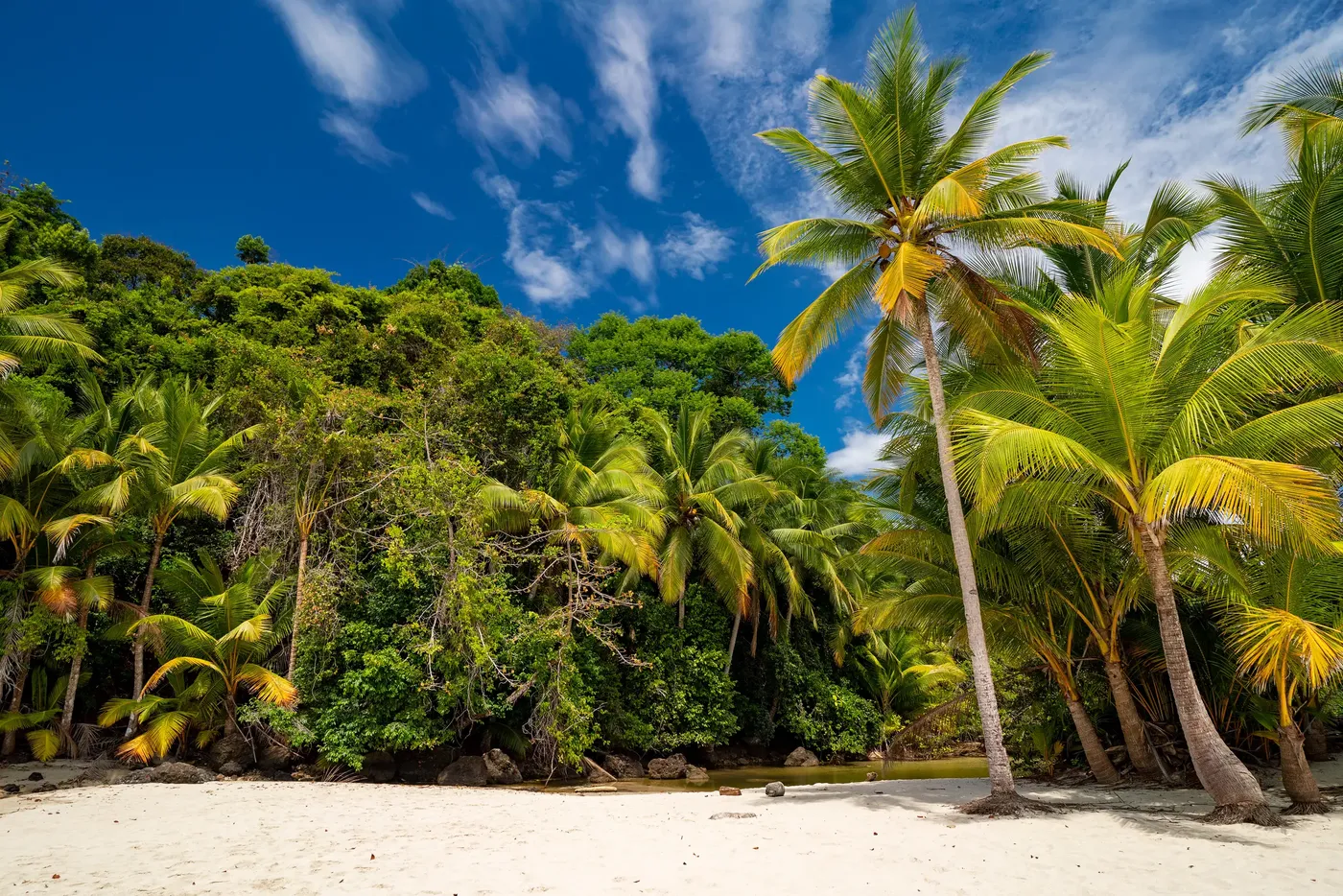
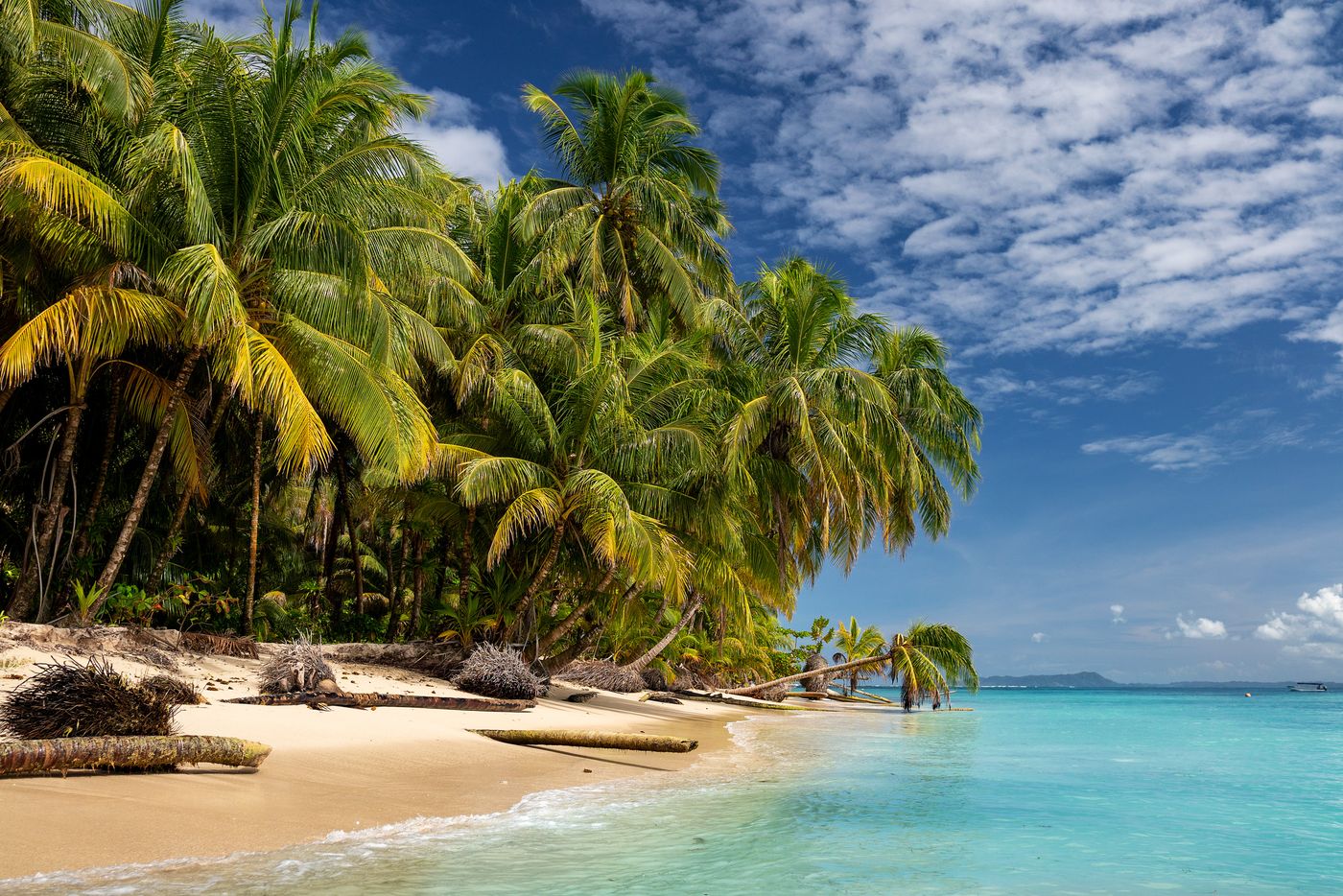
3 daysThe Caribbean end of the route. From the mainland by ferry, between the islands by water taxi. Isla Colón with the little town of Bocas, its bars and Caribbean parties, Bastimento with its rainforest and deserted beaches, and above all Zapatilla. An hour by boat from Bocas, no hotel, no restaurant, just white sand, palms and the murmur of the sea. This is how the Caribbean might have looked centuries ago. Go on a weekday; at weekends the locals come here for picnics.
That leaves one day for the journey from Bocas back to Panama City.
Route map
The route
Extension: an extra week (7 days)
With three weeks, you can add the mountains and waterfalls of Veraguas and Ngäbe-Buglé and the Caribbean at Portobelo. Santa Fe and Kiki lie between Santa Catalina and Boquete, so they slot into the middle of the route. Portobelo is reached from Panama City, so it fits best right at the start of the trip.
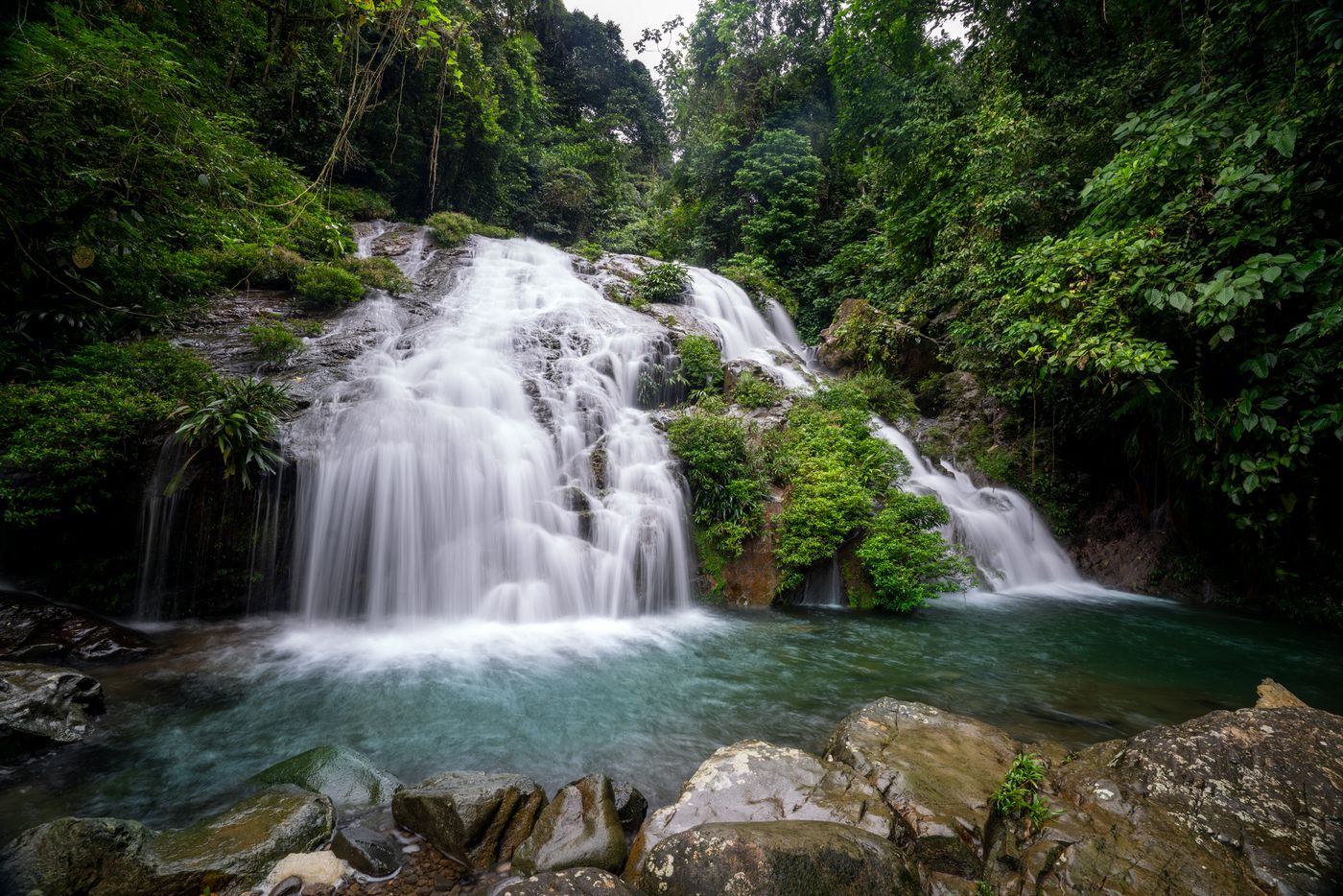
Santa Fe and the Veraguas waterfalls
2 daysThe mountains above Santa Fe are a Panama tourists barely reach. Coffee from the country's least-known region and waterfalls in the jungle. To get to Las Golondrinas you follow a muddy path, haul yourself up ropes and cross the river twice. I've been there twice and never met another tourist. It's also worth heading to the El Salto Las Palmas waterfall and the Río San Juan near Calobre.
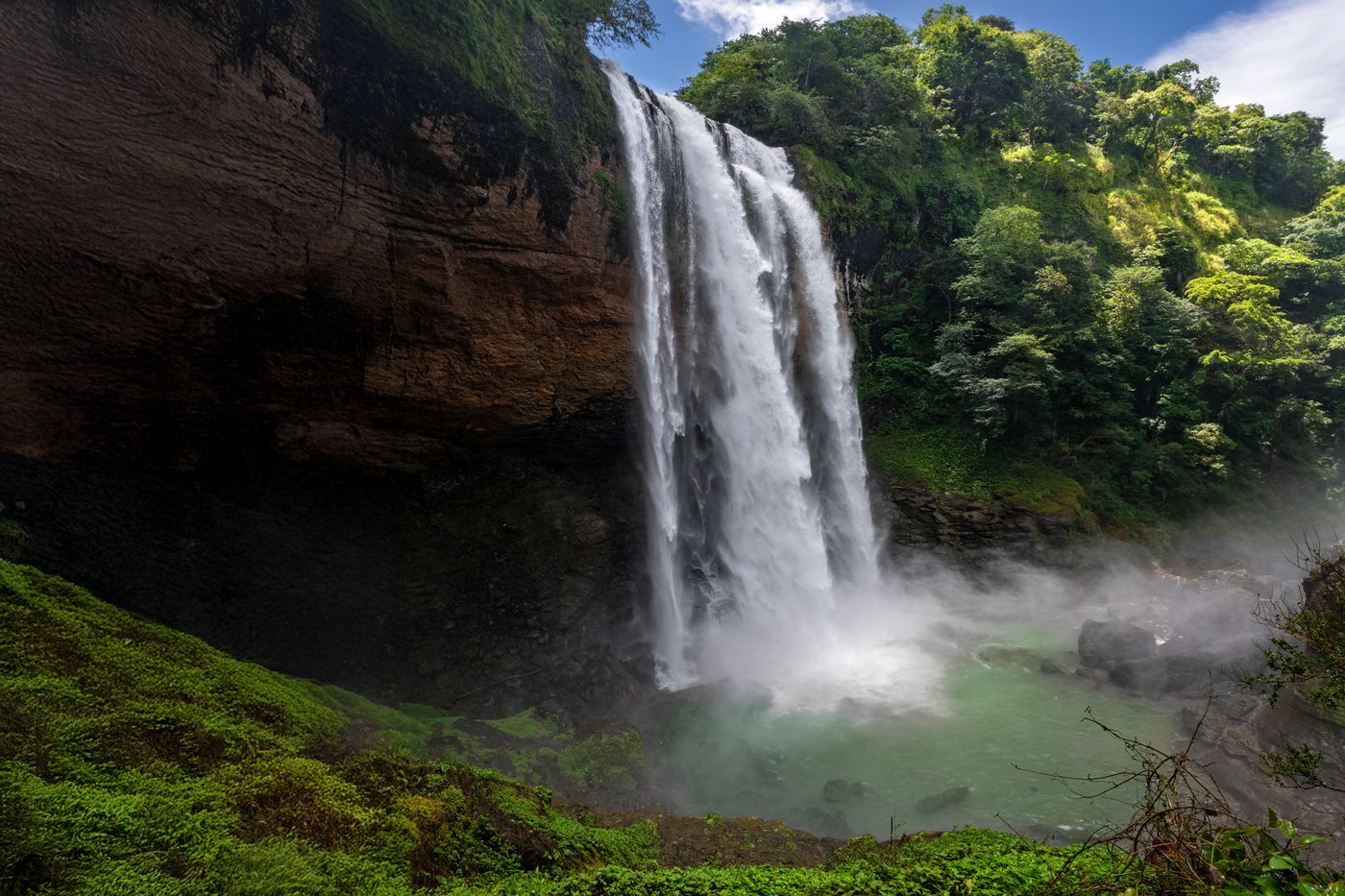
Cascada Kiki
2 days, 4×4 onlyFor me, one of the most powerful natural wonders I've ever seen. A 115-metre waterfall in the remote territory of Ngäbe-Buglé. The way leads through mud and rocks, across rivers and steeply down through the rainforest, and the same climb awaits you on the way back. It's impossible without a 4×4. Once I had to give it up because I didn't have a 4×4, another time the weather stopped me. I only made it on my last trip, with my son. The waterfall is at its mightiest in the rainy season, but the track can turn into a river overnight. It's best reached from Chiriquí, from David or on the way to Boquete.
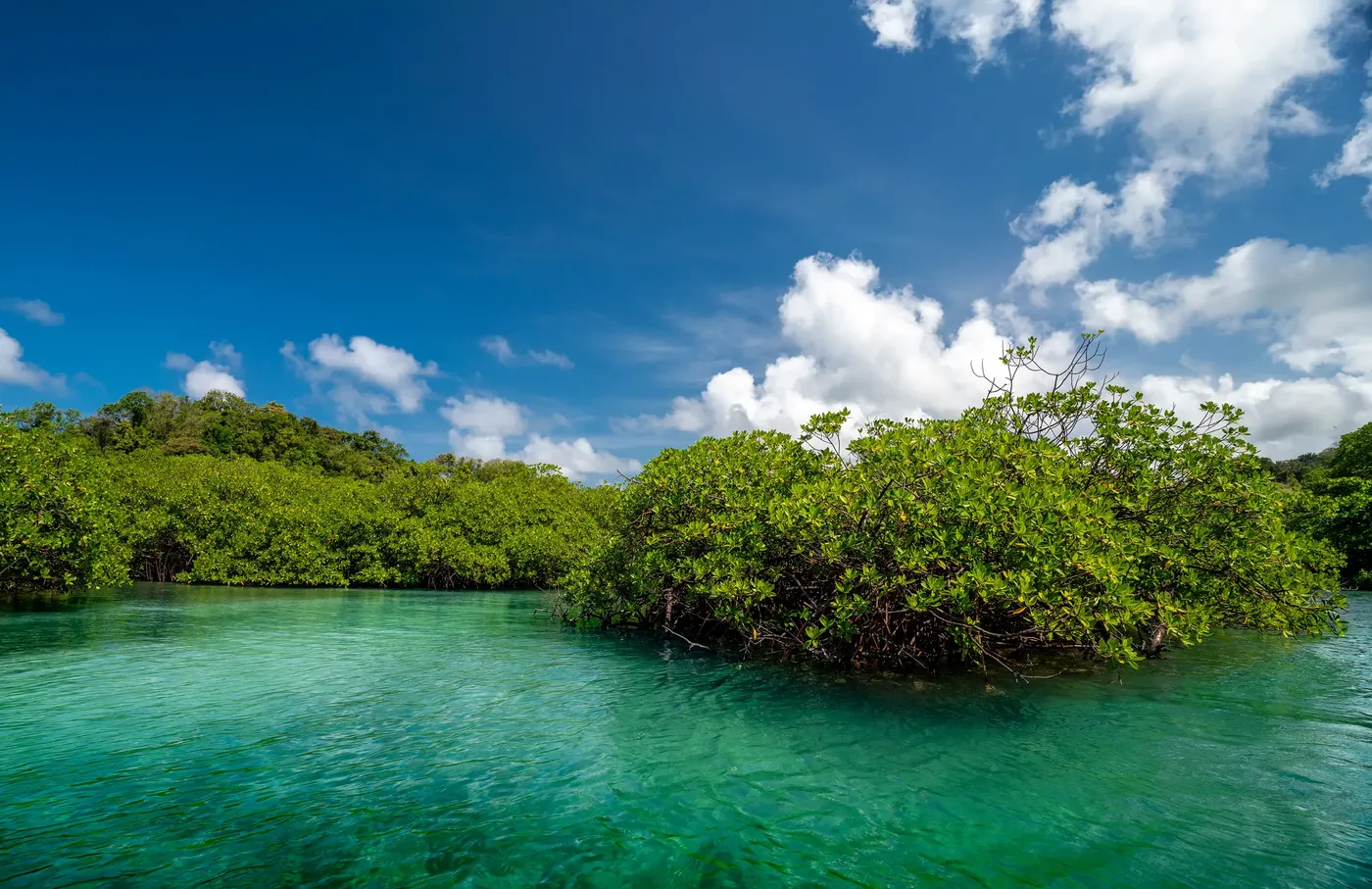
Portobelo and the Caribbean coast
3 daysA historic port at the end of the Camino del Rey, the trail along which the Spanish carried gold and silver from South America. It was one of the most important ports in all the Americas. You get here from Panama City, and on the way you can combine it with Lake Gatún and the Canal, ideally right at the start of the trip. All around are wonderful mangroves you can explore by sea kayak.
What to skip
San Blas (Guna Yala)
The San Blas islets appear on almost every 'what to see in Panama' list. I, on the other hand, put them among the places to avoid. It's overpriced and a tourist zoo. Spend your time and money on Coiba or Zapatilla instead, where both the Caribbean and the Pacific are still wild. I haven't been myself; the price put me off.
Darién Gap
In the east of the country, near the Colombian border, the Panamericana ends. Beyond the small town of Yaviza there are no roads, only rainforest and swamps. A migration route from South America to the north runs through the Darién, and the foreign ministry warns against travel beyond Yaviza because of armed groups. It's no place for a holiday. This route doesn't include it and I don't recommend it.
Putting the route together
Portobelo is best added right at the start, from Panama City. Kiki fits in from David, on the way to Boquete.
- Car: I started out hitchhiking and taking colectivos, and halfway through I switched to a car. Today I'd hire one straight at the airport. The main roads are as good as our motorways, the smaller roads are pothole after pothole, and in the mountains and jungle they turn into dirt and gravel. For remote places like Kiki you need a 4×4. The driving is roughly like in Hungary.
- Boats: There's no other way to Bocas, between the islands or to Coiba than by boat. Leave the car on the mainland and turn down the touts at the port.
- Cash: Outside Panama City, ATMs are scarce. Stock up on small notes in the city.
- Hikes: Set off in the morning. The rains come in the afternoon and the paths turn to mud.
Combining with Costa Rica: From Bocas del Toro it's a short hop to Costa Rica's Caribbean coast, and on the Pacific side the Panamericana crosses the border at Paso Canoas. So the two countries can be combined into one trip, flying into San José and out of Panama City, or vice versa. Just bear in mind that hire cars usually aren't allowed across the border.
When to go
Best in the dry season, from mid-December to mid-April. On the Pacific side, in Panama City and in the mountains it's the most reliable time, although it's humid by the Canal all year round. In the mountains around Boquete it's windy at this time and the bajareque mist rolls in. From May to November it rains, most of all in October and November. The Caribbean side with Bocas del Toro marches to its own rhythm: it rains there all year, and it's usually drier from February to April and in September, when it's pouring on the Pacific side. Kiki is at its mightiest in the rainy season, though that's when the track is at its worst.
What would have helped me
A car from day one. Originally I planned to use buses and colectivos; I started out hitchhiking and halfway through I saw the light. A car in Panama gives you a freedom nothing else can match. And if I'd had a 4×4 from the start, I wouldn't have had to give up on Kiki.
Weather slack for remote places. On one attempt at Kiki I was stopped by the weather and a track that turns into an adventure after rain. These days I always keep a spare day for places like Kiki or Coiba.
Cash and a SIM in town. Panama runs on cash and you can search a long time for an ATM outside Panama City. And today I'd buy a SIM card straight in town; at the airport it's about two and a half times more expensive.
A torch. I went up Cerro La Silla for the sunset and came back down in the dark. Without a torch.
FAQs
How many days do I need for Panama?
Two weeks for the backbone of the route, from Panama City via El Valle, Coiba and Boquete to Bocas del Toro. With an extra week you can add the waterfalls around Santa Fe, Cascada Kiki and Portobelo. That leaves no slack for weather, which comes in handy at Coiba and Kiki.
Is it better to hire a car or take buses?
A car. The main roads are good, petrol is cheap and driving is relaxed, roughly like in Hungary. Buses and colectivos run too, but getting to waterfalls and into the mountains with them is harder. For remote places like Kiki you need a 4×4. Bocas and Coiba are reached by boat.
When is the best time to travel to Panama?
From mid-December to mid-April, when it's dry on the Pacific side, in Panama City and in the mountains. On the Caribbean it rains all year; September and October are usually the driest.
Do I need a visa?
No. Czech citizens can stay in Panama without a visa for up to 90 days, as long as they don't work. Your passport must be valid for at least another 6 months, you need a return ticket and you may be asked to show at least 500 USD (a payment card is enough). Always make sure your passport is stamped on entry, otherwise you risk a fine of up to 1000 USD on departure. Conditions may change; you'll find the current ones on the foreign ministry website (checked in November 2026).
More: More practical information (currency, cards, signal, food): Panama: the country that joins the Americas
Can Panama be combined with Costa Rica?
Yes. From Bocas del Toro it's a short hop to Costa Rica's Caribbean coast, and on the Pacific side the Panamericana crosses the border. It's handy to fly into one country and out of the other. Hire cars, however, usually aren't allowed across the border.
What should I skip in Panama?
San Blas (Guna Yala). It's overpriced and a tourist zoo. You'll find the wild Caribbean on Zapatilla near Bocas del Toro. And the Darién Gap on the Colombian border: no roads, a migration route and armed groups; the foreign ministry warns against travel beyond Yaviza.
Where can I taste Panamanian Geisha coffee?
In the mountains around Boquete and Volcán on the slopes of Barú volcano, where it's grown by farms such as Lamastus, Kotowa and Janson. It's the world's most expensive coffee, but it's worth it. You'll find lesser-known coffee in the mountains around Santa Fe.
More: Panama: coffee from the very top of the gourmet rankings