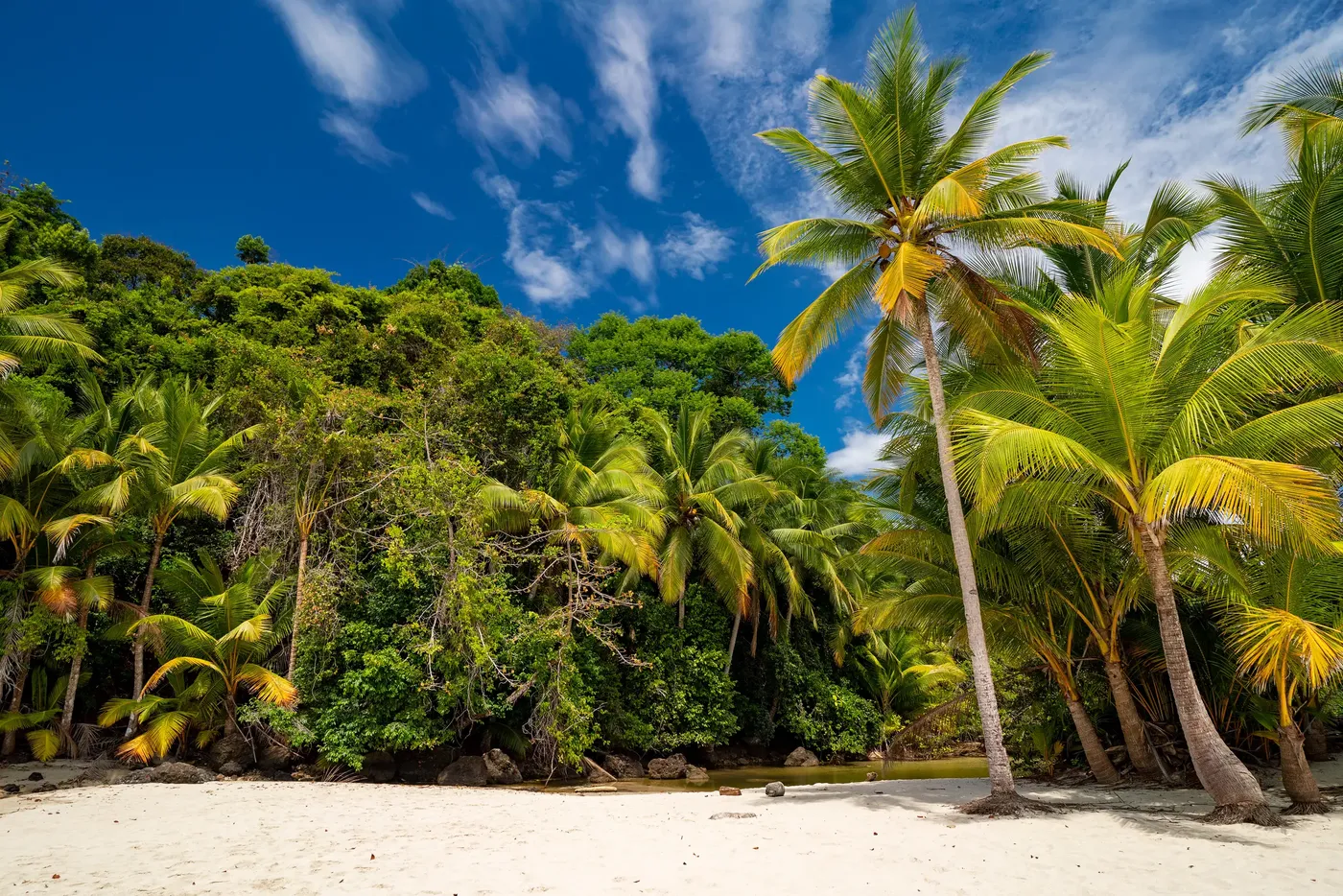
WHEN TO GO
The best time to visit Panama is the summer dry season, from mid-December to mid-April. The Panama Canal zone has a tropical climate with high humidity all year round.
HOW LONG?
Anything between a week and a month is ideal. A lot depends on what you want to do here. Do you just want to laze on beaches and hit the restaurants and bars, or are you more into day treks?
DAILY BUDGET
Panama is one of those countries that are, give or take, roughly on a par with the Czech Republic. What is definitely cheaper, though, is rum and fruit. And coffee – well, depends which. Geisha, for instance, is seriously pricey. But it's worth it.
VISAS
EU citizens need nothing for the first 90 days, so this one's a breeze.
GETTING TO PANAMA
From the Czech Republic, the easiest way to Panama is probably with KLM: Prague – Amsterdam – Panama, or with Air France: Prague – Paris – Panama. If you're lucky, tickets cost around 10k CZK; normally around 15k CZK.
GETTING AROUND PANAMA
When I was thinking about how to get around Panama, I originally planned to go by bus and colectivo. Luckily, I saw the light and hired a car instead. Driving in Panama is generally pretty relaxed. It's a bit like driving in Hungary.
How and when to go, entry requirements and more
Getting to Panama
- Flights: From the Czech Republic, the easiest way to Panama is probably with KLM: Prague – Amsterdam – Panama, or with Air France: Prague – Paris – Panama. If you're lucky, tickets cost around 10k CZK; normally around 15k CZK. If I were to recommend one, I'd definitely go with KLM.
- Visas: Czech citizens can enter visa-free for 90 days, so this one's a breeze.
- When: The best time to visit Panama is the summer dry season, from mid-December to mid-April. The Panama Canal zone has a tropical climate with high humidity all year round
In Panama
- Language: The official language of Panama is Spanish. In the cities you can (sometimes) get by in English, but in the countryside it's simply Spanish only
- Currency: Panama's official currency is the balboa (PAB), but the US dollar is used alongside it (or rather, mainly).
- Credit cards and cash machines: Panama is mostly a cash economy. You can only use credit cards in selected hotels, shops and restaurants. Although Panama City has a decent number of cash machines (the maximum withdrawal is 250 USD), the further you travel from Panama City, the harder it gets to find one. So it's always a good idea to carry cash, especially small notes.
- Plugs: Plugs in Panama are type A and B. The standard voltage is 110 V and the standard frequency is 60 Hz.
- Mobile and data: The first thing I have to say about prepaid SIM cards is that internet and data coverage is excellent, especially in the cities. Outside them there are still plenty of places (mountains, beaches and jungle) where the signal is weak or non-existent. There are 4 mobile operators: +movil, Claro, Tigo and Digicel. You can buy a prepaid SIM on arrival at Tocumen International Airport. Personally, though, I'd recommend buying one in town, as airport prices are far higher (about 2.5 times) than in the shops in town.
Transport
When I was thinking about how to get around Panama, I originally planned to go by bus and colectivo. The first time round I went for hitchhiking and colectivo cars. Halfway through, I saw the light and hired a car. At Tocumen International Airport you can hire any kind of car, and it's really up to you how and where you want to go. There are remote (but stunning, waterfall-filled) places where you need a 4×4. Sadly I didn't have one, so I had to give the Kiki waterfall a miss, for example. I only managed it last time, with my son.
Car
Driving in Panama is generally pretty relaxed. It's a bit like driving in Hungary. As for road quality, the main ones – the Carr. Panamericana 1 and the others numbered 2 to 10 – are excellent and every bit as good as our motorways. Smaller roads are worse, often pothole after pothole, so you barely manage 20 km/h. And in the mountains or the jungle the tarmac turns into a classic dirt-and-gravel track, which after rain can make for quite an adventure
- Petrol: the price of petrol is a stroke of pure luck. What else can you call 0.91 USD/litre?
- Toll roads: there are two stretches of toll motorway in the whole of Panama: to/from Panama City towards the international airport, and between Panama City and Colón.
Boat
Another way I got around Panama was by boat – both to visit Coiba (though that's more of an organised trip) and to get to Bocas del Toro (ferry), and then between the islands by water taxi.
Almirante → Bocas del Toro
- Transporte Marítimo Valencia, 6 USD one way or 10 USD return, runs 6am–6pm every 30 min and the crossing takes about 30 min
- I also had to park the car. Here you need to turn down all the touts (quite persistent ones) and head straight for the guarded and, above all, cheaper car park right next to the port (Leiza Secure Parking) – I paid 3 USD/day
- Water taxis cost from 2 USD to the nearest island up to 20 USD to the really remote ones
Accommodation, food and shopping
Accommodation
In Panama you can find accommodation in every price bracket. This time (apart from the last night in Panama City) I went for the backpacker classic – dorms. And I have to say everywhere was absolutely spot on. Clean rooms, clean bedding. Shared showers and toilets, but always very clean too. Even so, three places were simply better, mainly because of the kind of people they attract. They were:
- Lost and Found in Chiriquí (on the way to Bocas del Toro)
- Hostel Bodhi Santa Catalina
- Bodhi Hostel & Lounge, Valle de Antón
Food and drink
Restaurants, kiosks and shopping:
- you could say everyone finds their own spot in Panama, whether it's markets, street stalls, classic corner shops, supermarkets or huge American-style shopping malls.
- You can buy fruit and veg almost anywhere along the roads, and fish at markets or supermarkets.
- Bread, as usual, from bakeries.
- Grilled meat (mainly chicken and pork) is sold along the roads, and even the tiniest town or village has at least one restaurant.
- As for the cuisine itself, it's not exactly a culinary marvel. The only things that stand out from the relative greyness are grilled/fried fish, seafood and ceviche.
What does deserve a special mention, though, is rum and coffee.
- Rum: rum is a very rewarding subject when it comes to Panama. It's everywhere and, above all, very good. Rum connoisseurs and lovers will discover completely unknown but top-quality brands such as Pedro Mandinga or Manicordo.
- Coffee: Panama is home to (probably) the best and (definitely) the most expensive coffee – the Geisha variety, grown in the Chiriquí region. Another region with excellent coffee is the area around the town of Santa Fe
Places of interest
01
Coiba National Marine Park
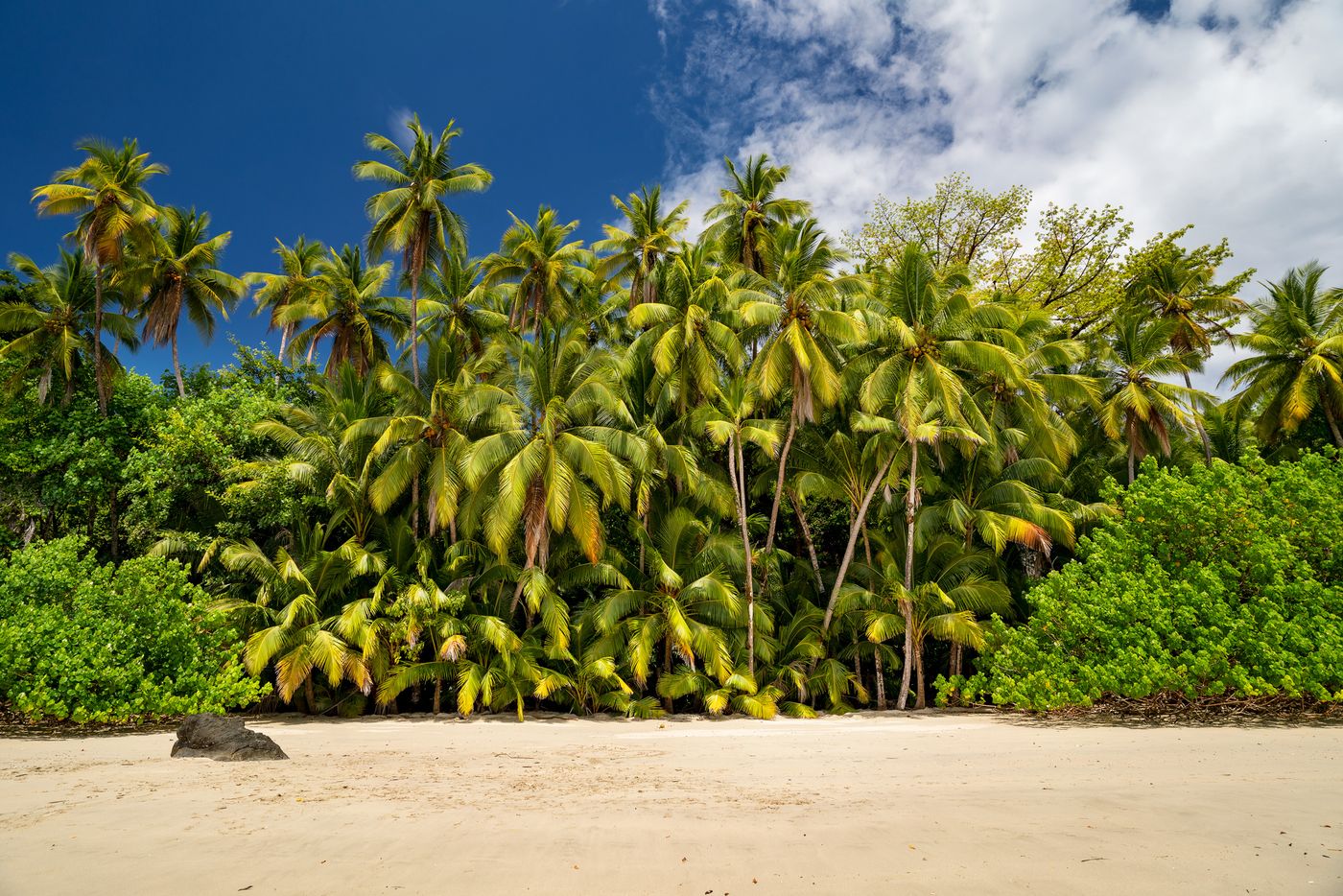
The park is known as one of the best places for snorkelling and diving on the Pacific coast. The area is home to more than 800 species of marine life and a great many islands. At its heart is Coiba Island, the largest island in the park and also the largest in all of Central America.
02
Cayo Zapatilla
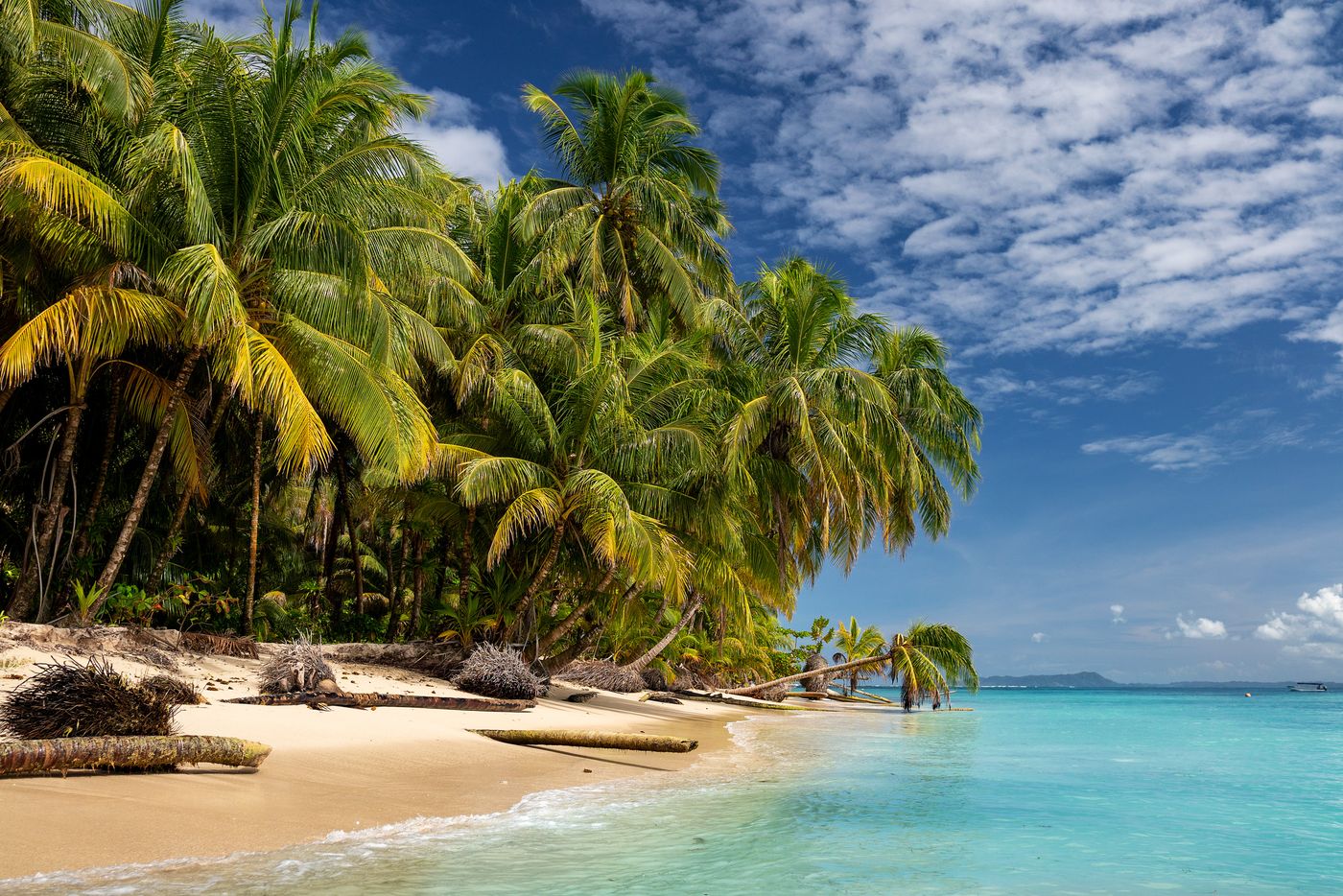
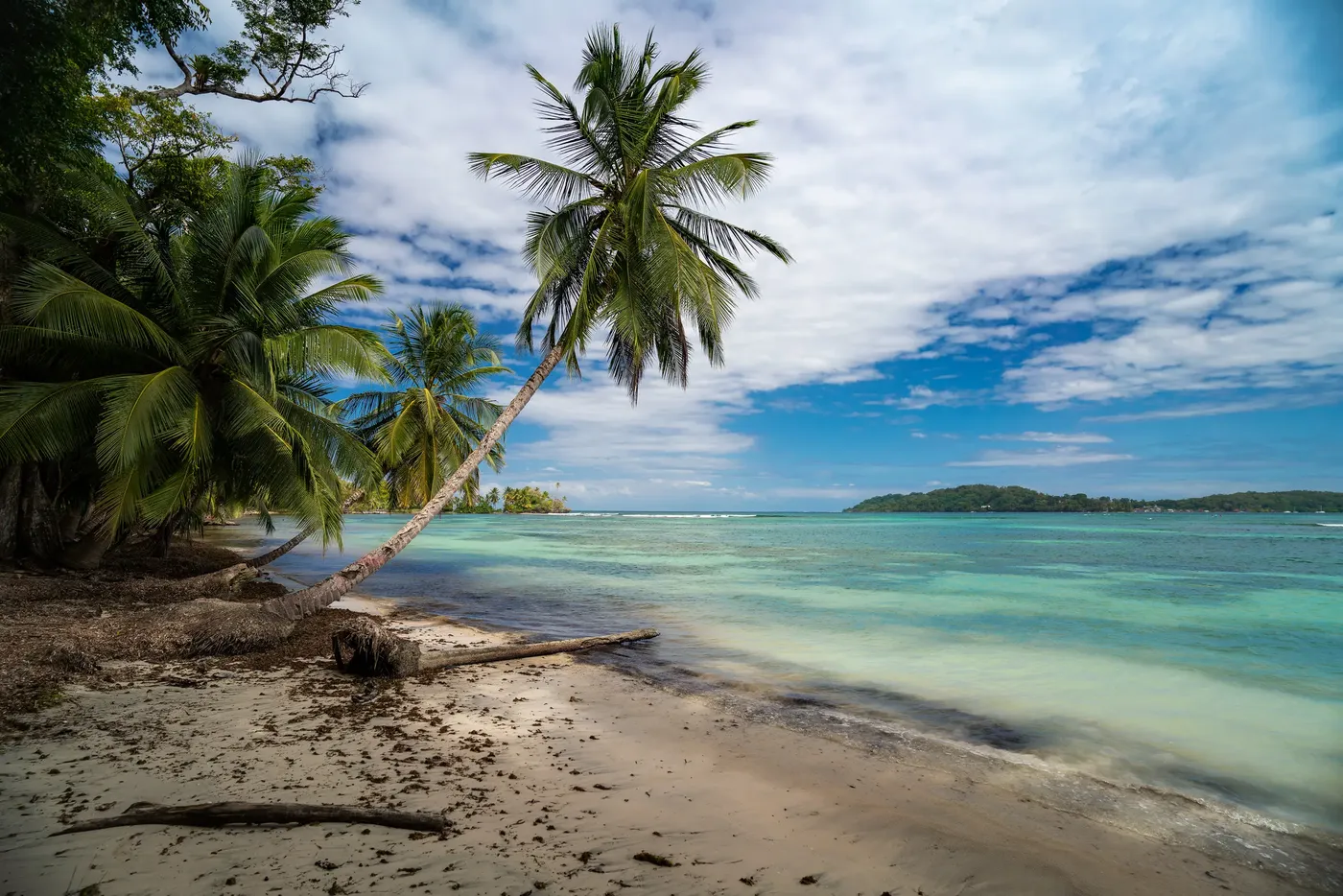
An incredible, wild, uninhabited pair of islands ringed by mangroves and coral reef. Islands with nothing but fine white sand, palms leaning over the turquoise sea, peace, calm and paradise. Local legend has it that the islands were formed when God set foot on earth, which is why they're shaped like his shoes.
03
Bocas del Toro
The capital of Bocas del Toro province is a favourite with backpackers, divers and surfers. The vast coral reef offers amazing waves, colourful tropical fish and deserted islands to explore. Discovered by Christopher Columbus in 1502, the area is one of Panama's most popular tourist attractions. In Bocas del Toro, visitors regularly hike through lush rainforest to enjoy wild, deserted beaches with palms leaning over white sand and turquoise sea.
04
El Valle de Antón
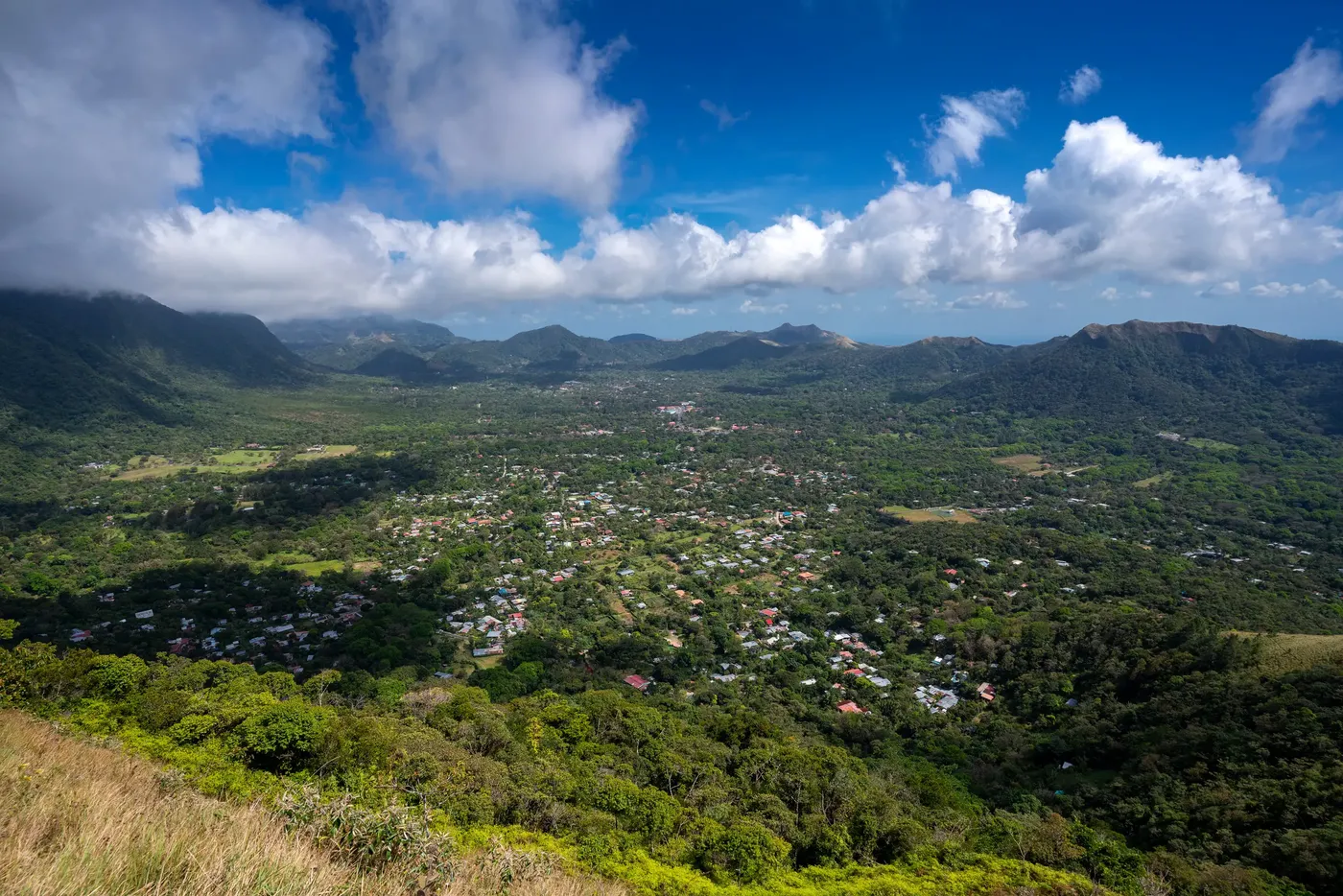
El Valle de Antón is a picturesque little Panamanian village in Coclé province in central Panama, popular mainly for its amazing hiking trails. It's completely surrounded by an ancient volcanic caldera, and finds of prehistoric human settlement make El Valle the oldest continuously inhabited volcanic site on Earth. Thanks to its isolation from the rest of the country, it's a textbook example of old Panama, where life is slower and the bicycle is the preferred way of getting around.
05
Panama Canal
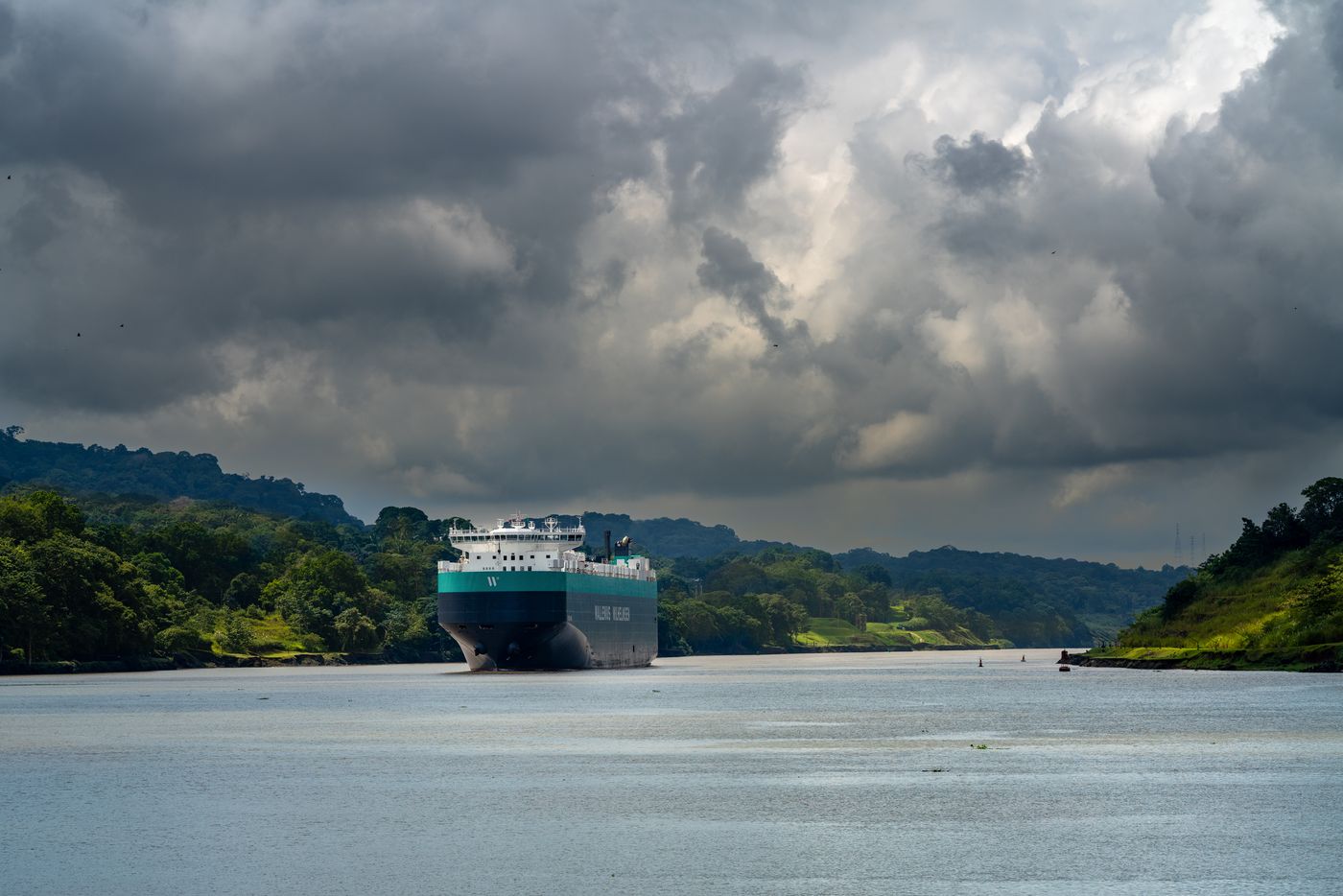
The Panama Canal is one of the world's greatest feats of engineering. But until you stand at its edge, you hardly realise just how vast and monumental it really is.
06
Panama City
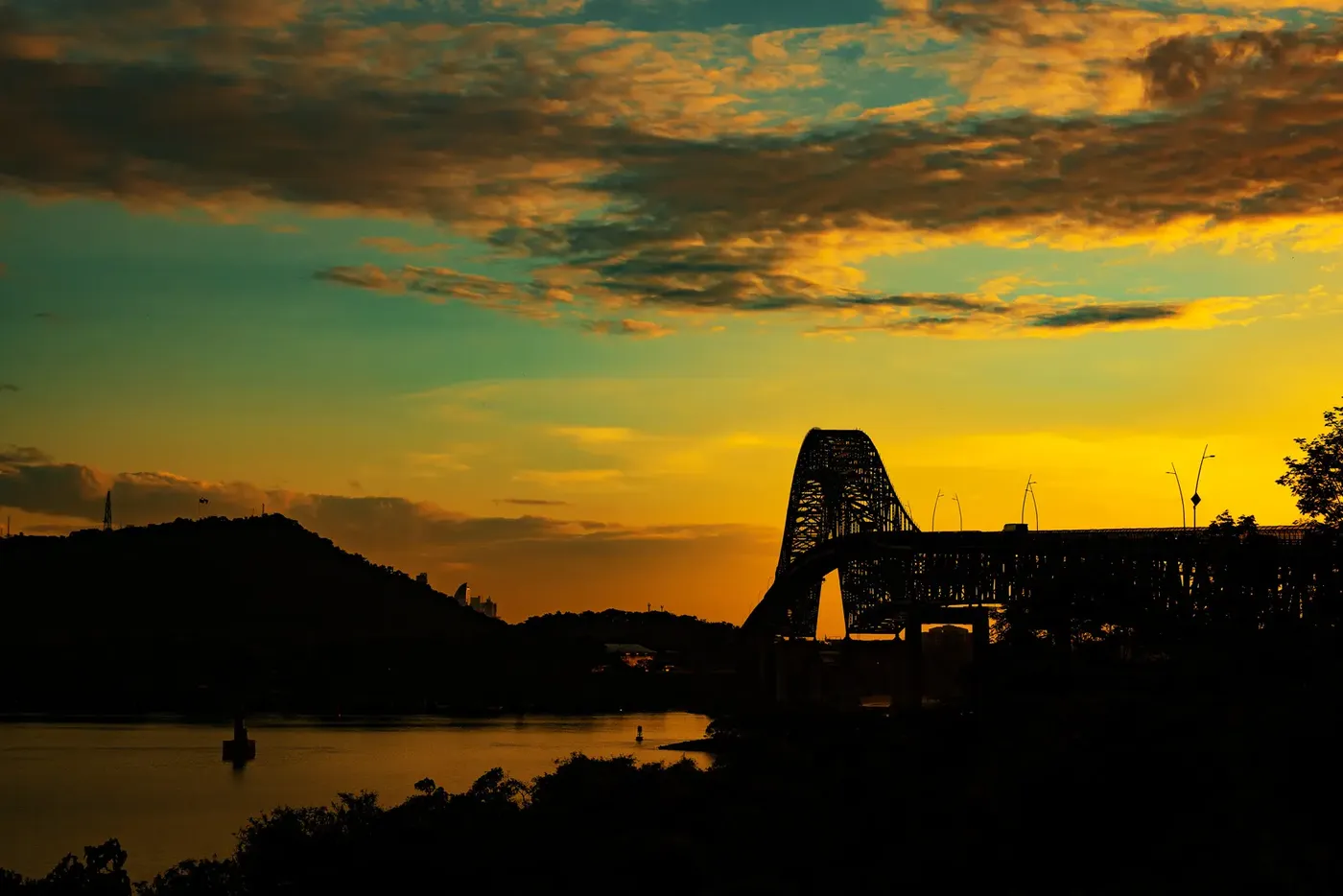
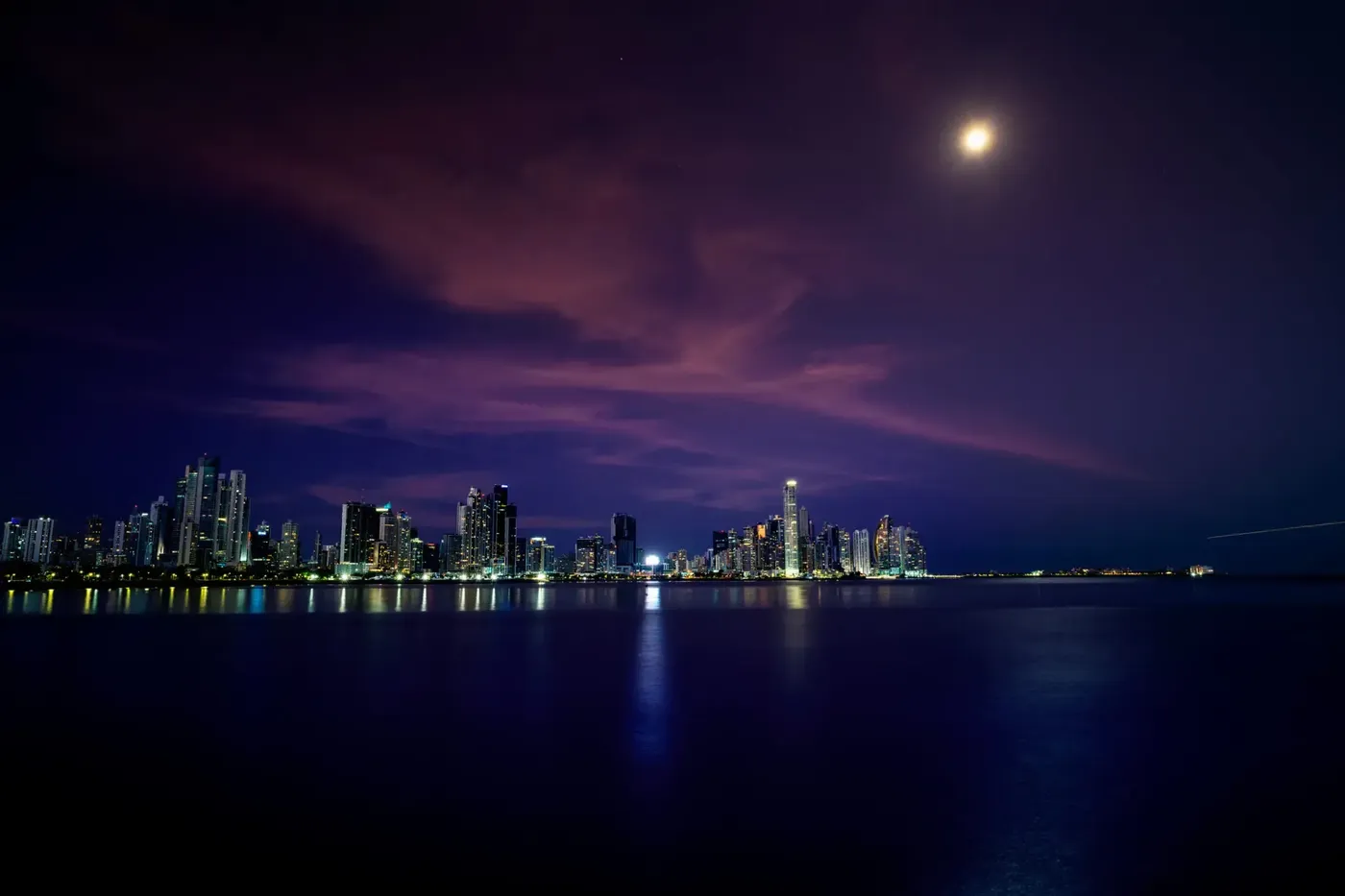
Panama's capital and largest city, and also the most modern city in Central America (unofficially nicknamed the 'Dubai of Latin America'). You'll find luxury resorts, shopping malls and gleaming skyscrapers lining every metre of the city, but also the ruins of old Panama destroyed by the pirate Morgan, the monumental Puente de las Américas and an urban rainforest.
07
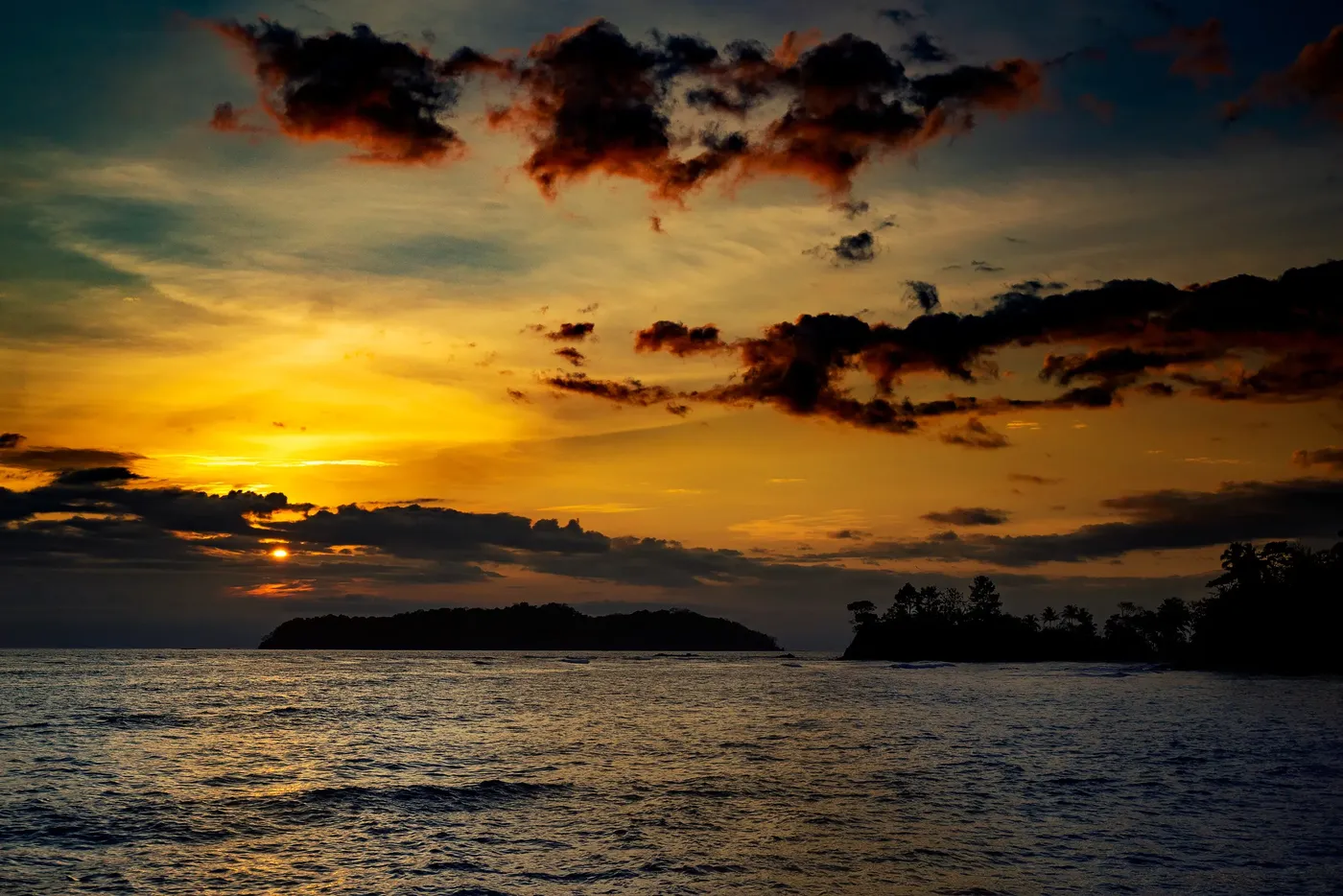
Santa Catalina
This quiet little town lies on the Gulf of Chiriquí and doesn't offer many amenities, but its beautiful jungle-fringed beaches and easy access to Coiba make it an ideal destination for anyone wanting to enjoy Panama's natural beauty. It's also a superb surf spot – so much so that the surfing community tried to keep this idyllic place a secret, just for themselves.
08
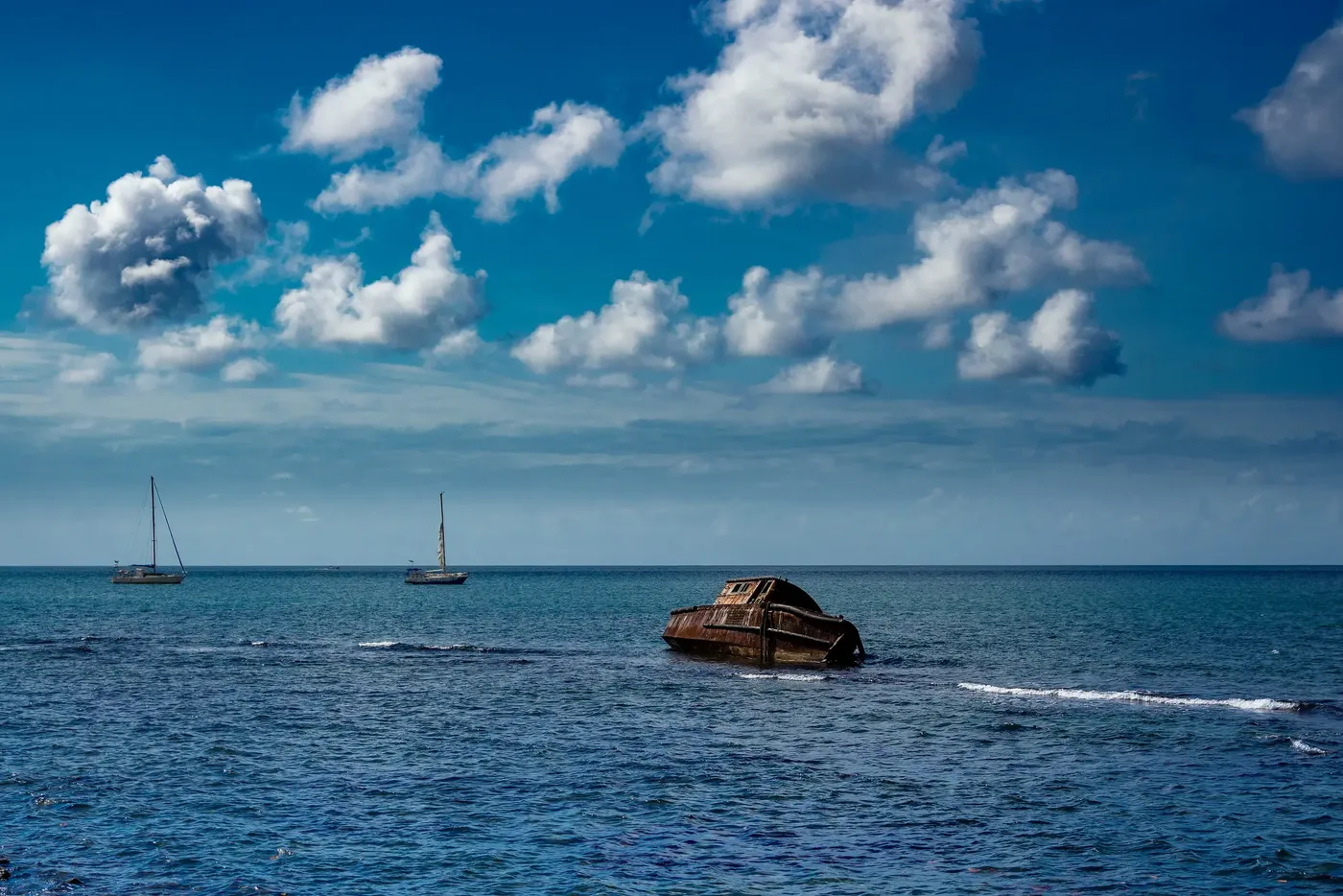
Portobelo
A historic port on the Caribbean coast which, in the days of Spanish rule, was one of the most important transhipment points for gold and silver in all the Americas. This is where the Camino del Rey ended – the trail along which gold and silver from South America were carried.
09
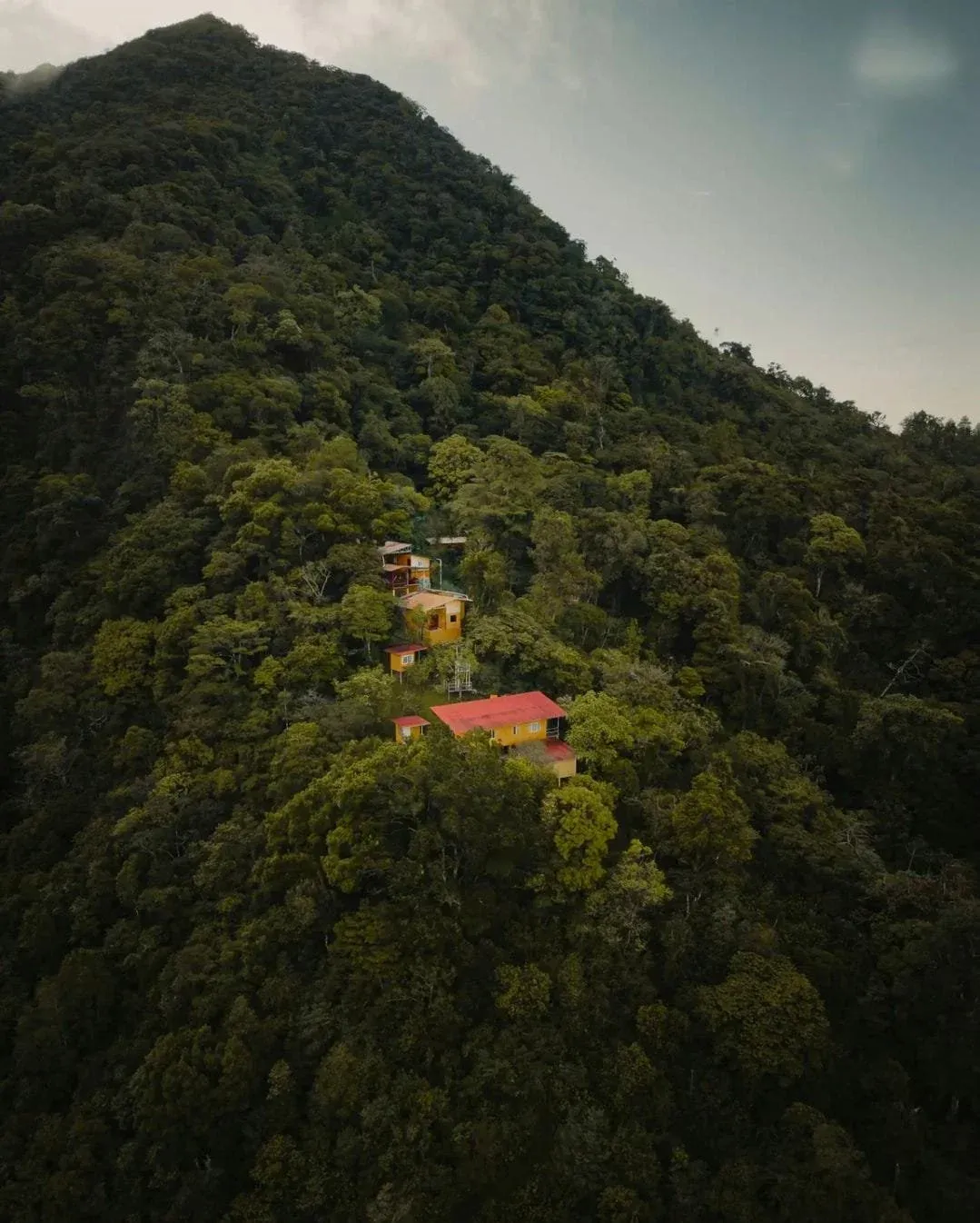
Lost and Found hostel
If you haven't been to Lost and Found, you've missed the most backpacker hostel in Panama and one of the best of its kind in the world. It can't be described – you have to experience it.
Prices
All prices are in USD, as it's the official currency. What's more, the local balboa is pegged 1:1 to the USD.
Transport
| Car hire | 20 USD/day (Express / Mexc, with full insurance) |
| Petrol | 95: 0.92–1 USD · 91: 0.91–0.94 USD |
| Motorway toll | approx. 3 USD per trip |
| Puerto Almirante → Bocas del Toro | 6 USD one way · 10 USD return |
| Bocas del Toro → Isla Carenero | 2 USD |
| Bocas del Toro → Isla Bastimentos | 5 USD |
| Parking in Puerto Almirante | 3 USD/day |
Trips
| Santa Catalina → Coiba | 70 USD (incl. 10 USD national park entry, lunch, drinks and snorkelling gear) |
| Bocas del Toro → Cayo Zapatilla | 35 USD (incl. 5 USD national park entry) |
| Puerto Corotú → Río Chagres | 30 USD/boat (without visiting the indigenous village) |
| Cacique → Venas Azules | 20 USD/boat |
| Lost and Found – horse ride | 35 USD (incl. lunch at the farm and your own sugar-cane juice) |
Food and drink shopping
| Papaya (medium) | approx. 1.5 USD each |
| Pineapple | 0.5–1 USD each |
| Bananas, 1 kg | 1.5 USD |
| Passion fruit, 1 kg | 2 USD |
| Cheese, 1 kg | 8–10 USD |
| Ham, 1 kg | 5–8 USD |
| Salami, 1 kg | 5–10 USD |
| Eggs, 12 | 2–2.5 USD |
| Milk, 1 l | 1.5 USD |
| Rice, 1 kg | 2–3 USD |
| Onions, 1 kg | 2–3 USD |
| Bottled water, 1.5 l | 1.5 USD |
| Juice, 1 l | 1–3 USD |
| Coca-Cola, 2 l | 1.5–2 USD |
| Local beer, 6 × 0.33 l | 3–5 USD |
| Beer in a bar, 0.33 l (Balboa, Panama) | 2–3 USD |
| Shot of rum or tequila | 3 USD |
| Rum Abuelo Añejo, 0.7 l | 8.5 USD |
| Rum Abuelo Añejo, 1 l | 11 USD |
| Rum Abuelo Añejo, 1.25 l | 15 USD |
| Rum Abuelo 7 Años, 0.7 l | 15 USD |
| Rum Carta Vieja Clásico, 0.7 l | 7 USD |
| Rum Carta Vieja Añejo, 0.7 l | 10 USD |
| Rum Carta Vieja 8 years, 0.7 l | 20 USD |
Eating out
| Burger | 5 USD |
| Fish in a local restaurant | 3–7 USD |
| Ceviche | 1–6 USD depending on size |
| Grilled meat with a side | 3–6 USD |
| À la carte meal in a village 🙂 | 3–5 USD |
| Prawns in a restaurant | 10 USD |
| Whole lobster in a restaurant | 14–20 USD |
Accommodation
| Hostel dorm (booked approx. 10 days ahead) | 8–12 USD |
| Hostel dorm (last minute) | 15–20 USD |
| Private room in a hostel | 25–35 USD |
Other
| SIM card (one month, unlimited data) | 20 USD |
| Laundry | 5 USD/bag |