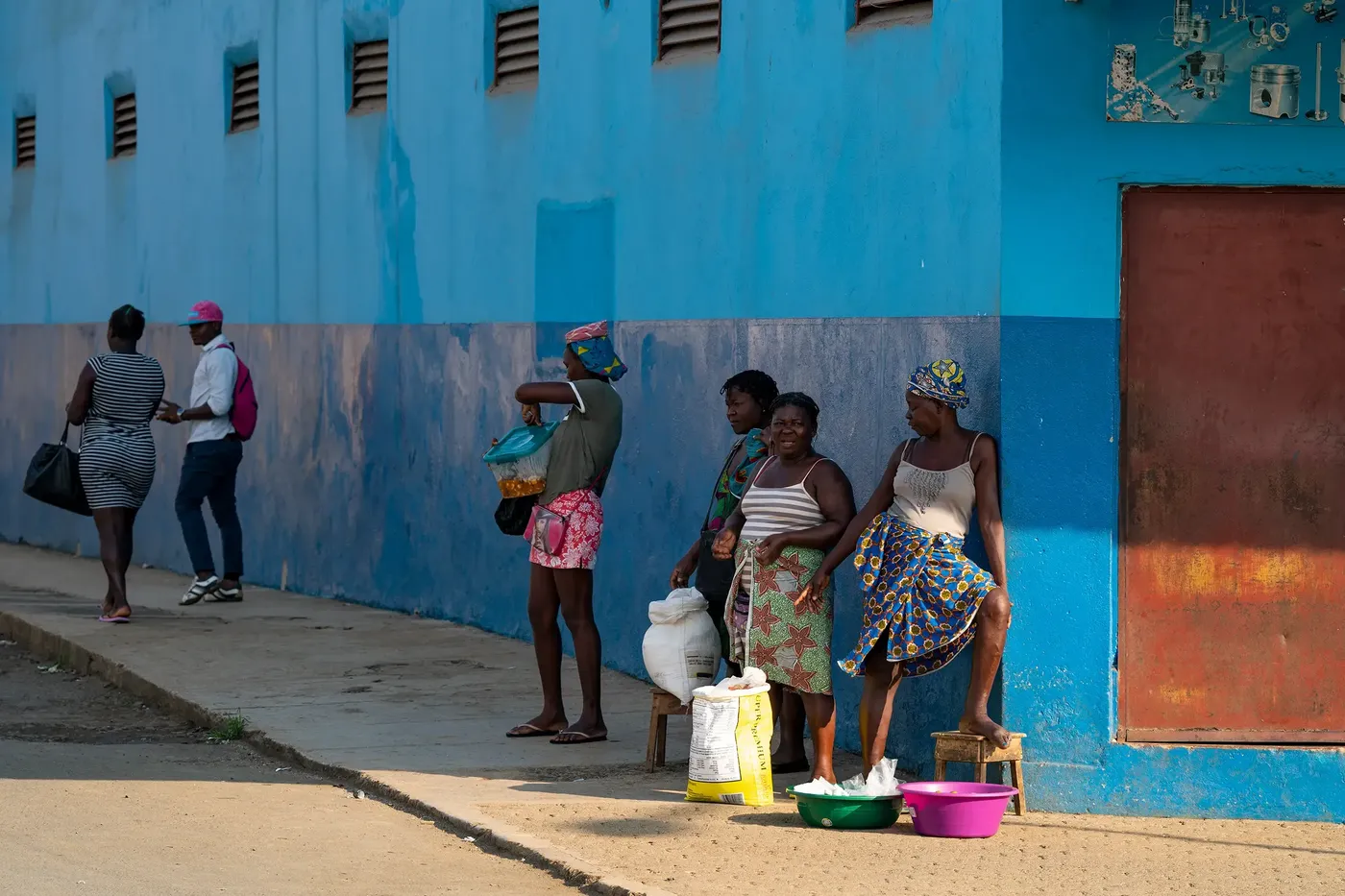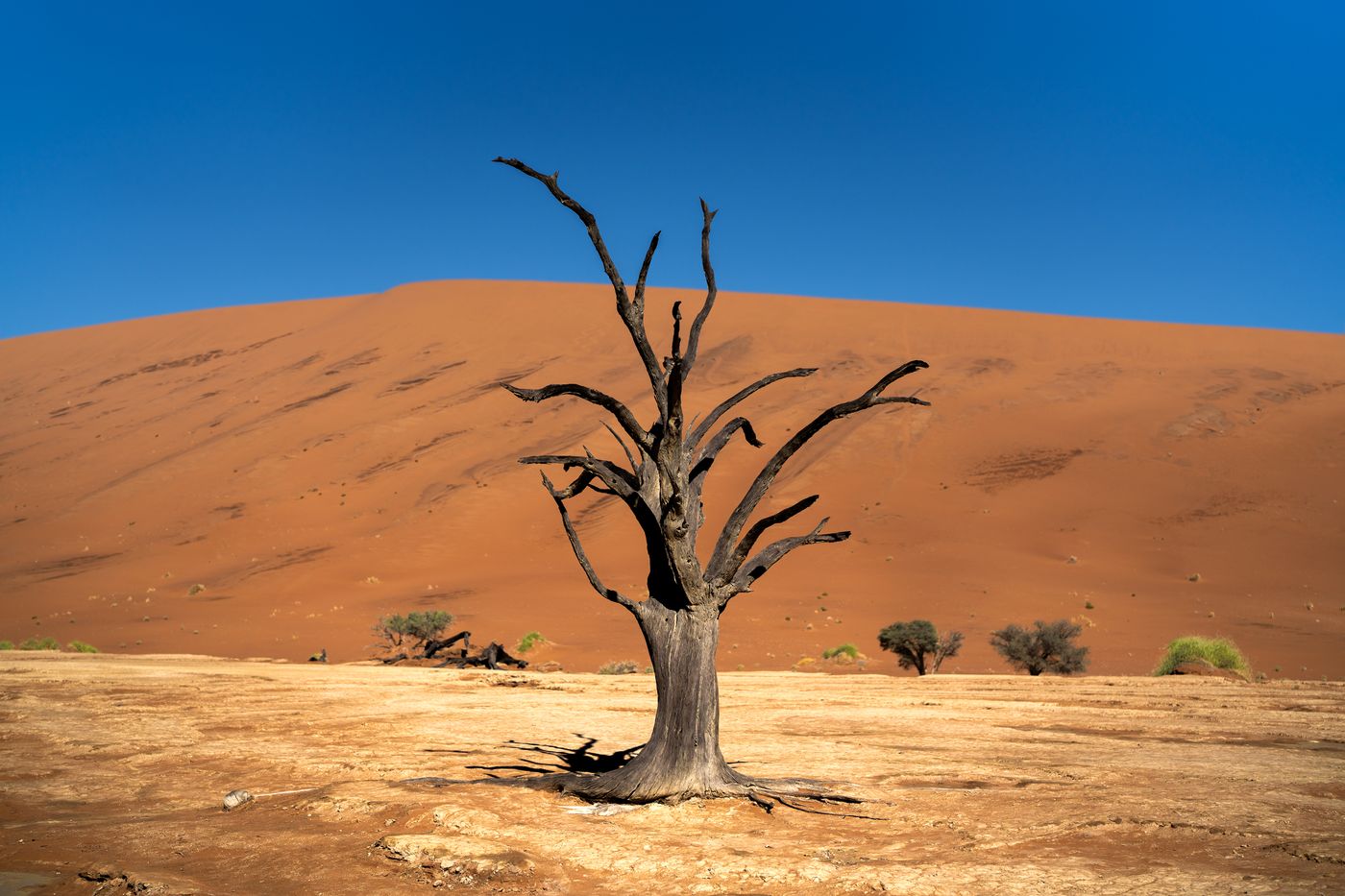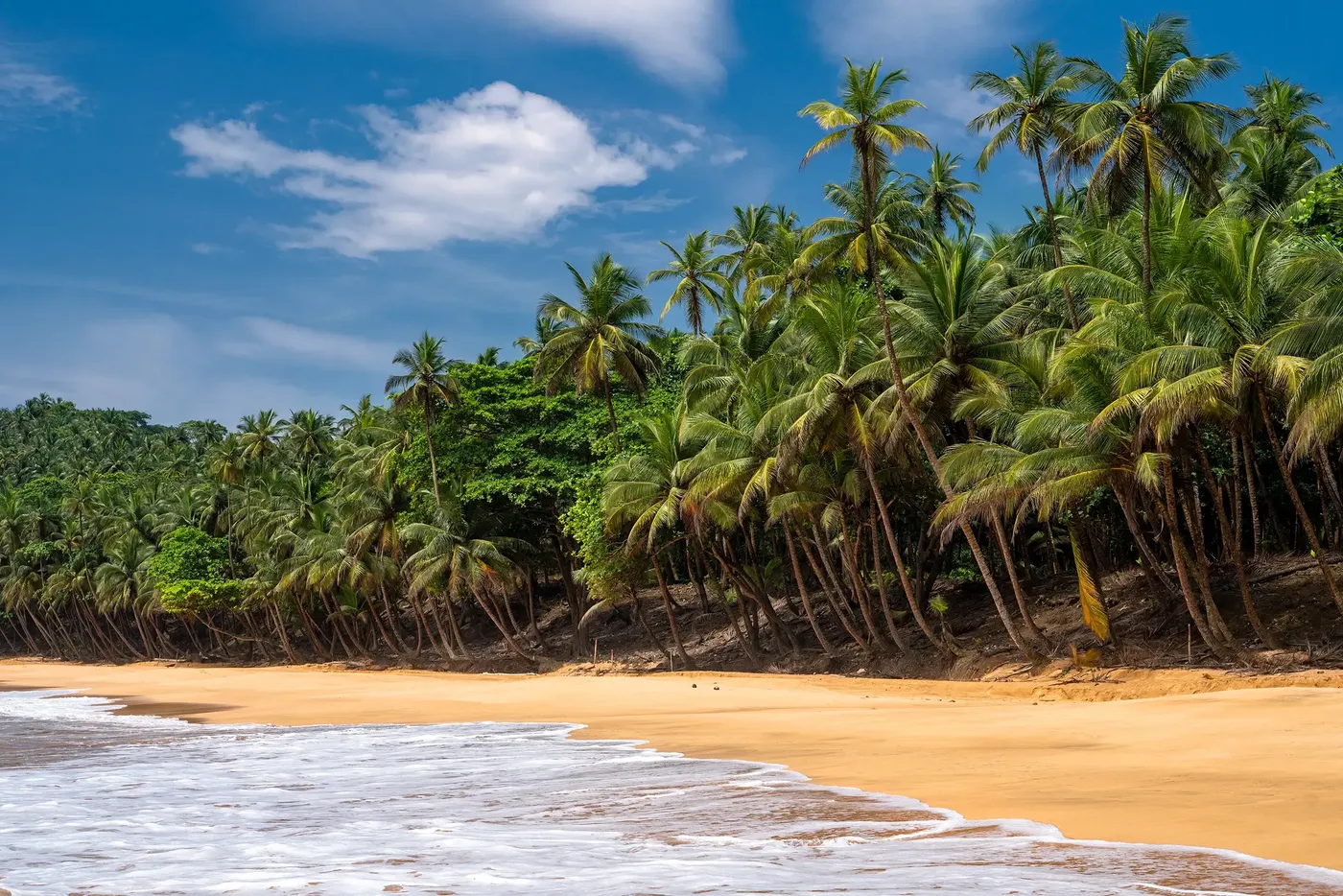
São Tomé and Príncipe may not ring a bell, yet this place sits quite literally at the centre of the Earth and is, in a way, Africa's answer to the Galápagos. It is a place of breathtaking landscapes with lush vegetation and hills from another planet, forgotten beaches with palms leaning over the sand, hellish roads and a wild sea. Also of the smiles and warmth of the locals, the delicious taste of fish and fruit, and a sense of calm. And also of scenes of poverty and traces of the colonial era, which left deep marks not only on the buildings but also on people's lives.
So how do you get to these islands, what is there to see and so on?
São Tomé and Príncipe (officially the Democratic Republic of São Tomé and Príncipe) is an archipelago made up of 2 large islands (São Tomé and Príncipe) and several small islets (including Rolas Islet, Santana Islet and the Sete Pedras Islets).
The islands have a hot and humid tropical equatorial climate, with temperatures ranging from 22 °C to 31 °C. As on all tropical islands, there are only two seasons – the dry season (June to September – dry weather, less heat and less humidity) and the rainy season (more heat and more frequent rain). That said, I was there in December and had only one day of heavy rain; the rest were marked by intense heat, humidity and moments when the sky was perfectly clear. So there you go.
WHEN TO GO
São Tomé has two main seasons, one of which mirrors the European summer holidays (i.e. June–August). The other runs from December to the end of February.
HOW LONG?
Somewhere between one and two weeks is ideal. Bear in mind that São Tomé is a very small island and Príncipe is even smaller. On São Tomé it takes 3 hours by car to get from one end to the other.
DAILY BUDGET
São Tomé is one of those countries where accommodation makes a significant difference to costs. Partly because it is pricier, and partly because you can sleep fairly safely in your own hammock on the beaches. But generally we're talking about roughly 50 EUR a day.
VISAS
EU citizens need nothing for the first 15 days, so this is a breeze.
GETTING TO SÃO TOMÉ
This is actually São Tomé's biggest pain, or rather its saving grace. Only one airline flies there from Europe (TAP, 2 flights a week) and the prices reflect that. On offer you'll find around 500 EUR, but generally it's more like 800–1000 EUR.
GETTING AROUND SÃO TOMÉ
When I was thinking about how to get around São Tomé, I originally wanted to go the bus and colectivo route. Well, that doesn't exist on São Tomé. So I hired a car. And it was the best decision.
Somewhere between one and two weeks is ideal. Bear in mind that São Tomé is a very small island and Príncipe is even smaller. On São Tomé it takes 3 hours by car to get from one end to the other
São Tomé is one of those countries where accommodation makes a significant difference to costs. Partly because it is pricier, and partly because you can sleep fairly safely in your own hammock on the beaches. But generally we're talking about roughly 50 EUR a day
How to Get to São Tomé and How to Get Around
You can get to São Tomé from Europe with two airlines. Both fly from Lisbon – TAP Portugal and STP Airways. Their prices are similar (a return ticket from Lisbon costs about 12,000 CZK), so personally I'd definitely go with TAP. There are several ways to get to Lisbon, which I won't go into here. Be warned: with TAP Portugal you have to reckon with delays/cancellations. I strongly recommend having insurance and arriving with a flexible schedule.
Visas
You don't need a visa if you're from a Schengen country and staying for less than 15 days.
On entry, customs officers may ask you to show a return ticket plus sufficient funds for your stay (100 euros/day), but in reality this doesn't happen. The departure airport tax of 20 euros is paid at the international airport.
The only restriction may apply if you are arriving from a country (including transit through its airport) or have been in the past year in a country with a risk of yellow fever transmission. In that case, proof of yellow fever vaccination is required (an international vaccination certificate)
Getting Around
On the ground you have, in effect, two options. Either hire a car or rely on local transport. I went for car hire and in the end it strikes me as by far the better option. If you travel by local transport, it's completely unpredictable when and where you'll get to. And besides, for the more remote spots you'll have to use a taxi/moto-taxi anyway, or simply walk in the infernal heat.
Via car hire. Even that isn't entirely straightforward. No international company operates on São Tomé, so you can either book in advance (with the hassle of sending money upfront via PayPal) or try to sort it out on the spot. And here too I definitely recommend hiring
I went for booking in advance (I booked here) and I have to say everything was absolutely fine. The guy handing over the car even spoke English, which made him one of the 4!! people on all of São Tomé who did. The price was 242 EUR for 9 days for a SUZUKI JIMNY.
Now a quick look at prices. In this respect São Tomé is classic Africa. On the one hand, accommodation prices at European levels; on the other, about a third of the population lives on less than 1.9 dollars a day and more than two thirds live below the poverty line of 3.2 dollars a day. But accommodation quality is a decent standard; you just have to get used to the fact that the electricity might be off all evening 🙂 but you can live with that. As for food, you won't find much classic street food. But there are plenty of restaurants of every category – from a wooden pallet stall to luxury restaurants.
Money
On São Tomé it is absolutely essential to bring cash (EUR or USD). There isn't a single ATM on the islands that accepts international cards (they only accept cards issued on São Tomé). In a pinch, you can use your card to withdraw cash directly at the National Bank, but it comes with a pretty hefty fee. The second option is the luxury resorts, but only if you're staying there. So if you have cash, you can exchange it (in practice only in São Tomé, the capital) with the street money changers (they mostly hang out here – map), as official exchange offices don't exist. They always give a slightly better rate than the current bank rate and you pay no fee. They currently exchange at 1 EUR to 25 STN dobra. It's a perfectly safe option; they always give you time to count and don't try any tricks.
Phone and Data
- I'll start with what (these days) pretty much everyone needs: internet and phone access.
- First of all, it has to be said that you won't connect to the local GSM network with any Czech operator. Fortunately, it's no problem to buy a local SIM with data and get by on São Tomé that way.
- There's a fairly good connection almost everywhere, except in places with no signal at all. But those are few and far between. Occasionally there are massive power cuts, and then there's no signal either, but that's mostly at night.
- São Tomé and Príncipe has two mobile internet operators: Unitel and CST. CST is the largest mobile internet provider in the country and you'll see CST stands everywhere.
- You can buy a SIM here + it's also a handy place to top up data. SIM card = 160 dobra + the price of your chosen data package.
- A good guide on how to buy a SIM is here – Buying a sim card in Sao Tome
Accommodation
- Accommodation is a chapter in itself. One thing is certain, though. Accommodation is one of the pricier items of the trip, especially when travelling solo. As for quality, what's on offer is generally good. And how do you find accommodation? Not very well on the spot; it's better to go via booking.com or just look on Google Maps. Personally, I'd recommend 3 places where I was happy, where the value for money was simply far better than elsewhere, or which were unique in some way.
- NGÊ D’AI ÊÊ (booking.com) – for me, the number one place to stay on São Tomé. It's 4 cabins on a cliff by Boca do Inferno. The cabins are run by Célia Martins (a Portuguese expat), who not only rents out cabins but also volunteers in the local Angolar community – a bit about it here. Interestingly, she knows the Czech Republic and has been to Prague 5 times :). You can book via booking.com, or by email – turismoplanob@gmail.com or on +239 989 9849.
- Single cabin 25 EUR, breakfast included
- Dinner 15 EUR (4 smaller courses in total + a main course of a larger fish with rice and fried plantains)
- Jalé Ecolodge (booking.com) – definitely not one of the cheapest, we're talking 60 EUR a night. So what was so great about it? Definitely its location on a remote beach in the south of the island (Praia Jalé), which besides its solitude offers two amazing experiences (depending on the season): whale watching and sea turtles. I saw turtles – a hawksbill – and it's mind-blowing. But back to the accommodation: the price is 60 EUR a night for one, for two it's about 80 EUR
- No electricity, except between 17:00–18:30
- It's at the end of the world, but it's great
Food and Drink
Food
- Fish, octopus and seafood in general take pride of place. As sides there's rice, chips or cassava. But you can also get your hands on local delicacies such as a ragout of local giant snails. Officially it's banned, but for the Angolares it's part of their culture, so they simply make it now and then.
- Then there's loads of fruit available everywhere, such as mango, pineapple, bananas, guava, star fruit and ultra-cheap papaya.
- And chocolate lovers will surely find their way to Claudio Corallo's chocolate factory.
Drink
- To drink, local beer and palm wine are widely available (the latter being the bane of the locals…). I preferred fresh coconut water.
- And then there's excellent coffee, which unfortunately is available in very few places. But then again, everything on São Tomé is close by.
Markets
- Markets on São Tomé are a little less colourful than is usual in Africa. On the other hand, to a European it's one big flea market, and I often caught myself marvelling at what people manage to sell. Otherwise, the markets have a very calm, almost soporific atmosphere.
- The capital has two markets, almost side by side. The old market is a half-ruined building, and around it you can buy farm tools, cigarettes and palm spirit (but only in the morning, as everywhere along the roads). Inside the new market they sell meat, fish, fruit and vegetables. And all around it, everything else.
Places of Interest
I'll list the places of interest point by point with a general description. There are, however, far, far more.
01
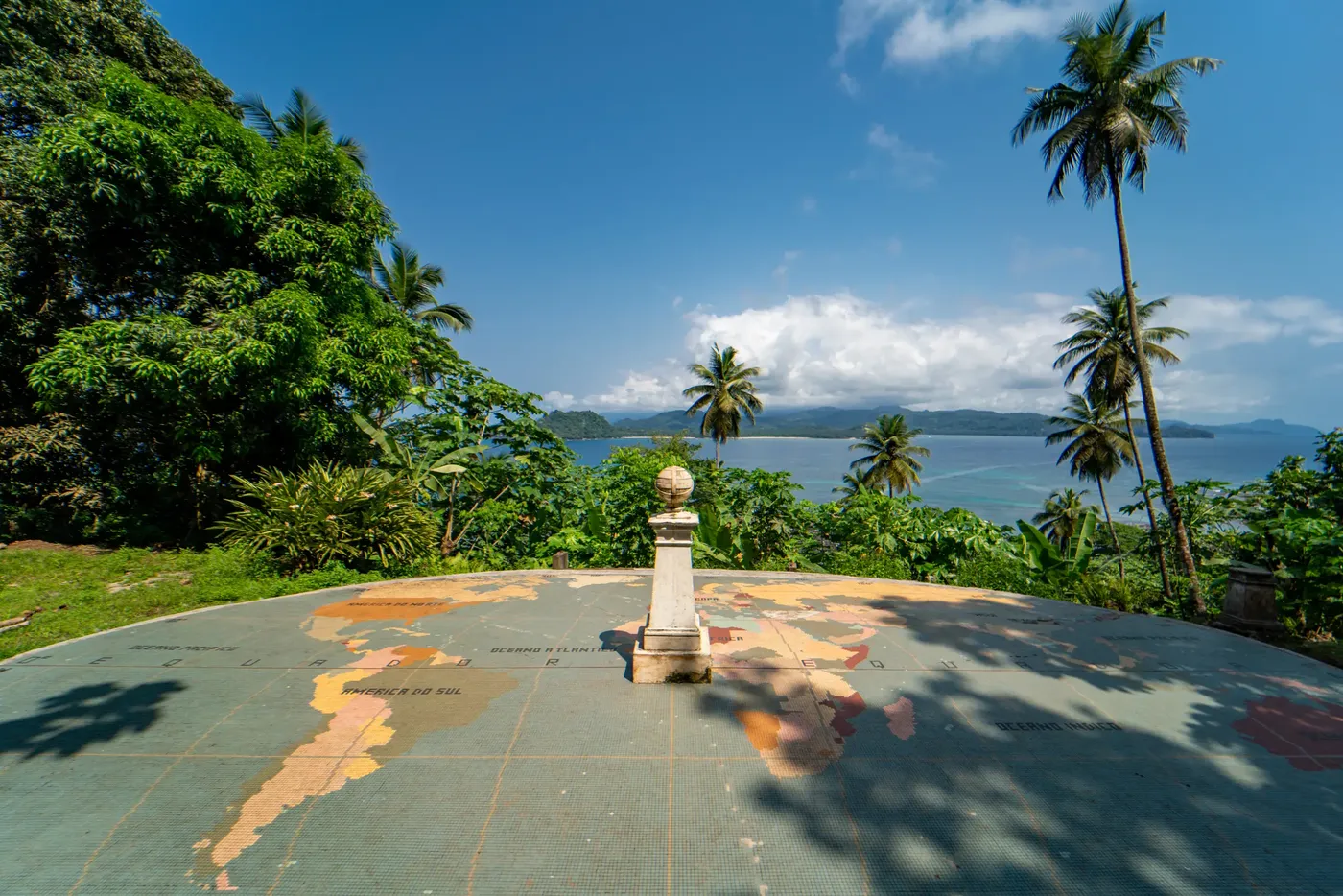
Rolas Island
The country's “third” island. The equator runs through it, and then there are beaches where you can truly feel like Robinson Crusoe.
02
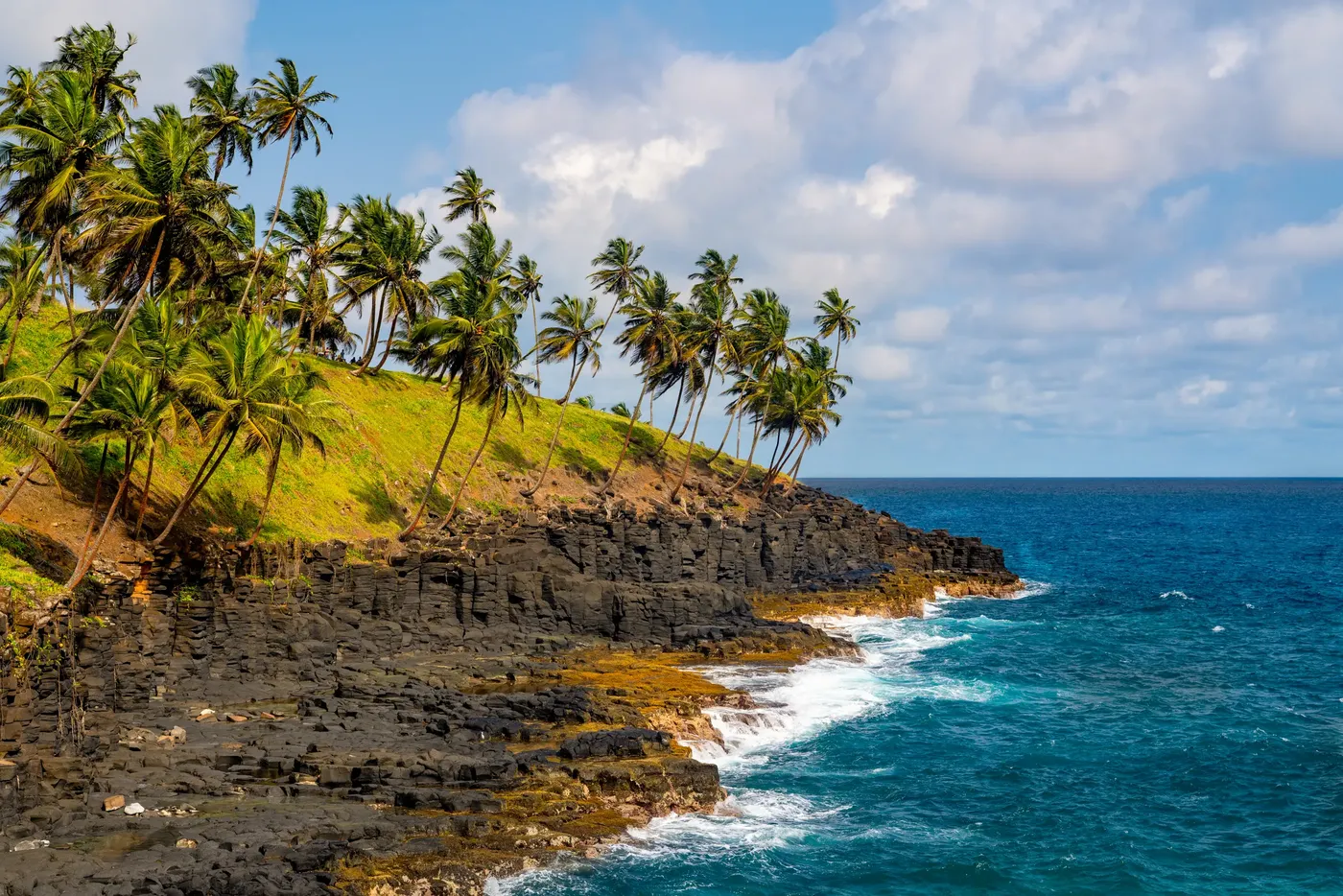
Boca do Inferno
The Mouth of Hell – a spot where waves crash with a hellish roar against a coastline formed by volcanic rock.
03
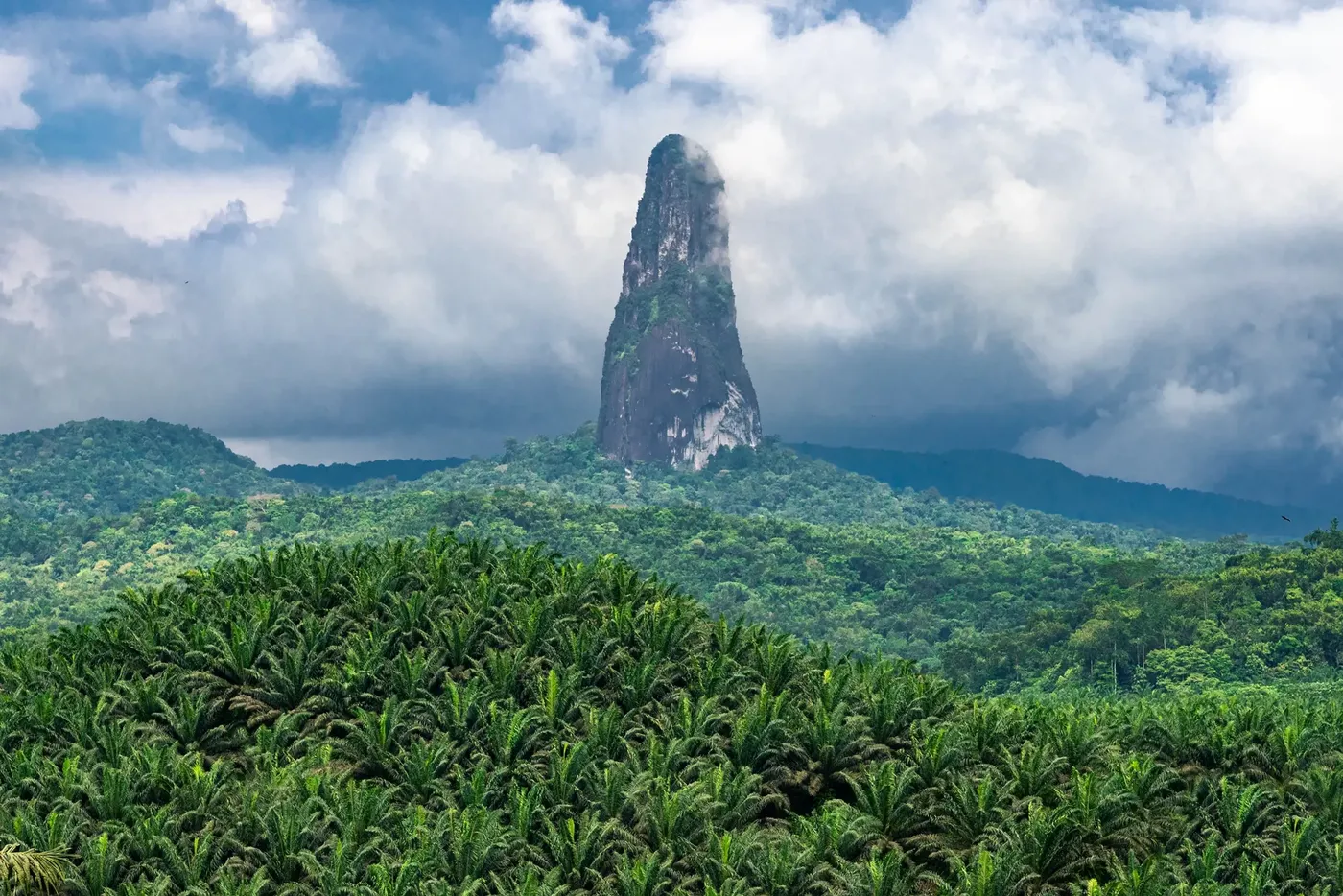
Pico Cão Grande
An iconic rock towering over the surrounding landscape.
04
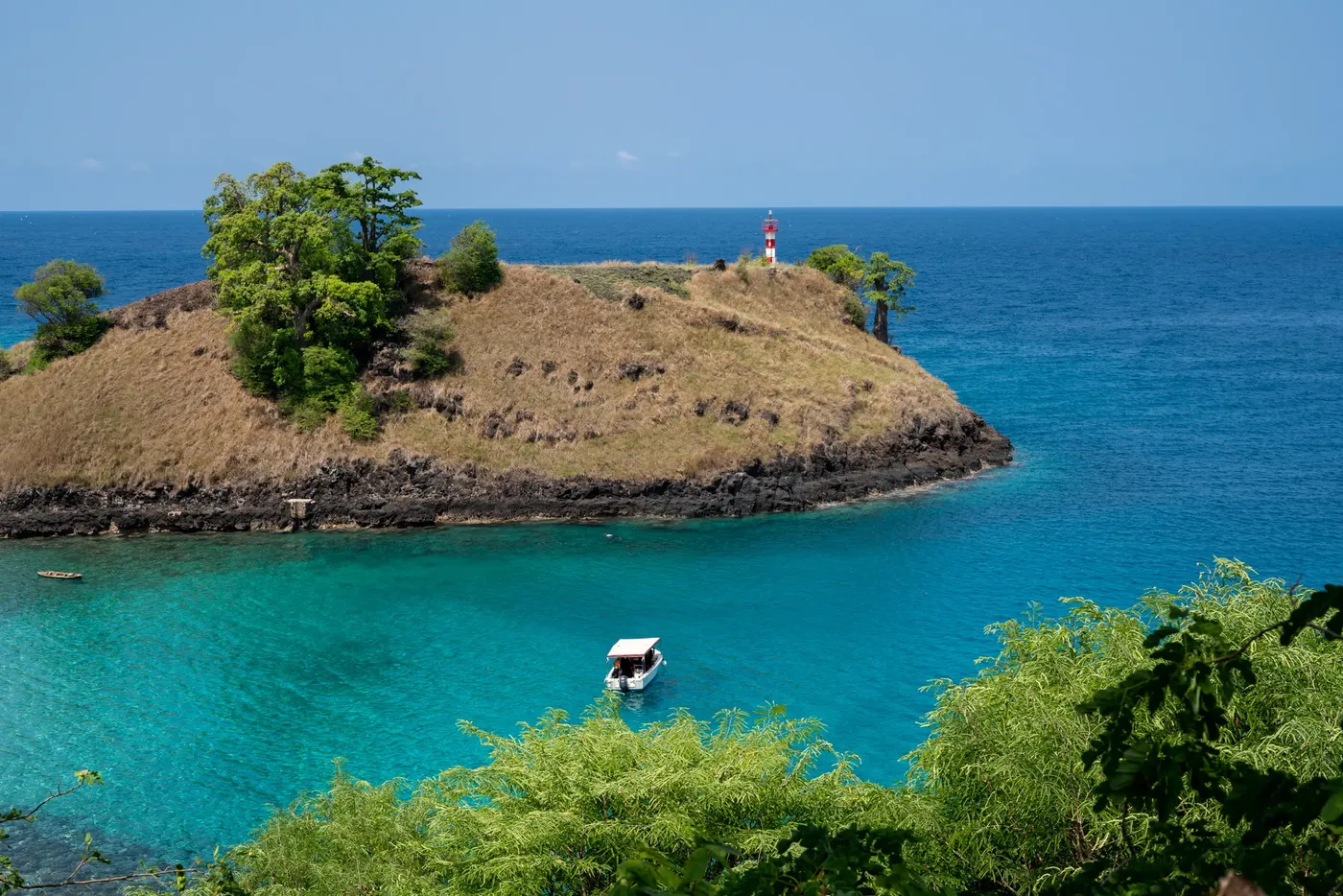
Lagoa Azul
A bay on the west coast of São Tomé boasting every shade of blue.
05
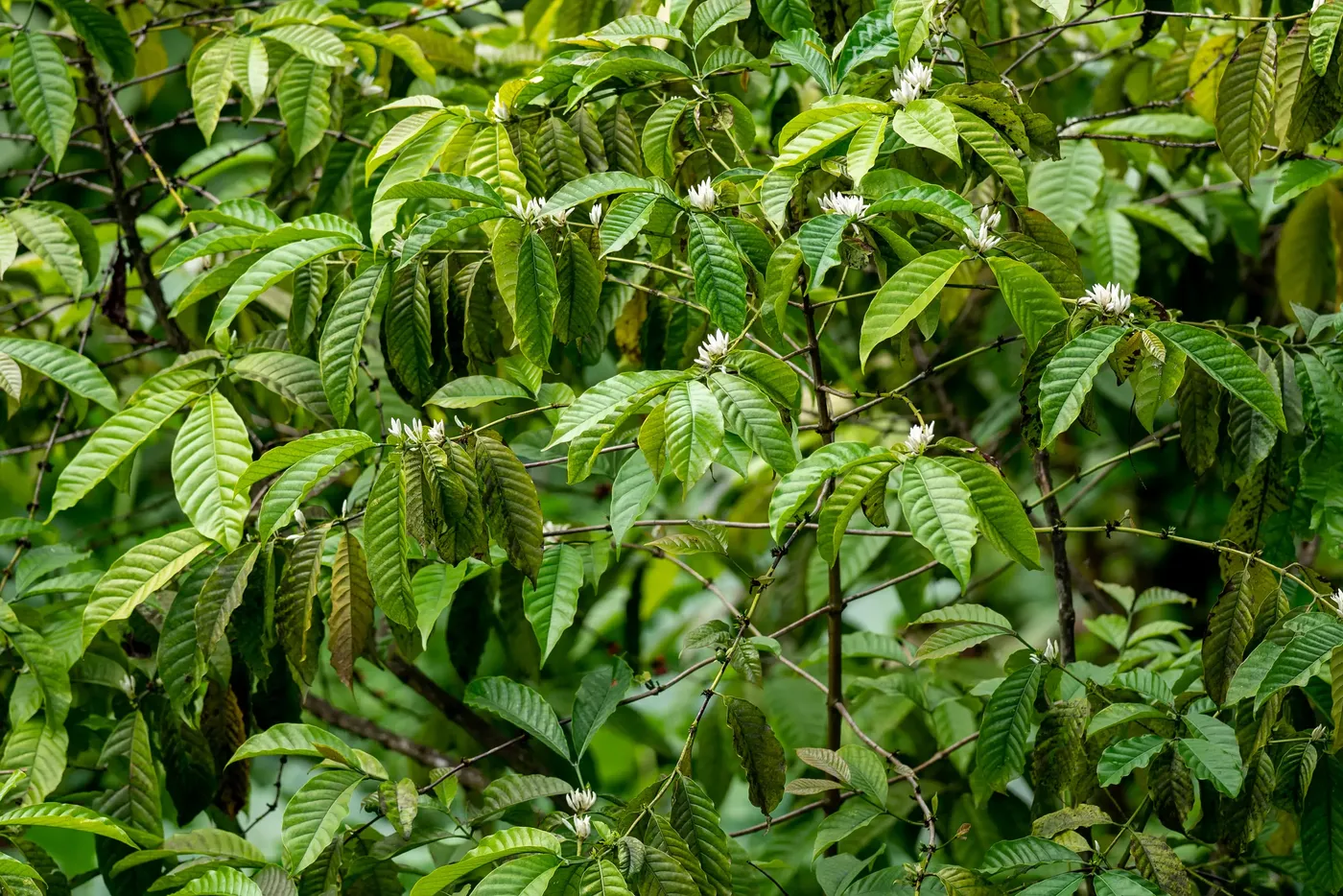
Monte Café
A coffee museum and a generally well-preserved colonial coffee plantation.
06
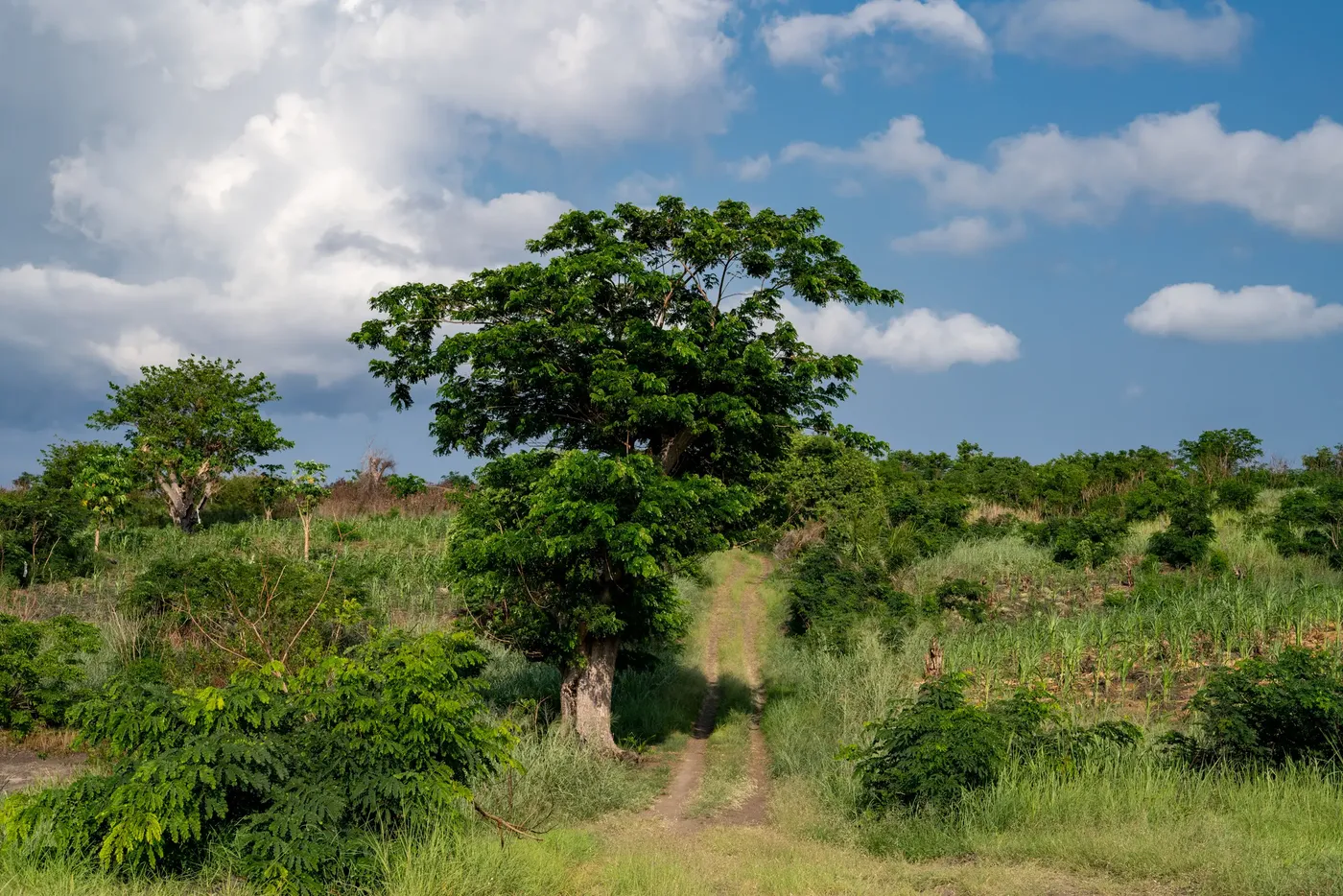
The Road to Santa Catarina
The road on the west side of the island – definitely one of the most beautiful roads in the world.
07
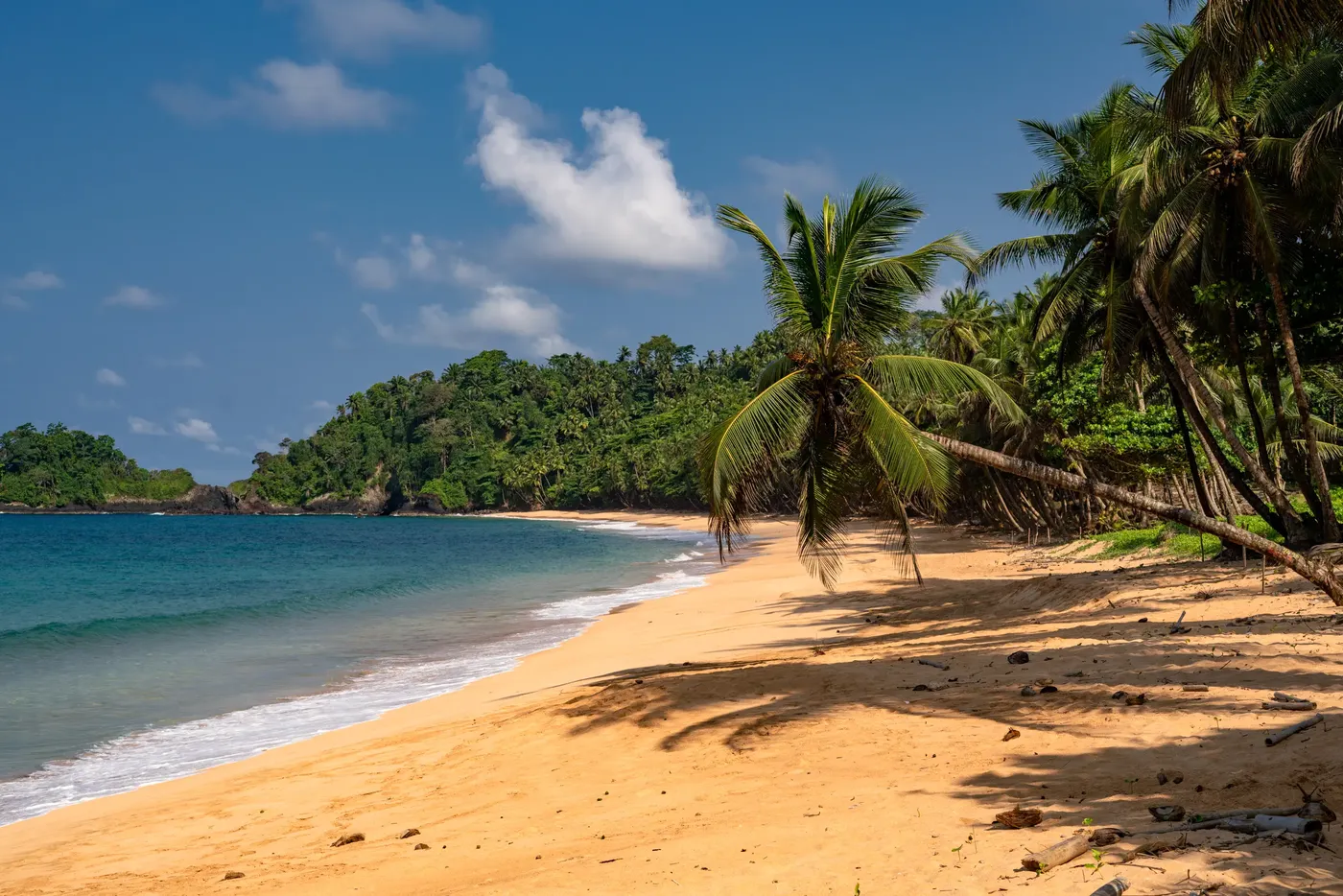
Praia Jalé
A gorgeous long beach in the far south. And the road to it is perhaps even more beautiful.
08
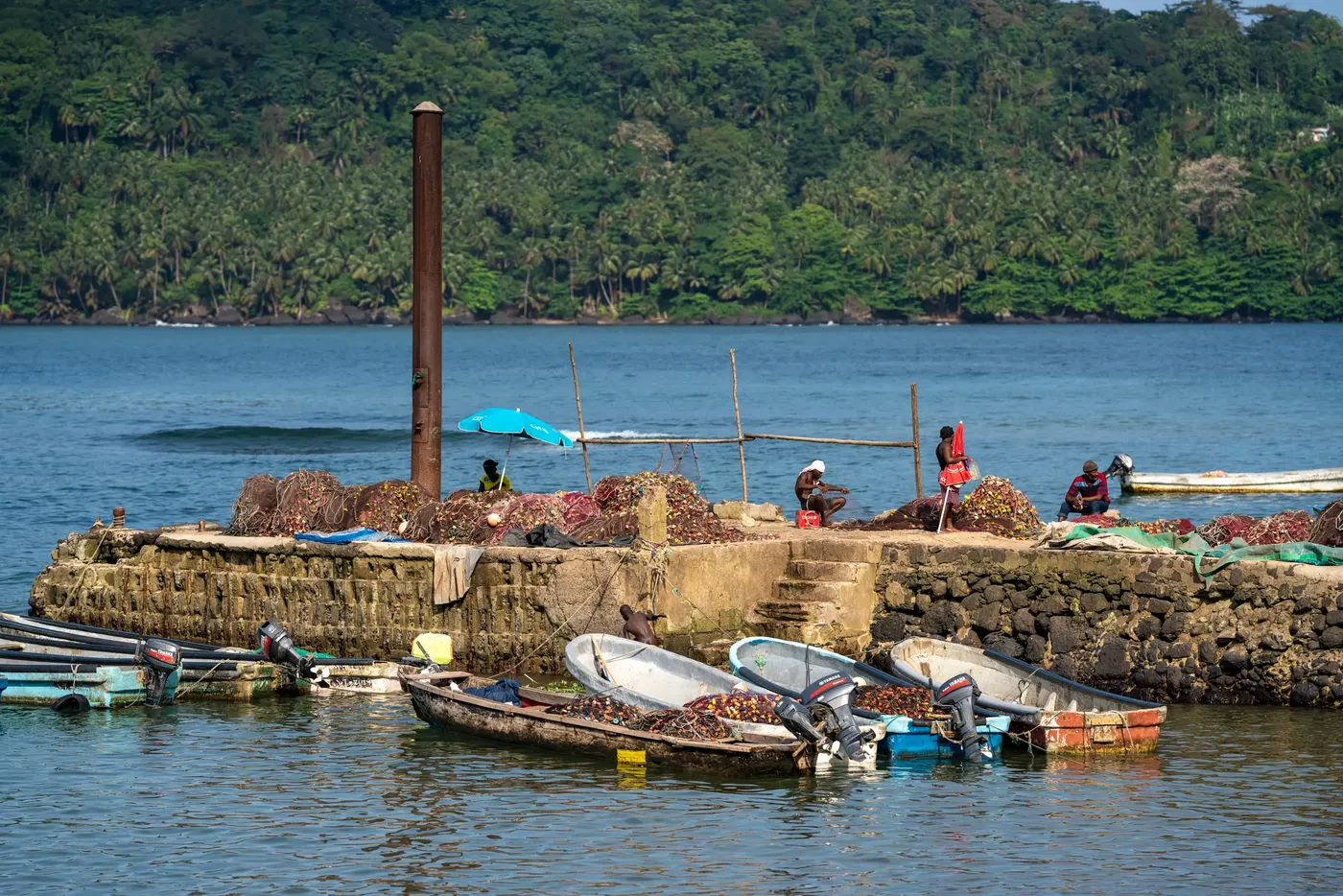
Porto Alegre
A picturesque little town with a grand name. And yet it's just a bit of a backwater. But it's lovely.
09
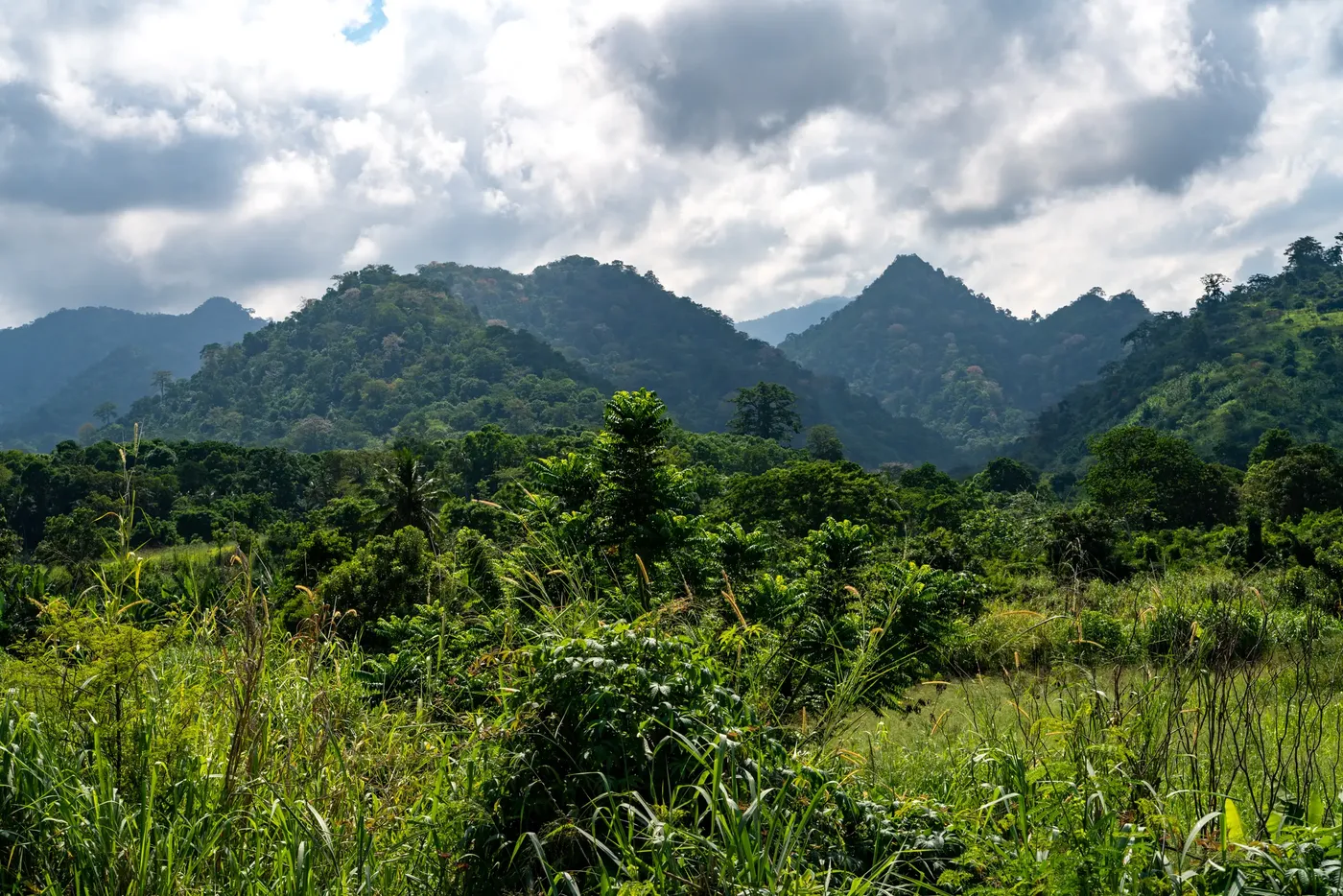
Obô National Park
A national park covering almost 1/4 of the island. You can do lots of treks in it, from easy ones like the one to Lagoa Amélia (that is, if you go from Jardim Botânico to Bom Sucesso and not, like me, from Monte Café) to a real killer of a climb up Pico de São Tomé.
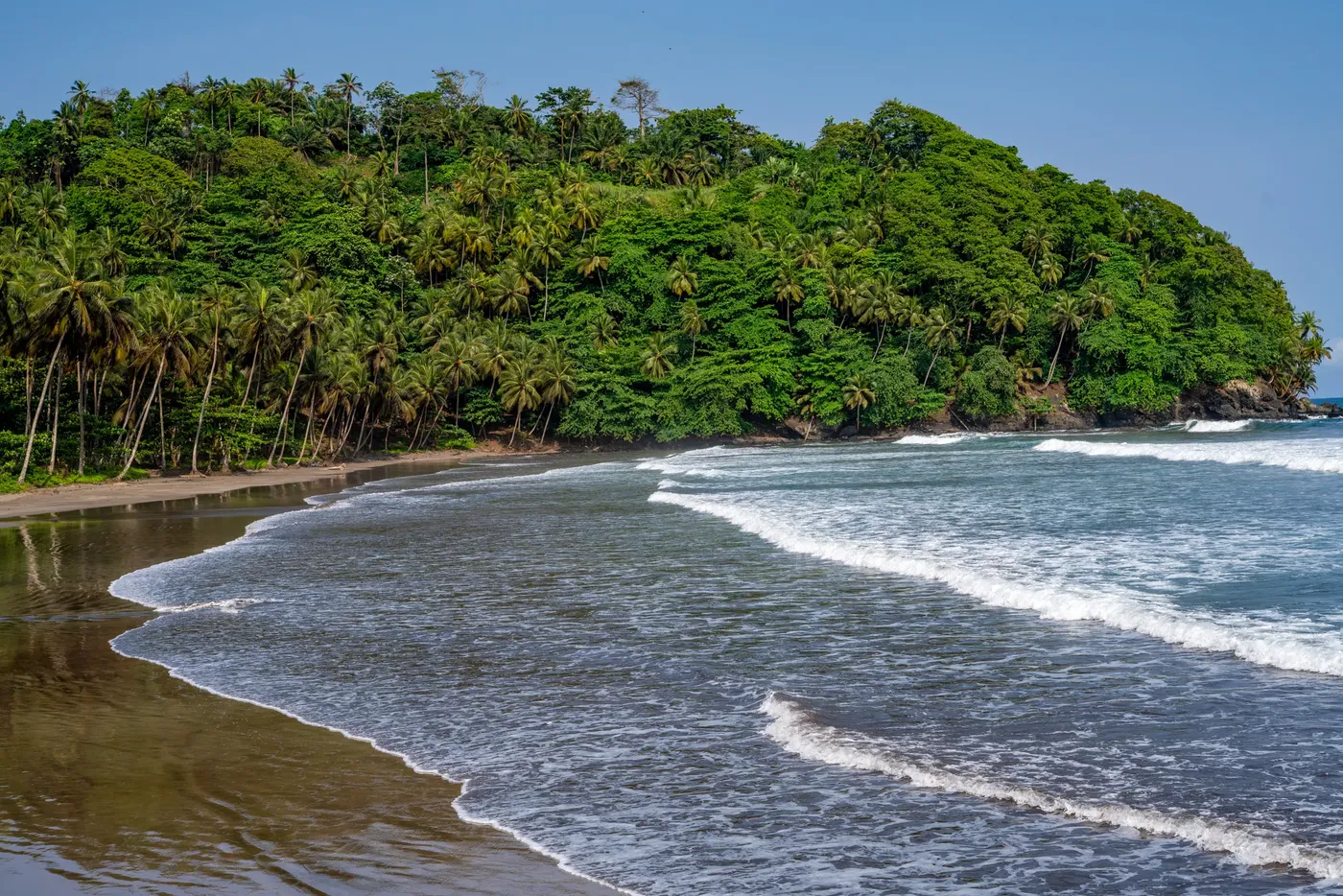
10
Praia Piscina
Another gorgeous beach. Picking just three is tricky, since on most of them you're on your own and they're all truly stunning.