

Nicaragua is a lesser-known but surprisingly diverse country full of contrasts – from volcanoes and jungles to colonial cities to mysterious places like Canta Gallo, with excellent coffee, rum and cigars. Every day is different here, things rarely go according to plan, and yet it all works naturally.Contents
A general impression
WHEN TO GO
Best during the dry season, from November to April, when the weather is most stable. From May to October, there is more rain, which makes the landscape beautifully green, but can sometimes complicate travel and bring a slower pace of travel.
FOR HOW LONG?
A short week-long visit will give you a basic picture, but if you can, and I recommend it, treat yourself to a month. Nicaragua is best experienced by slow travel between volcanoes, cities, jungle and ocean. And coffee, doitínki and rum.
DAILY BUDGET
Daily budgets vary greatly depending on your travel style, but generally expect to spend around $20-40 per day for low-cost travel and $50-100 if you want to indulge in more comfort. Nicaragua is relatively cheap, but transportation and tours can quickly add up.
VISA
Visas to Nicaragua are simple – you pay a $10 entry fee upon arrival or at the border and get a residence permit, usually for 90 days. The validity is also calculated for the entire region (so-called CA-4), so you share these 90 days between Nicaragua, Honduras, El Salvador and Guatemala
HOW TO GET TO NICARAGUA
The easiest way is to fly to Managua with a transfer in the US (or sometimes in Europe/Panama). You can easily arrive by land from Costa Rica, Honduras or El Salvador. A clever hack is to fly to Liberia in Costa Rica and then travel overland to Nicaragua – it’s often cheaper and more flexible
CESTOVÁNÍ PO NICARAGUI
Po Nikaragui se dá cestovat vlastně všemi způsoby. Nejlevnější jsou místní „chicken busy“, které jezdí skoro všude, ale počítejte s pomalejším tempem a větším dobrodružstvím. Pohodlnější variantou jsou sdílené colectivos, případně auto pro větší flexibilitu. Na některá místa se navíc dostanete jen lodí.
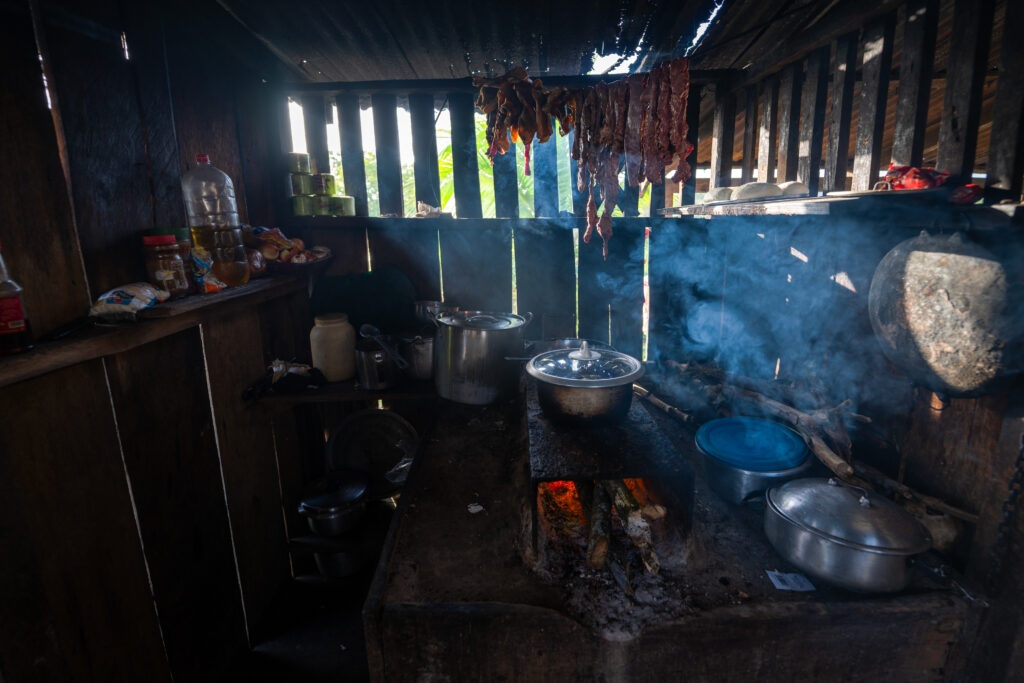
The journey, or when Nicaragua is the destination
By plane:
The most common option is to fly to Managua with a transfer. Either via the USA (typically with United Airlines) or via Panama with Copa Airlines (Panama is easy to get to from Europe). However, be aware that it is a long journey and often involves longer transfers. A smart alternative is to fly to Liberia in Costa Rica and then cross overland to Nicaragua. This is often cheaper and more flexible.By land:
From Costa Rica, the most common border crossing is at Peñas Blancas, or at less frequented crossings such as San Carlos or Los Chiles (often with a connecting boat).
In the north, there are routes through Honduras, the main crossings are El Guasaule and Las Manos. Alternatively, you can also come from El Salvador – not by road, but by boat across the Gulf of Fonseca between La Unión and Potosí. The connections are not exactly regular, but it is a more adventurous and less well-known way to get to Nicaragua.Visas: Visas to Nicaragua are easy. When entering, you just need to pay for a tourist card (about 10 USD) and you will receive a residence permit, usually for 90 days. But there is one but! This period is calculated for the entire CA-4 region, so you share those 90 days with Honduras, El Salvador and Guatemala. Be careful with that.
When: The best time to visit Nicaragua is from November to April, when the dry season arrives and travel is easiest. The Pacific side is sunny, hot and ideal for volcanoes and surf beaches at that time. The Caribbean, however, has its own rhythm, being wilder, wetter and a bit unpredictable all year round. Inland and in the mountains, the climate is more pleasant, while the jungle remains green, heavy and humid almost all the time. From May to October, the rains come, which beautifully transform the country, but also slow down travel and often mess up plans.
There is Nicaragua around, so…
- Language:
The official language is Spanish. In larger cities and tourist areas, you will occasionally hear English, but outside of these, you can expect to hear practically only Spanish. Creole English is also spoken on the Caribbean coast. - Currency:
The official currency is the Nicaraguan córdoba (NIO), but US dollars are widely accepted, especially in tourist areas. You can often pay in dollars or withdraw them directly from an ATM. - Credit cards and ATMs:
Nicaragua is largely a cash economy. You can pay by card in larger hotels, restaurants or supermarkets, but not elsewhere. ATMs are available in larger cities (Managua, León, Granada), but there are significantly fewer outside of them – it is always a good idea to have cash with you, ideally in smaller bills. - Plugs:
Plugs are type A and B (same as in the US). Standard voltage is 120 V and frequency is 60 Hz. - Cellular services and data:
Signal and data work well in cities and tourist areas, but outside of them (especially in the mountains, jungle or on the Caribbean coast) coverage is weak or non-existent. The main operators are Claro and Tigo. Prepaid SIM cards are easy to buy in cities and at the airport, but as elsewhere, they tend to be more expensive at the airport.

Accommodation, food and general prices
Nicaragua is cheaper than you might expect, but it’s definitely not a bargain. It’s still one of the more affordable countries in Central America, but prices can sometimes surprise you in the tourist areas. A lot depends on your travel style – low-cost works easily here, but once you start to indulge in more comforts, your budget grows quickly.
Transport
The only minor traffic “hell” in Nicaragua is the fact that people drive slowly almost everywhere, often around 50 km/h. So you have to prepare for real slow travel, where distance does not mean time and everything takes a little longer.
- Car
Renting a car makes a lot of sense if you want freedom. The main roads between cities like Managua, León or Granada are in very good condition. The smaller roads are often in surprisingly good condition, often with a surface of interlocking paving stones instead of asphalt. This makes a car often the most efficient way to get to more remote places. However, in the mountains and really remote areas the surface can turn to dust or mud, especially after rain. Driving is otherwise fine, just expect a slower pace and occasional chaos. - Chicken bus & colectivo
The cheapest and most authentic way to get around. Old American school buses go almost everywhere, but they are slow, crowded and without a fixed schedule. Colectivos, which are minivans, are a bit faster and more comfortable, but it’s still more about patience than comfort. - Boat
There are some places you can’t get to except by water. Typically Ometepe Island with a ferry from San Jorge or more remote areas in the southeast. The cruise from San Carlos to El Castillo and on towards San Juan del Norte is one of the slower but more powerful experiences. - Hitchhiking
Hitchhiking works surprisingly well, especially off the main routes. But communication is key, and you won’t be able to get by without basic Spanish. The locals are open and will often stop, but it all depends on your agreement and ability to communicate.
Nicaragua is not about one “must-see” place, but about a whole mosaic of experiences. Every corner of the country offers something different. From active volcanoes to colonial cities to forgotten buildings in the middle of the jungle. And in Nice, more than anywhere else, the most interesting moments come off the beaten track, somewhere in between.
Volcano Telica
One of the most active volcanoes in the country, where you can reach the very edge of the crater and literally hear it breathing. Spending the night at the top is an intense experience—wind, silence with a deep rumble as an undertone, and the feeling that you are very far from everything.
Matagalpa
Green mountains and coffee plantations give this region a completely different atmosphere from the rest of the country. It’s a place for slowing down—mist, rain, and long conversations over strong coffee.
Rio San Juan
A river that sets the pace for everything around it. Traveling between San Carlos and El Castillo feels like stepping back in time, where things happen slowly and without haste.
Volcano boarding
Riding down an active volcano on a board sounds like a crazy idea—and it absolutely is. Dust, speed, and laughter you can’t really control.
Canta Gallo
A mysterious place at the very edge of the map, where the road ends and another world begins. An area connected with the Rama community has a unique, hard-to-describe atmosphere that stays with you.
Leon
Rougher, more vibrant, and more “real” than the rest of Nicaragua. Colonial architecture, revolutionary history, and an energy that either grabs you—or not at all.
Granada
Colorful, calmer, and more polished than León. Ideal for a first introduction to the country—colonial houses, cafés, and a slower pace.
Ometepe
An island in the middle of a lake formed by two volcanoes. A place where it’s easy to lose yourself for a few days among the jungle, views, and the slow rhythm of life.
Indio Maiz
One of the wildest areas of Nicaragua, where the jungle truly begins to feel like jungle. Silence, humidity, and the sense that you’re a guest in something much bigger.
Jiquilillo
A forgotten beach in the north where not much happens—and that’s exactly its charm. Long, empty stretches of coastline, wind, and the feeling of being completely off the beaten path.
Accommodation, food and vibe
- Accommodation..
.. is simple, but mostly clean and functional. The backpackers scene is good here (mainly León, Granada, Ometepe, San Juan del Sur), but once you get off the main routes, the standard drops quickly – and that’s actually part of the experience. Outside of these areas, the offer is still surprisingly wide, you just have to look a little. In the jungle, the rules change completely and you often end up in a hammock with a mosquito net, which is more of an experience than a comfort. - The food
is simple and filling. The classic is gallo pinto (rice with beans..breakfast, lunch, dinner..), fried plantains or chips made from them, fried cheese, and chicken or beef. No great gastronomy, but it works. The best food is found in small local “comedors” or markets. By the sea, around Lake Nicaragua and in the Rio San Juan area, fish is often found, which is among the best that the local cuisine has to offer.
And then there are three things that deserve their own chapter:
- Rum
Rum is everywhere in Nice and it’s good (although not as great as in Panama). The most famous and actually you can buy it almost everywhere is Flor de Caña. Rum is often drunk in the Coco Loco drink. This is a mixture of rum, coconut water and sometimes pulp, often served directly in a coconut (final ratio about 1:1). And what’s bizarre is that it’s common for rum to be sold in 1.5l PET bottles. - Nica coffee
produces great coffee, especially in areas like Matagalpa or Jinotega. Really great, I personally have had a lot of fun with it 🙂 - Cigars
Nica is one of the largest producers of cigars in the world and the quality is really high. Areas like Estelí are famous for their production and if you are even slightly interested it is worth visiting a local factory or a small family production. Cigars here are significantly cheaper than in Europe and often much more authentic. Not a souvenir, but a real craft.
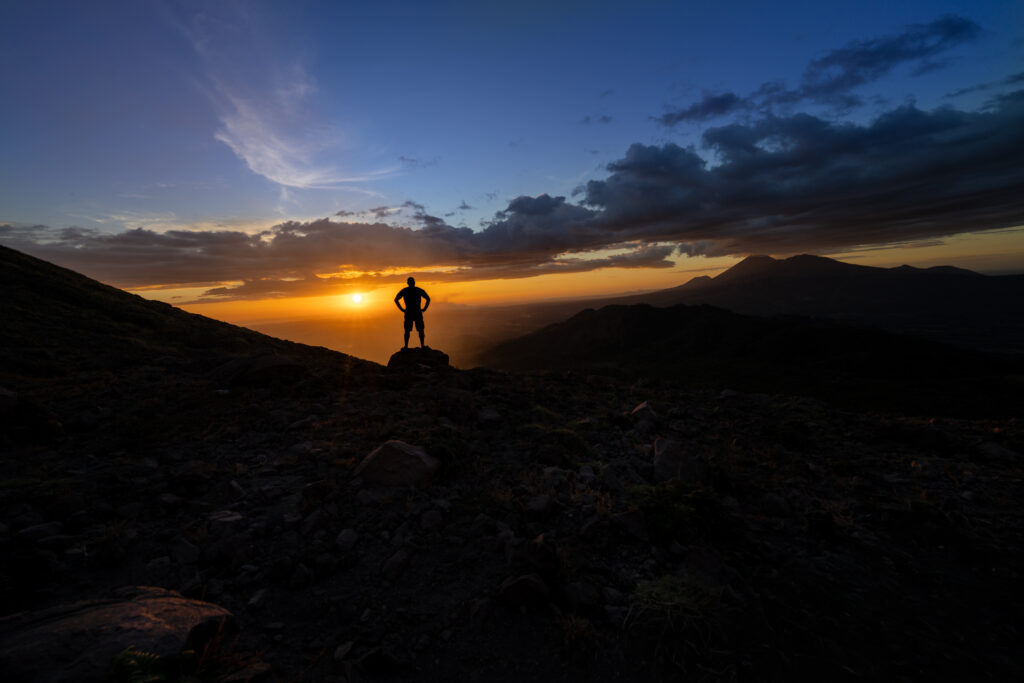
¡Así que vámonos y nos vemos en Nicaragua!
Views: 136