WHEN TO GO
In my view, you can go to Vietnam all year round. You just always need to think about where. When the monsoons hit the south, the north is lovely. In winter, on the other hand, it can even snow in the mountains around Sapa in the north, while the south is absolutely superb.
HOW LONG FOR?
Something between three weeks and two months is ideal. A lot depends on how you'll get around and what you want to see. And also on whether you're flying in and out of the same place or travelling north to south (or the other way round). Then time works in your favour.
DAILY BUDGET
Vietnam is cheap. Really cheap. Especially the food. I'm talking about lunch for 15 CZK here. In tourist spots it's more, of course, but in general you can keep your daily budget (including accommodation and a motorbike) to around 20 EUR/day.
VISAS
Czech citizens need a visa to visit Vietnam. There are actually 3 options: an e-visa (online application), a visa on arrival, and a visa through the embassy in Prague. You also need a passport valid for at least another 6 months from the date of entry.
GETTING TO VIETNAM
Getting to Vietnam from the Czech Republic is fairly easy. Every flight involves a change, though. The choice is between the southern route (Qatar, Emirates, Turkish, KLM) or the northern one (various Chinese airlines).
GETTING AROUND VIETNAM
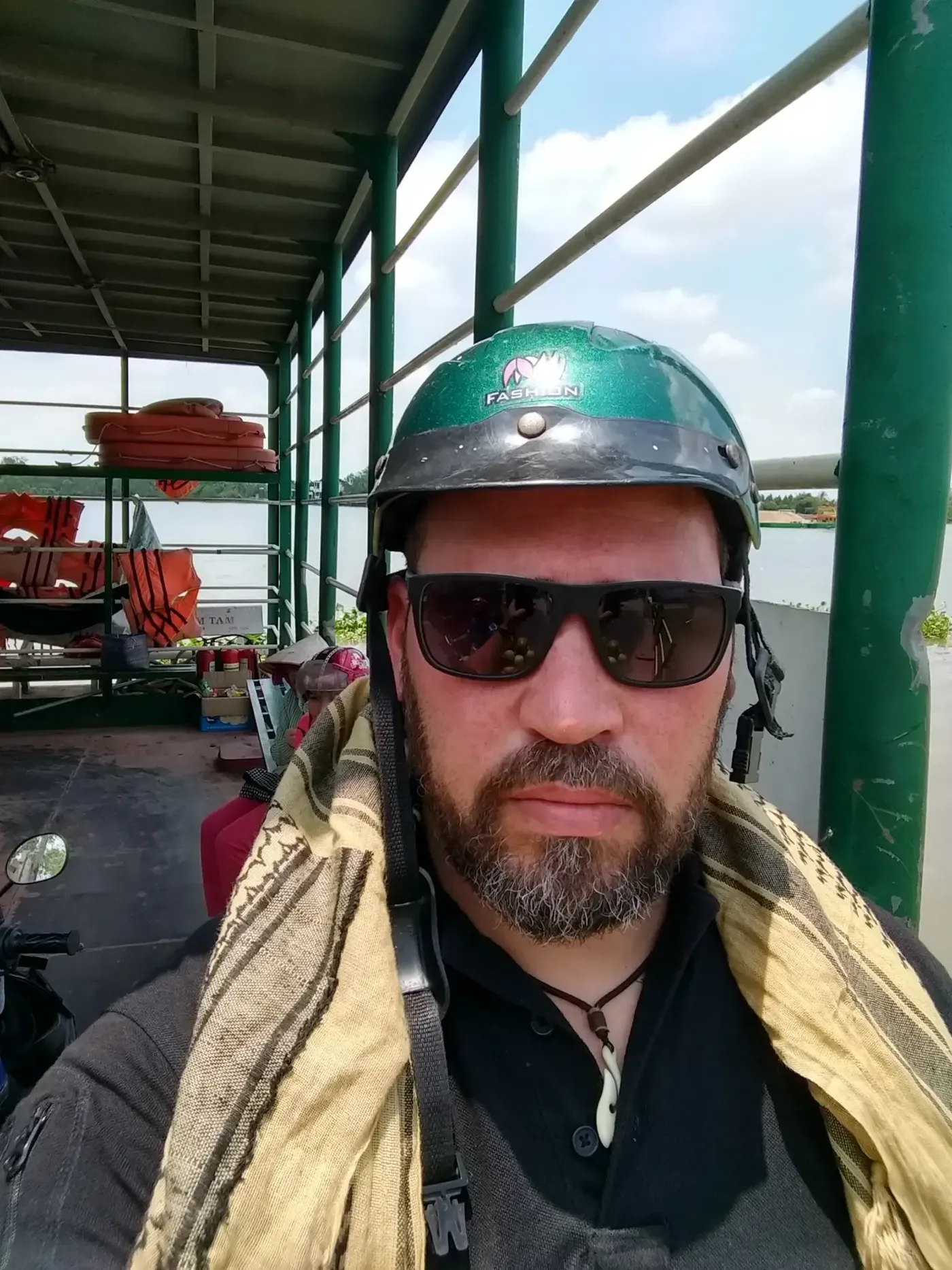
How to get around Vietnam is a chapter in itself. You can fly or take buses. But for me the best option is to rent a motorbike and get around like the locals.
Vietnam is cheap. Really cheap. Especially the food. I'm talking about lunch for 15 CZK here. In tourist spots it's more, of course, but in general you can keep your daily budget (including accommodation and a motorbike) to around 20 EUR/day
Getting there, entry requirements and more
Flights
Getting to Vietnam from the Czech Republic is fairly easy. Every flight involves a change, though. The choice is between the southern route (Qatar, Emirates, Turkish, KLM) or the northern one (Aeroflot).
I chose Qatar, as it lets you combine arriving in Saigon (Ho Chi Minh City) with departing from Hanoi. Which ultimately saves quite a lot of time.
Visas
- E-visa – you register online (https://evisa. xuatnhapcanh. gov. vn/trang-chu-ttdt), pay, and receive the visa itself online too. On arrival you just get a stamp in your passport. For me, the simplest option
- On arrival – you register online, pay a fee for the approval letter and get the visa itself after a short wait at the airport in Vietnam
- Visa through the embassy – if you're going to Vietnam as a tourist, this is the option for masochists.
You also absolutely must have a passport valid for at least 6 months or more from the date of entry into Vietnam.
In Vietnam
Services
- Accommodation: depends directly on location and quality. In small villages you can find it for as little as 1 USD, but typically we're talking about around 100,000 VND for a dorm
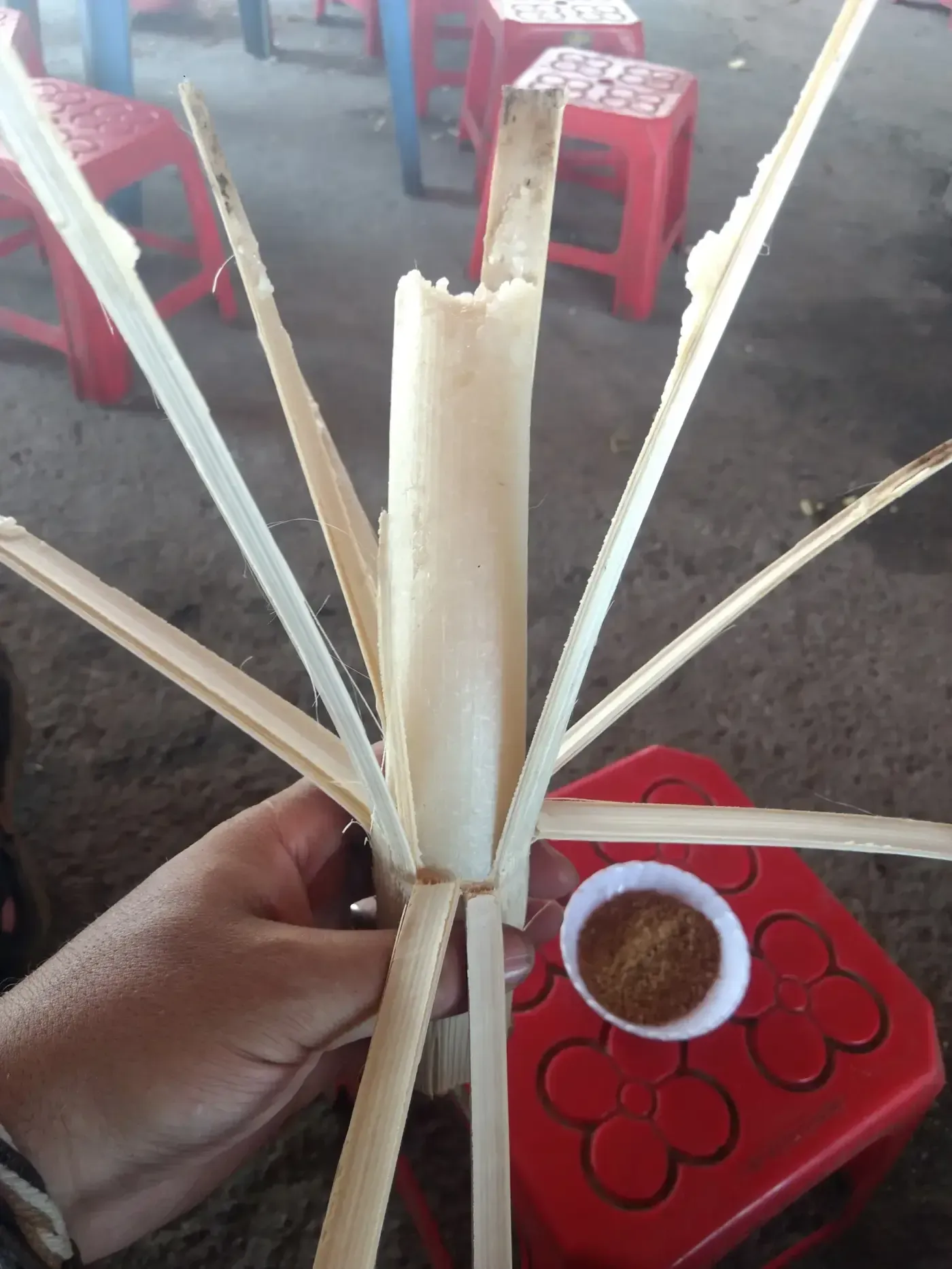
- Food: Vietnam is the perfect country for food lovers. You can eat superbly in small eateries, at street stalls and in luxury restaurants alike. Food prices in Vietnam are very low and depend on the location (in tourist spots they can really bump them up) and the season. So what are they actually like? In a cheap restaurant a meal costs 15,000 to 30,000 VND. The cheapest are the roadside stalls outside the cities. There, PHO can cost as little as 5,000 VND (whereas in Hanoi it can be as much as 40,000 VND)
- Internet: the best way to get mobile data is to buy a standard prepaid SIM card. They're sold literally everywhere. The best value providers are VietTel and Vinaphone. As for connectivity, apart from a few places it was stable and fairly good everywhere. And as a fallback there are always widespread free hotspots (practically every restaurant has one).
- Renting a motorbike/scooter: you can rent a motorbike anywhere, even without a licence. All you need is your passport and money. The price ranges between 5.12 USD/day depending on the rental period. And what's driving in Vietnam like? There's something about that here -doplnit
Travelling around Vietnam
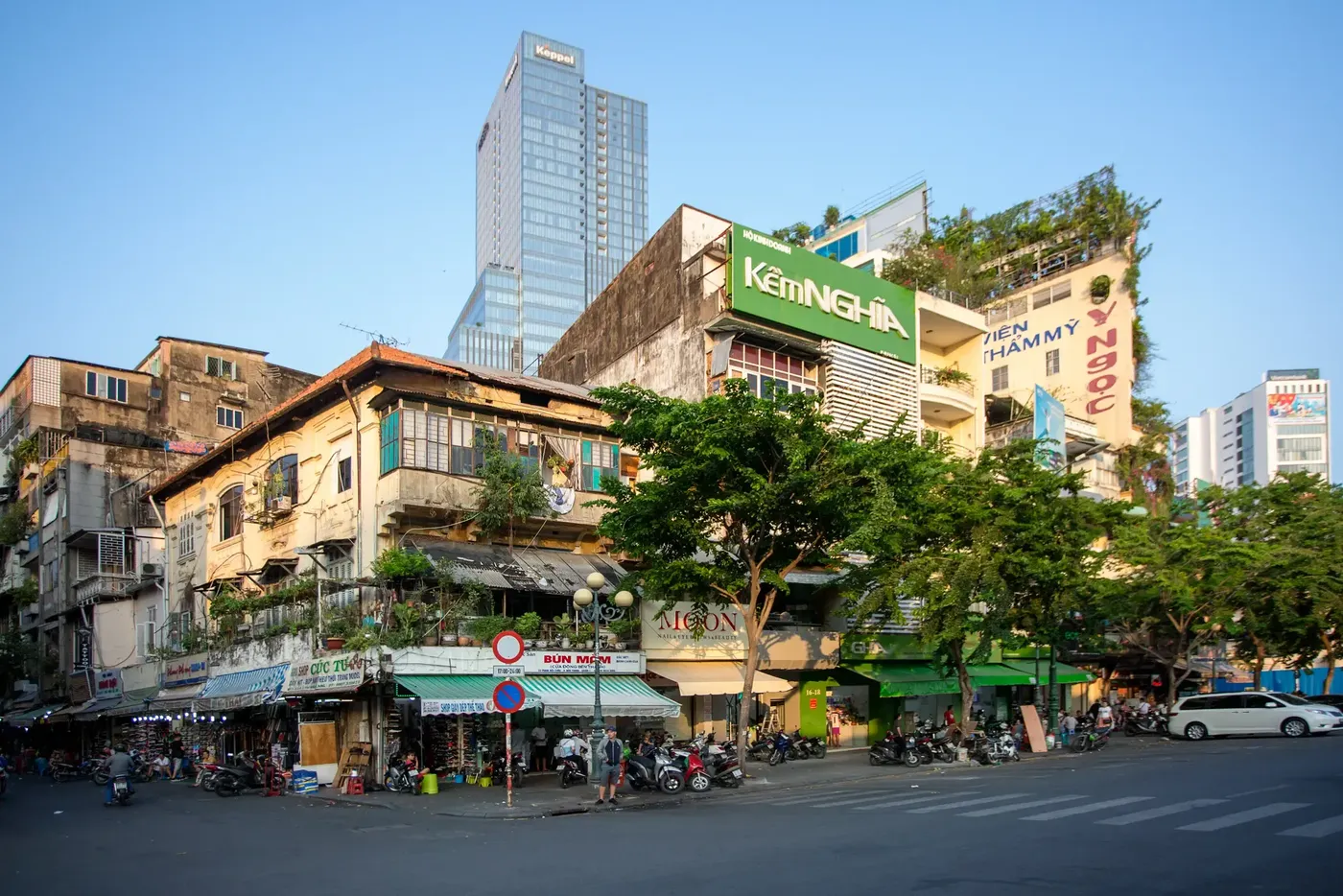
Part 1: Saigon and the Mekong Delta
The southern route, starting from Saigon. It mainly follows fairly good tarmac roads, and between the islands you sometimes need to take a ferry. The whole route takes around 1–2 weeks
Part 2: Dalat and around
A route around Dalat ending at Pongour Waterfall. You can get from Saigon to Dalat by motorbike, by bus or by plane. The whole route takes around 3–5 days.
Part 3: Hanoi, Cat Ba and the mountains of northern Vietnam
A loop around northern Vietnam taking in the main sights as well as wandering through places off the tourist trail. Overall the route follows good roads, though in the mountains you have to reckon with (occasionally) brutal gradients. And you get to Cat Ba by ferry.
The whole route takes around 14 days, but I'd rather give it 20.
Places of interest
01
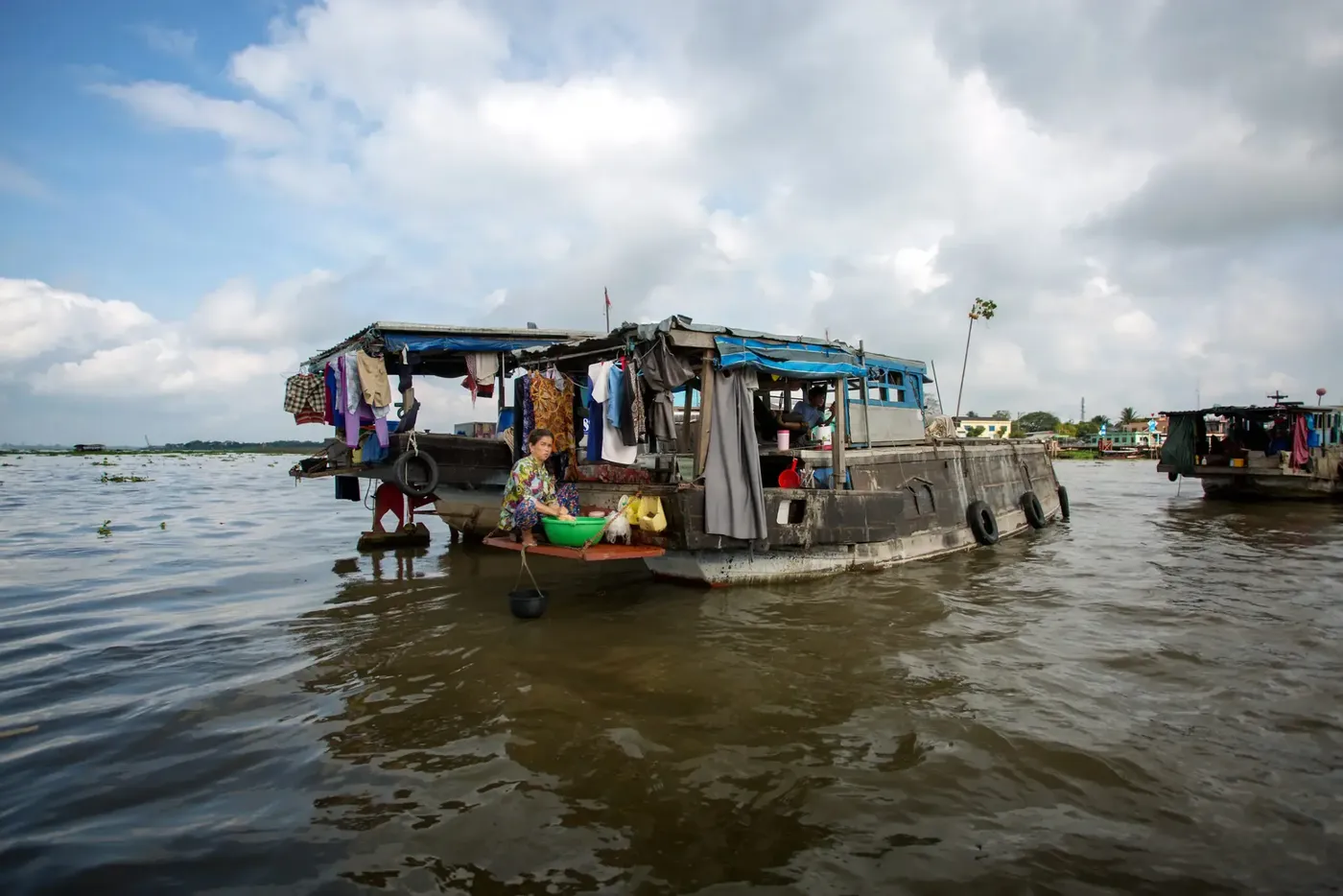
Mekong Delta
The delta is a distinctive water world that moves to the rhythms of the mighty Mekong, where boats, houses and markets float along countless rivers, canals and creeks.
02
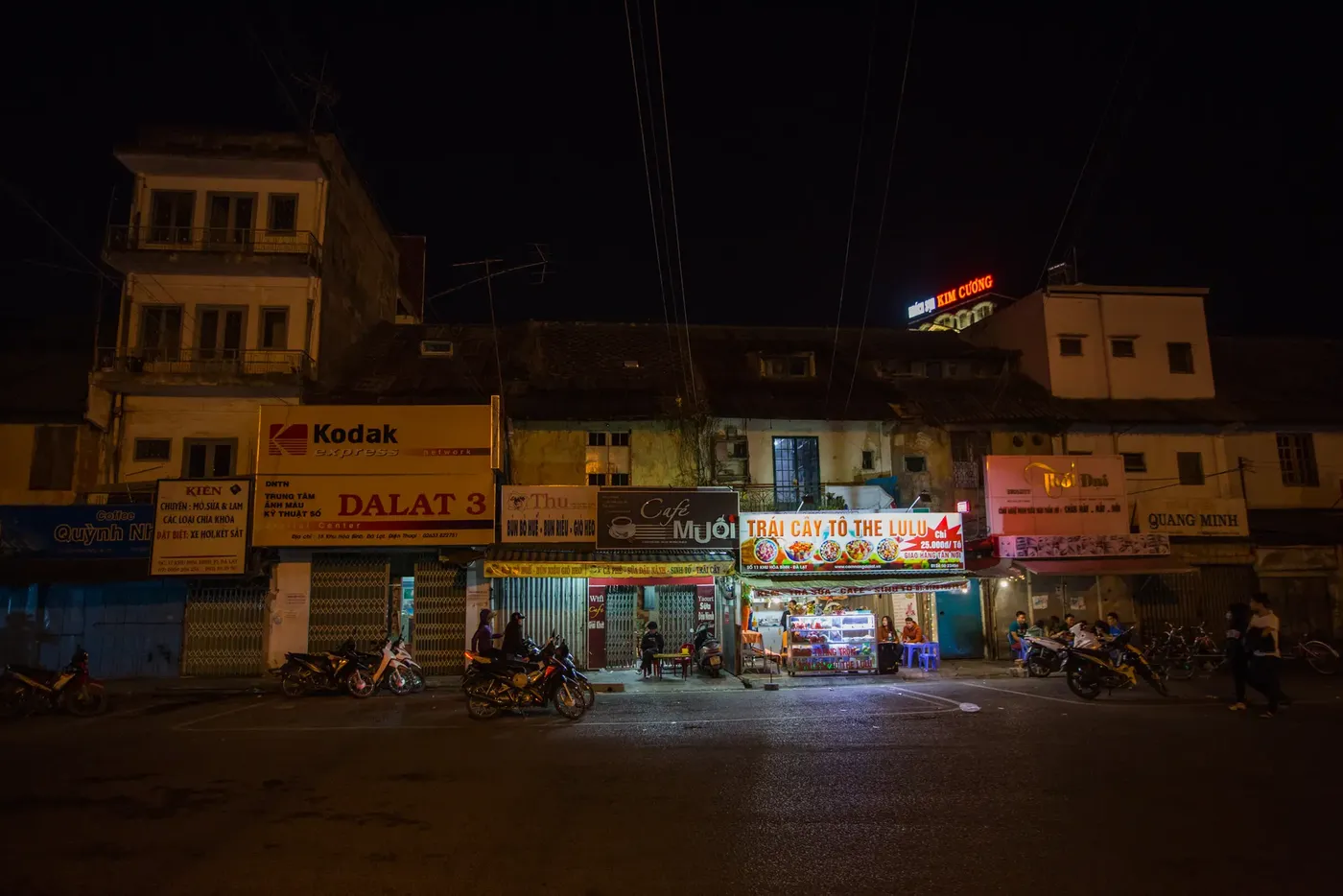
Dalat
Dalat is said to be the city of a thousand flowers and fresh vegetables. Nearby, Pongour Waterfall is definitely worth a visit too.
03
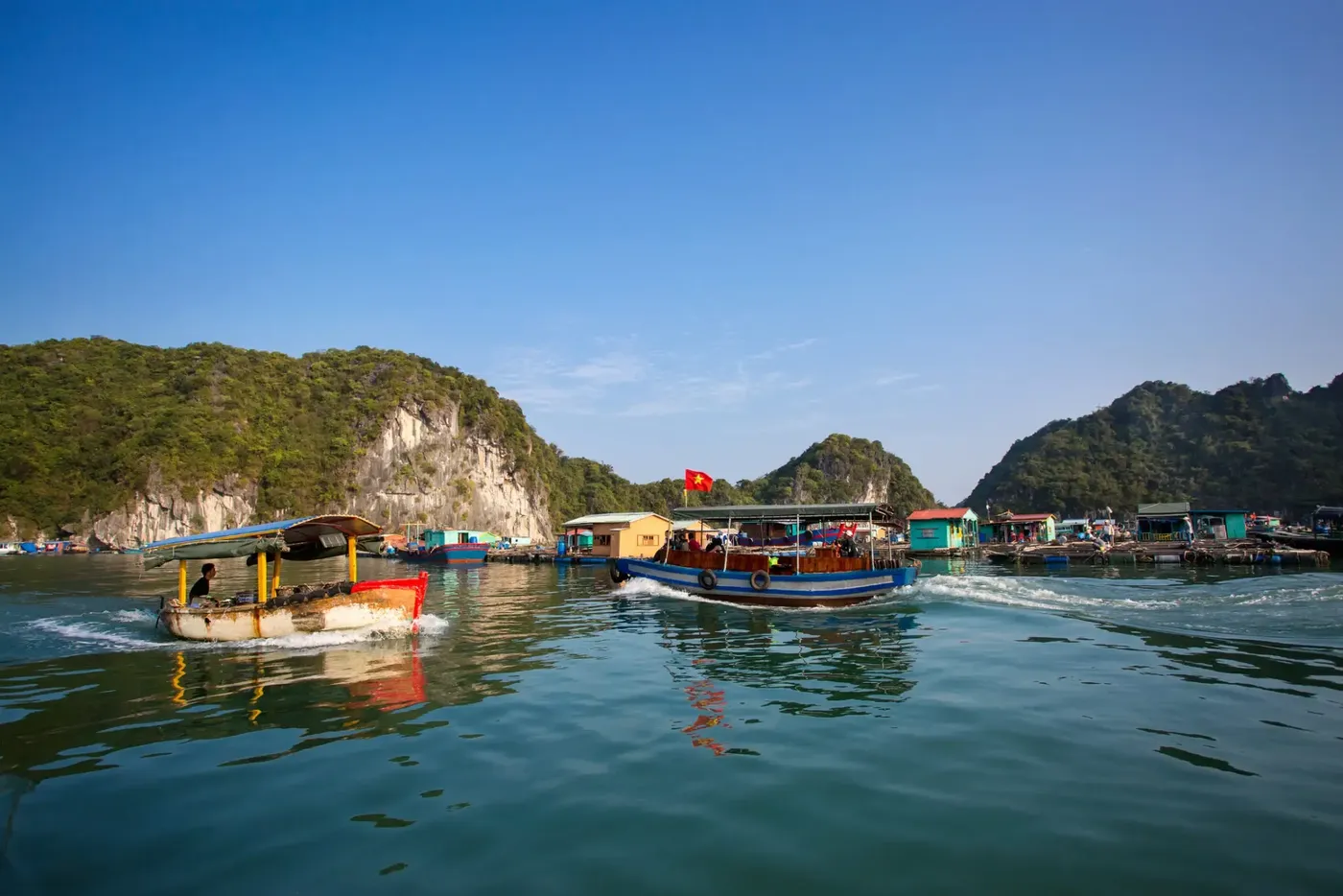
Cat Ba
Cat Ba Island is a fairly quiet place with several small but pretty beaches, a rich history and, above all, it's the gateway to Ha Long Bay.
04
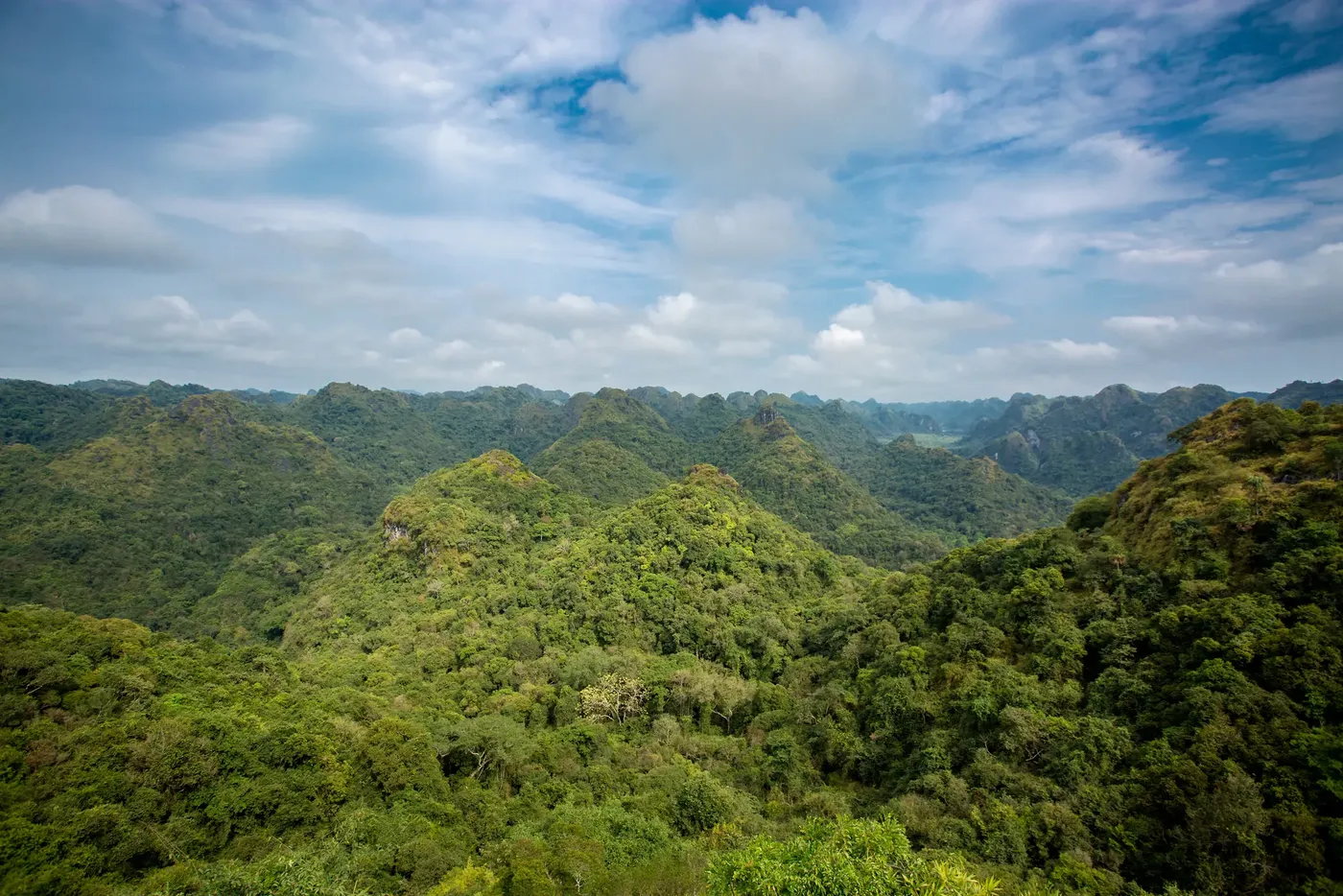
Ninh Binh
Limestone karsts covered in dense, glowing green vegetation rise from the rice fields like the backs of a mythical dragon, mirrored in every body of water.
05
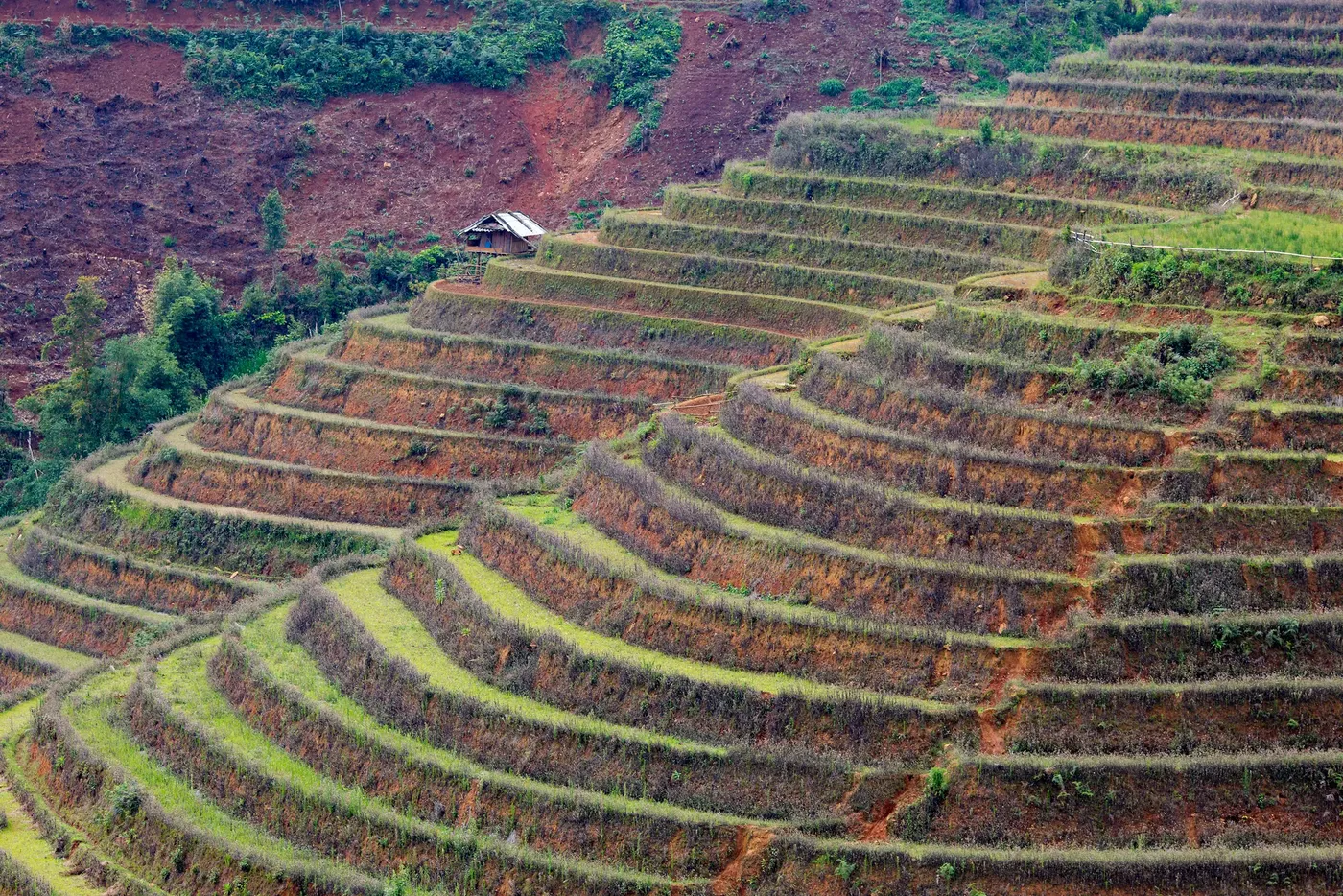
La Pan Tan
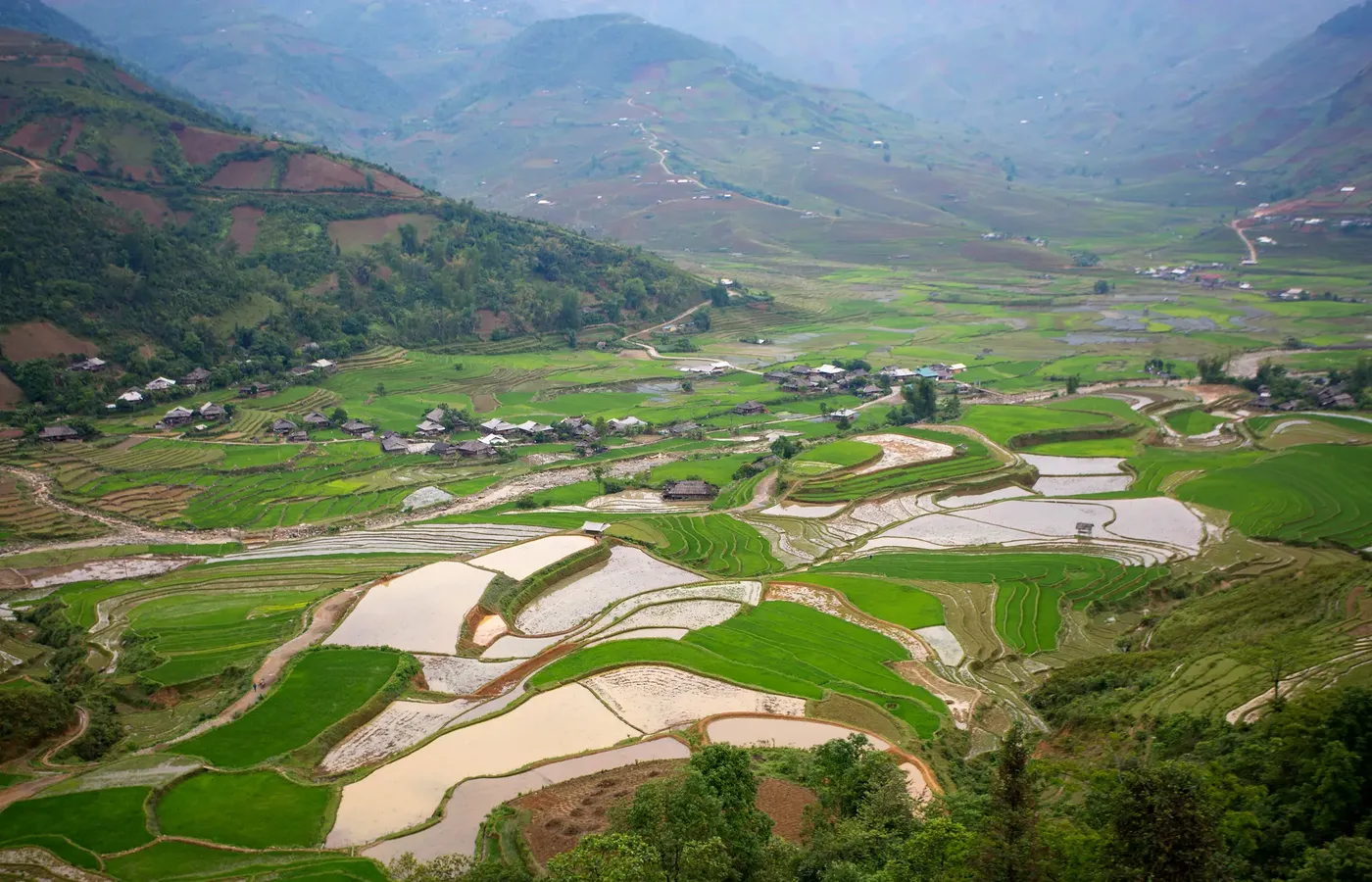
The hills and landscape around the village of La Pan Tan offer the most beautiful terraces in Mu Cang Chai district and probably in all of Vietnam.
06
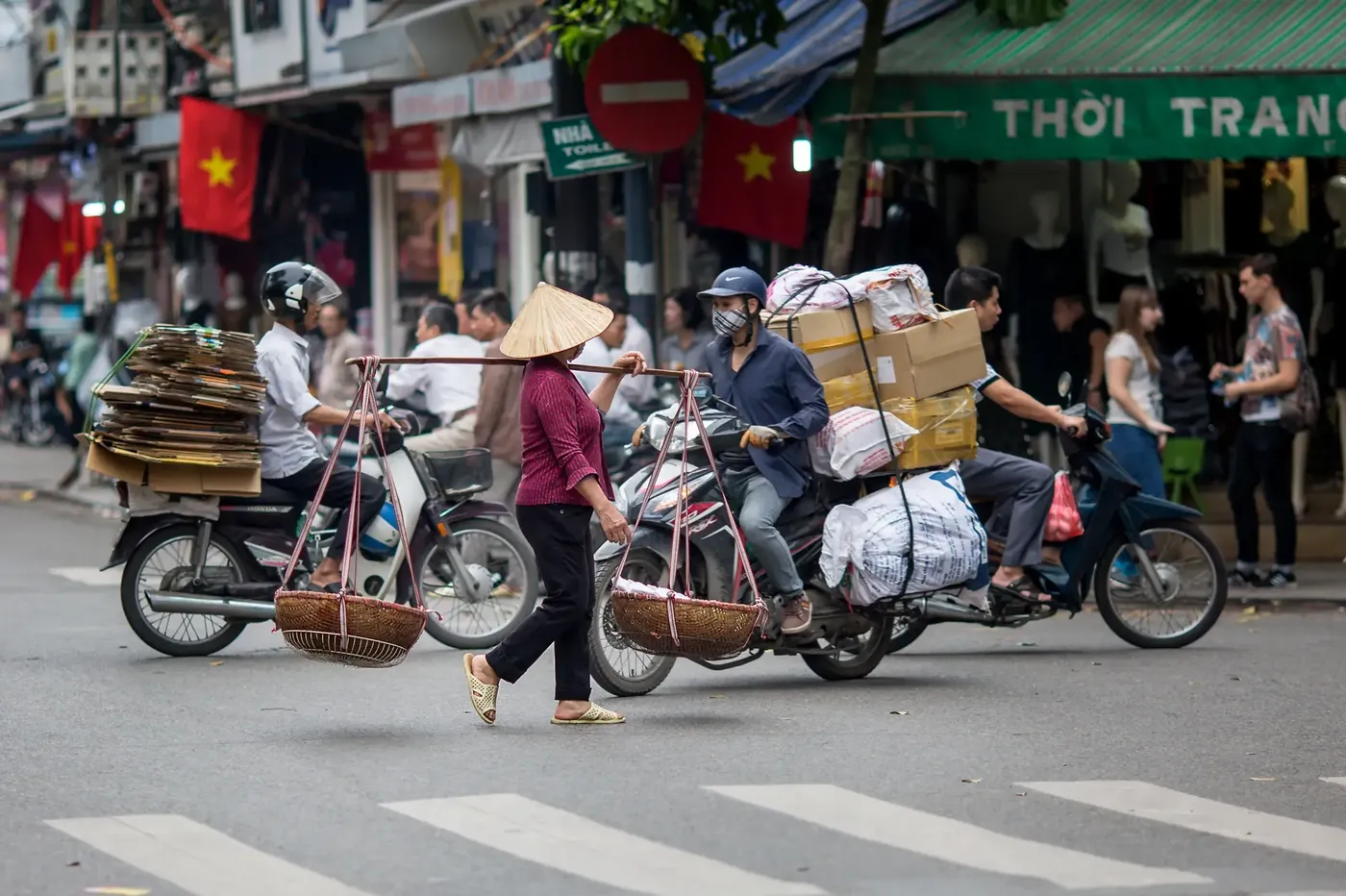
Hanoi
On the one hand, Vietnam's capital is a very lively, pulsating place, but on the other you can find peace in the lanes of the Old Quarter or around the lakes in the centre.
07
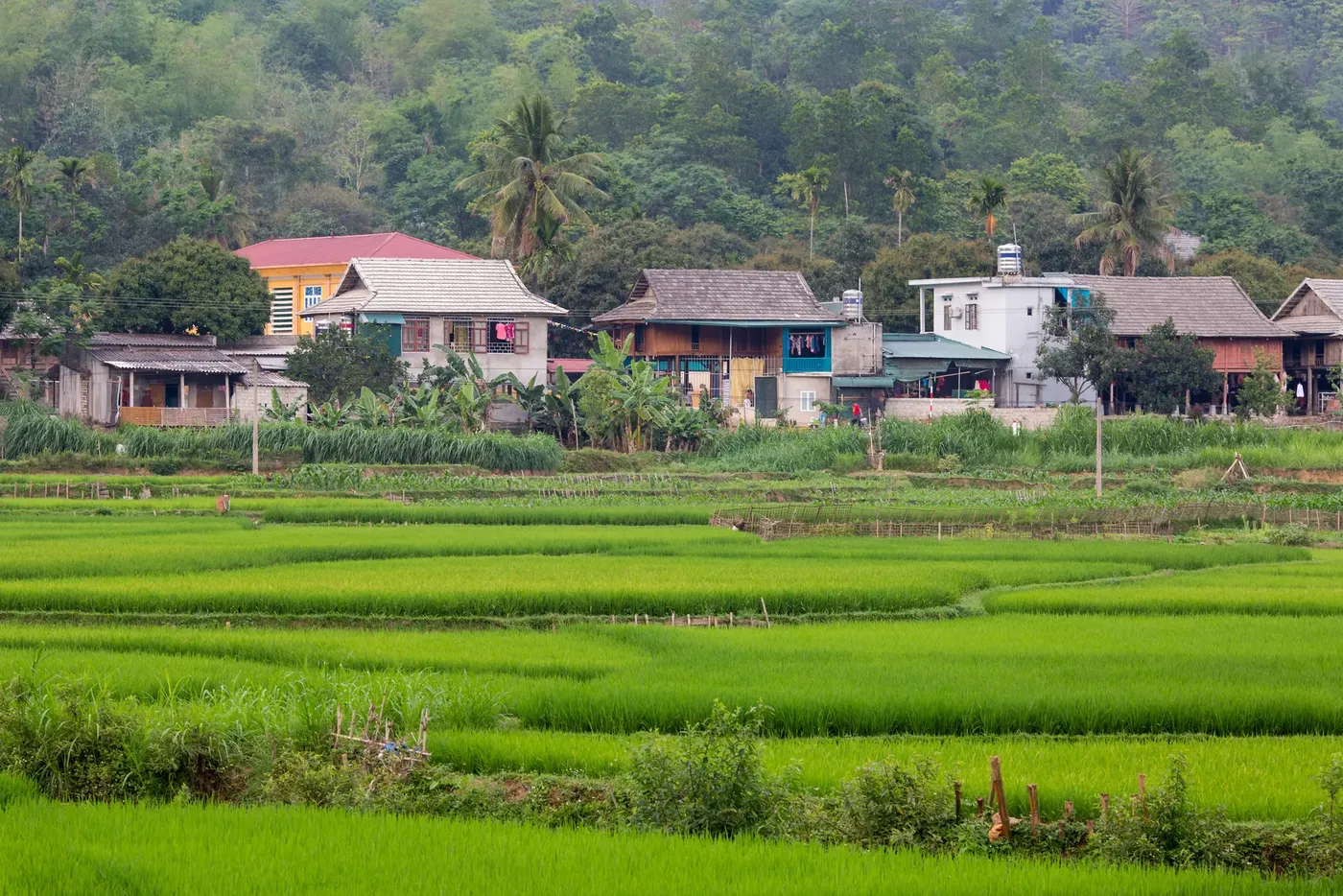
Mai Chau
The Mai Chau area is shaped mainly by the Black and White Thai ethnic groups. You can see it at first glance in the buildings and architecture in general. The houses stand on stilts, which protect them from water and also provide shelter.
08
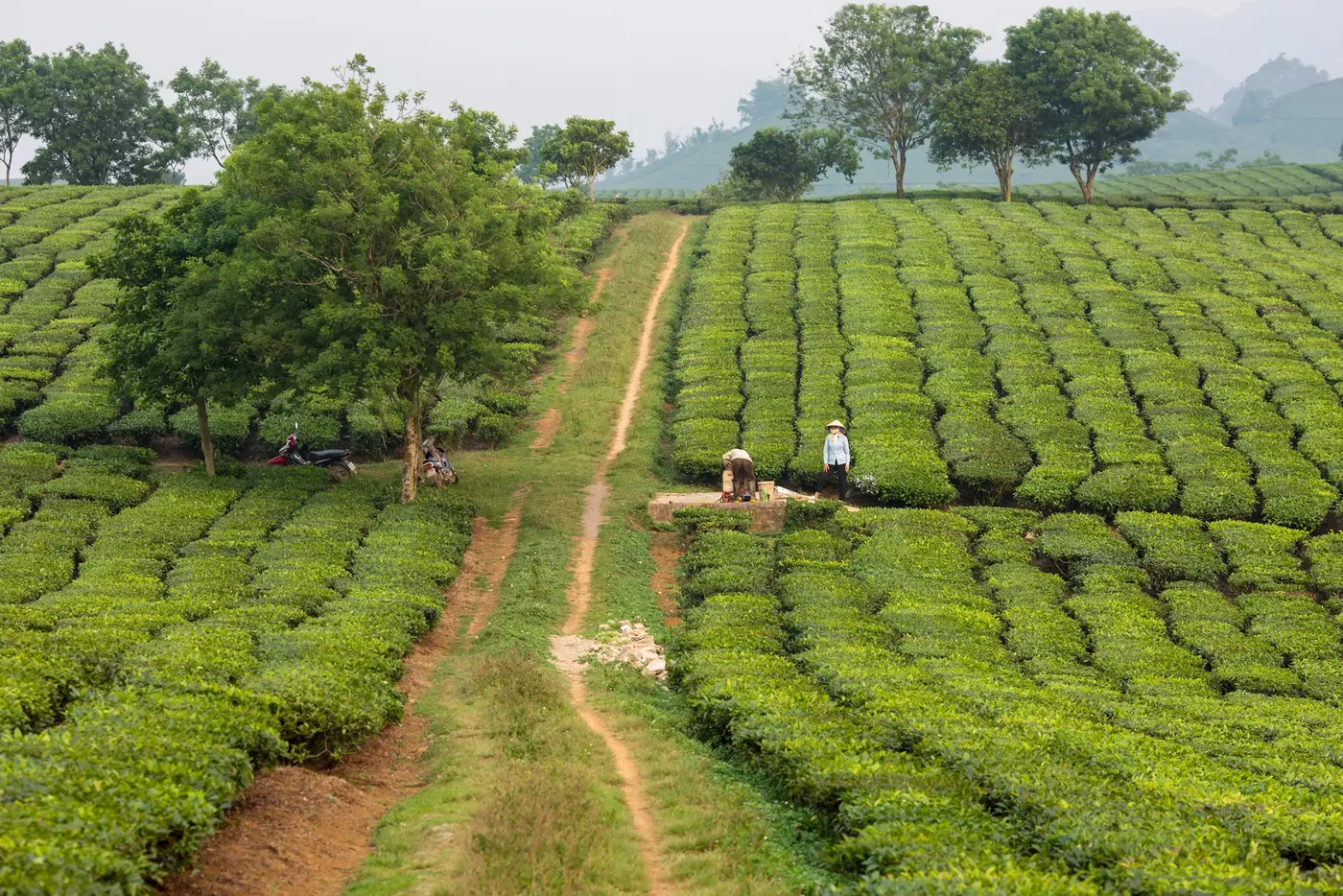
Moc Chau
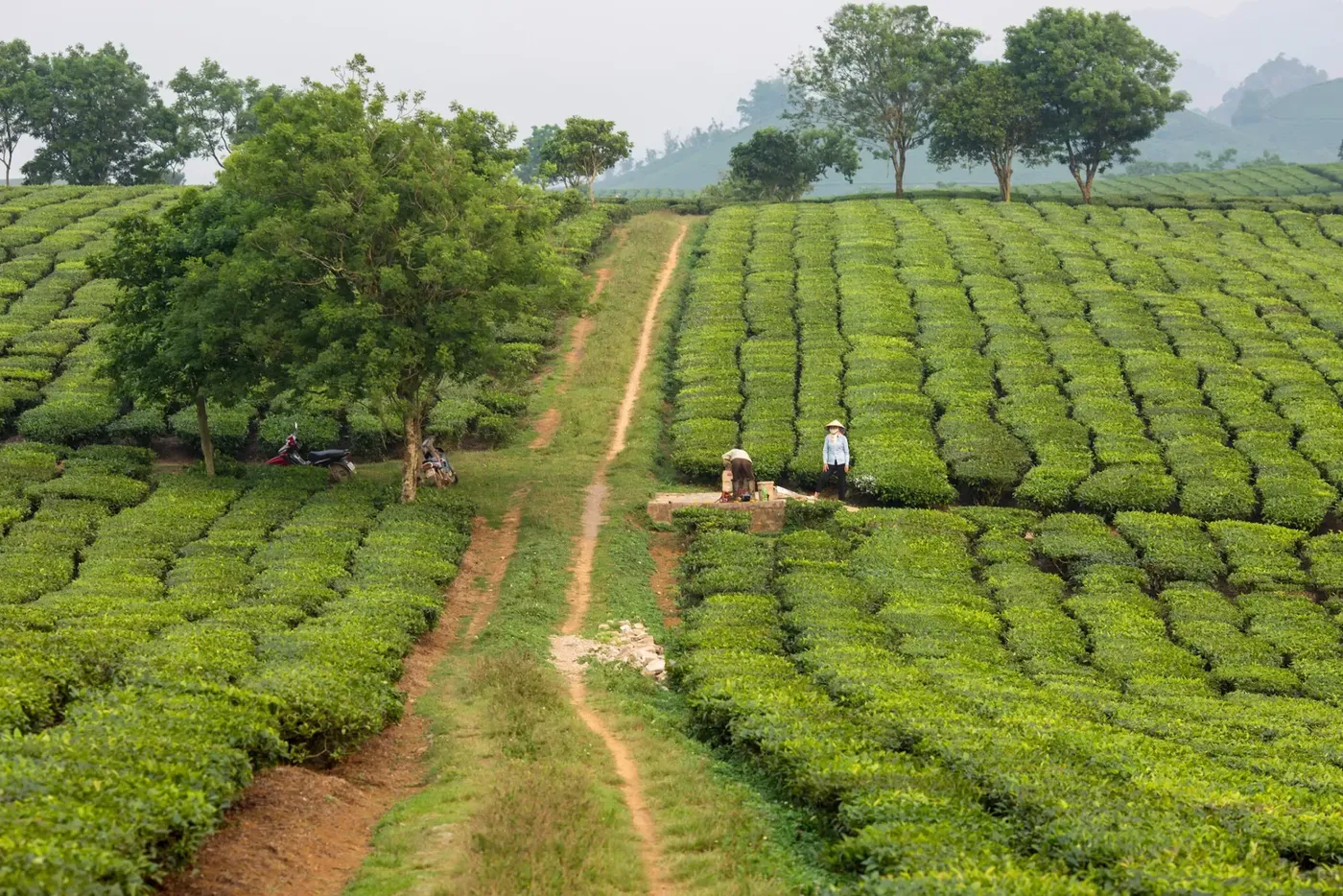
Moc Chau is the shared name of a district of the province and its main town. The town itself lies in the middle of a mountainous, hilly area. It's a region of tea plantations, fruit trees and flowers.
09
Nghia Lo
Nghia Lo lies 80 km west of Yen Bai and almost 200 km from Hanoi. Nghia Lo is home to the Black Thai (Tai Dam) people, who are renowned for their unique culture and food.
10
Khau Pha Pass
The Khau Pha Pass, a mountain pass reached by one of the most winding and steepest roads in Vietnam.