In China you are never alone. Really. The only place I was ever alone was on the trek along the Great Wall. Nowhere else.
- Google and Google Maps don't work in China. But Mapy.cz works brilliantly here. That is, until the comrades realise that open maps work. Then it'll be game over.
- Data SIM cards are sold on every corner and at very reasonable prices. The signal is generally pretty good pretty much everywhere.
- You'll be showing your passport everywhere, and I mean absolutely everywhere. And everywhere they'll take your photo. Even if you don't want them to. GDPR is an unknown concept here.
- Nobody speaks English in China, so you'll need to download a translation app. Even then, communication is full of laughter.
- Even if you buy a high-speed train ticket in the app, you still have to “exchange” it for a paper one at the station (the day before departure).
- The whole of China is just one time zone.
WHEN TO GO
In my view you can go to China all year round. You just always need to think about where. Tibet is buried in snow for half the year and Inner Mongolia is a living hell in summer. Yunnan, on the other hand, gets rain for almost half the year, and Beijing is ultra-smoggy in summer.
HOW LONG?
As long as you have. It sounds simple, but it's the only way to plan a trip around China. On the other hand, for the visa you have to submit a clearly defined itinerary. So, for me the minimum is 7 days per region.
DAILY BUDGET
China is both cheap and expensive. Everyday things like coffee are expensive, but street-stall food is ultra cheap. Generally you're looking at around 30 EUR/day. You can save on food and accommodation, but where you definitely won't save is transport. Unless you have loads of time.
VISAS
To enter China you need a passport valid for at least 6 months after your return and a tourist visa, which must be arranged before departure at the Chinese embassy in Prague. But that's not all. More on visas below.
GETTING TO CHINA
There is currently a direct flight from Prague with Hainan Airlines, and you can also fly with 1 stopover with other airlines. Scheduled flights will take you to Beijing, Shanghai or Hong Kong, for example.
GETTING AROUND CHINA
China is huge. And your travel has to adapt to that. So the basics are planes and trains. Then again, the real magic is travelling by bus and hiring a motorbike.
Getting to China
Visas
- To enter China you need a passport valid for at least 6 months after your return and a tourist visa, which must be arranged before departure at the Chinese embassy in Prague. To be granted a visa you must provide the original and a photocopy of your passport, 1 completed application form, 1 colour photograph, your flight ticket, travel itinerary and accommodation booking.
- Since 18 October 2019, applicants must attend the visa centre in person to have their fingerprints taken. Fingerprints can only be taken at the same time as you hand in the documents required for the visa application at the visa centre.
Flights
- There is currently a direct flight from Prague with Hainan Airlines, and you can also fly with 1 stopover with several other airlines. Scheduled flights will take you to Beijing, Shanghai and Hong Kong, for example, which have the main international airports.
Money and payments
- China is built on paper money.
- As for exchange, surprisingly the best deal is buying yuan in the Czech Republic.
- In China you can't actually pay for anything by card. They only accept cards issued in China. And even when hotels say they accept cards, on the spot the terminal miraculously doesn't work.
- You can withdraw cash from ATMs (only some of them), but there's a local fee of 3.5%.
Getting around China and accommodation
The metro and tokens
I rode the metro in three Chinese cities: Beijing, Chongqing and Changsha. And it really is an experience. The metro is modern, punctual and frequent. It's also all in Chinese only and nobody speaks English. Riding it is a chapter in itself. There's a system of prepaid plastic tokens, but of what value? Sometimes it's trial and error.
You'll also use the metro (more of an express metro) to get from Beijing airport to the centre. A ticket costs 25 yuan. At the airport just look for signs saying Airport Express Train Station. The train then runs to Dongzhimen station, where you can change to the regular metro lines.
Buses
I really enjoyed travelling on local buses – a European on board looks like an apparition. The longest and most complicated journey was from Beijing north to Jinshanling. You go from Wangjing West (望京西) to Luanping bus station (滦平), where you need to change to the line from Luanping (滦平) to Wangjing West. From there it's just a short “hop” to Jinshanling highway service station (金山岭服务区). And then it's just a short walk. The great fun, though, is that everything is in Chinese only, so the only landmarks are numbers. At the time there were plans to open a direct line from Dongzhimen Bus Station that would run straight to the Wall.
I also took buses in Xi’an (to the Terracotta Army), in Naxi country and so on, but that was always far simpler. You just have to steel yourself against the taxi touts who, in broken English, insist that nothing runs and the only way is by taxi.
Flights and flying
Air travel is a standard form of public transport in China. I bought all my tickets through a mobile app and never had a problem. Just watch out in Beijing, because flights to the Yellow Mountains (Huangshan Tunxi) leave from Beijing Nanyuan Airport, which is on the other side of the city and also serves military purposes. So as a European I caused quite a stir there. EDIT: after the new airport opened, Beijing Nanyuan Airport was closed in 2019.
It's also good to know that Chinese airlines have a peculiar way of selling tickets. Around the sixth day before the flight, tickets drop by about 30%. The reduced price lasts about 2 days and then rises above the pre-discount level.
High-speed trains
High-speed trains are a chapter of their own when it comes to getting around China. The network and its reach are growing at a fiendish pace, and it's the most efficient way to travel between big cities. It's not as fast as flying, but the big advantage is that stations are mostly in city centres, so there's no need to travel to and from the airport. I used them to get from the Yellow Mountains (Huangshanbei North Railway Station) to Guilin (Guilin North Railway Station) with a change in Changsha
Hiring a motorbike
A good way to get to know the countryside is to hire a motorbike. The catch, though, is that they only have scooters, and electric ones at that. So I recommend checking you have a charger and then just keeping an eye on the battery.
Accommodation
I always chose accommodation based on access to interesting places, and as a rule, the closer to the historic centre, the cheaper it is. It's also a good idea to book well in advance, as prices go up quite a lot. Booking worked best for me.
TOP 10 places along the way
01
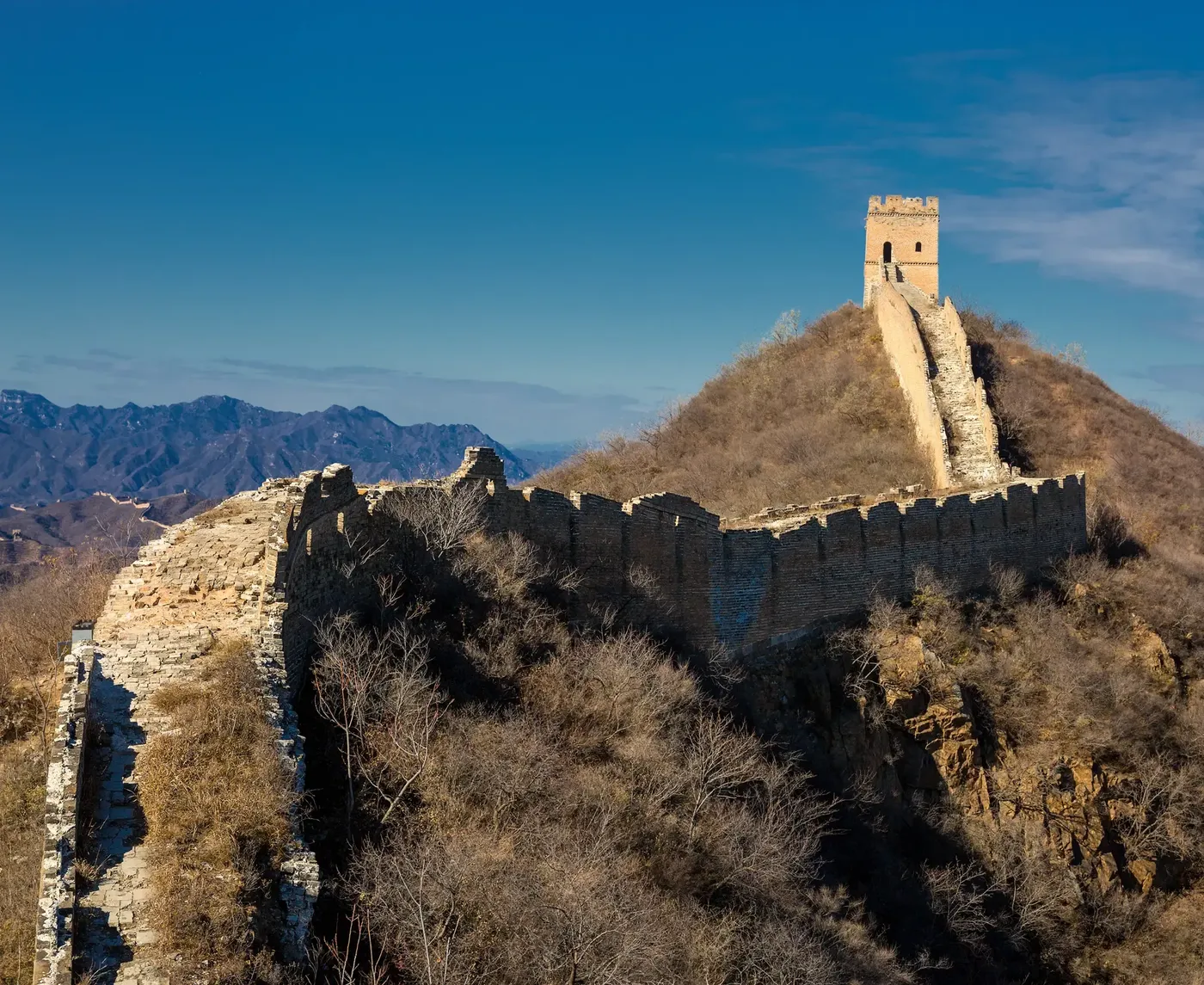
The Great Wall
The trek along the Wall from Jinshanling to Simatai. The Jinshanling to Simatai section is generally considered the most beautiful part of the Great Wall. Along the whole route, restored sections alternate with those left as the ravages of time made them. And you can even sleep in the towers (albeit secretly).

02
The Yellow Mountains (Huangshan)
If you're looking for adventure away from China's big cities, the Huangshan range is the perfect destination. The whole area is famous for its sunsets, hot springs and granite peaks.

03
Lijiang
Over its rich history, the beautiful ancient town of Lijiang was a key town on the Tea Horse Road. It has wonderfully preserved medieval architecture.

04
Yangshuo country
The area around the river at Yangshuo boasts some of the most unspoilt scenery in all of China. It's ideal to hire a motorbike here and enjoy rural China.
05
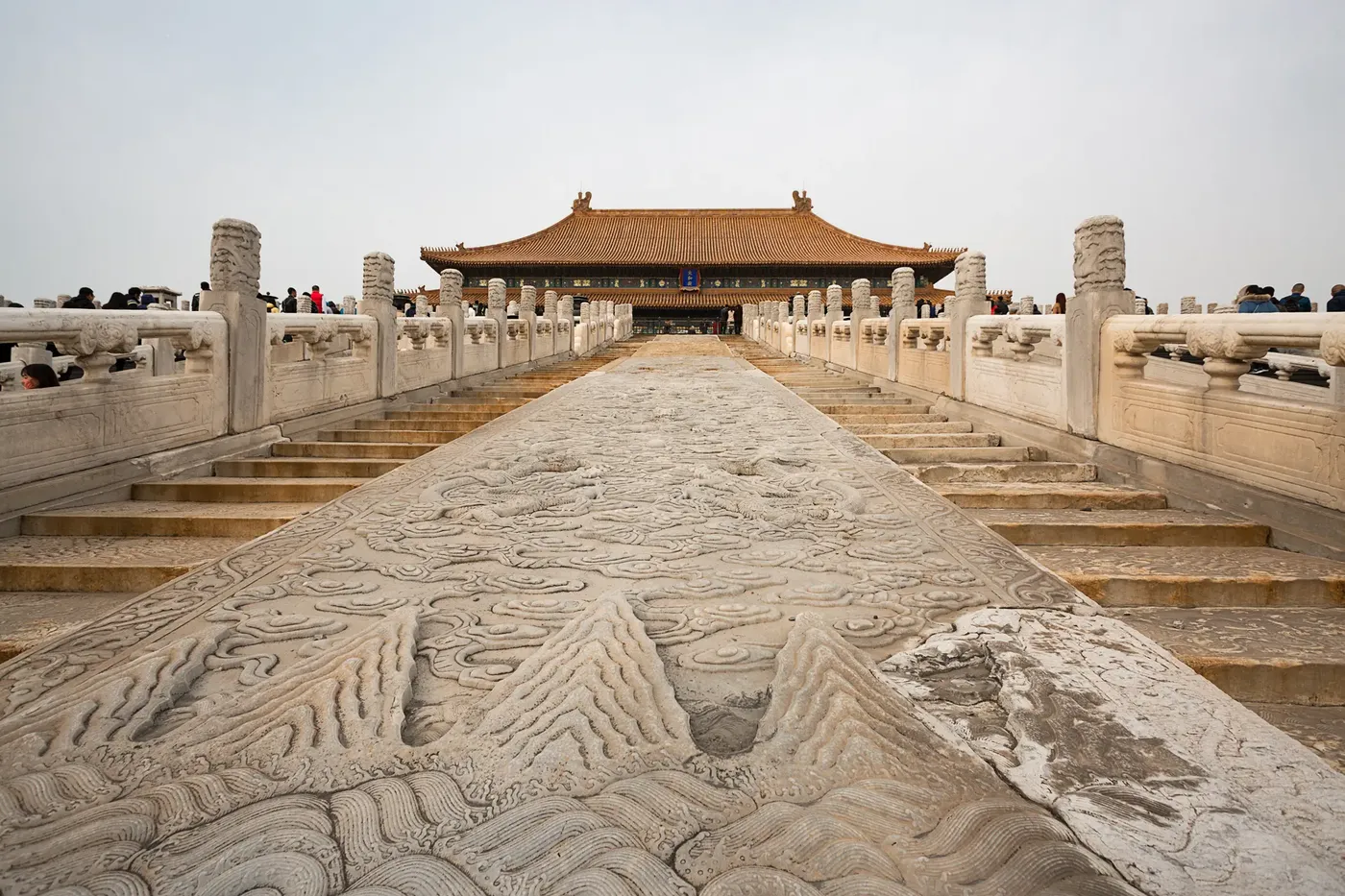
Beijing – the Forbidden City
The once closely guarded residence of the emperors and for many centuries the pride of Beijing and the whole Middle Kingdom. For more than 500 years the Forbidden City was off-limits to “ordinary” mortals. What more can I say.
06
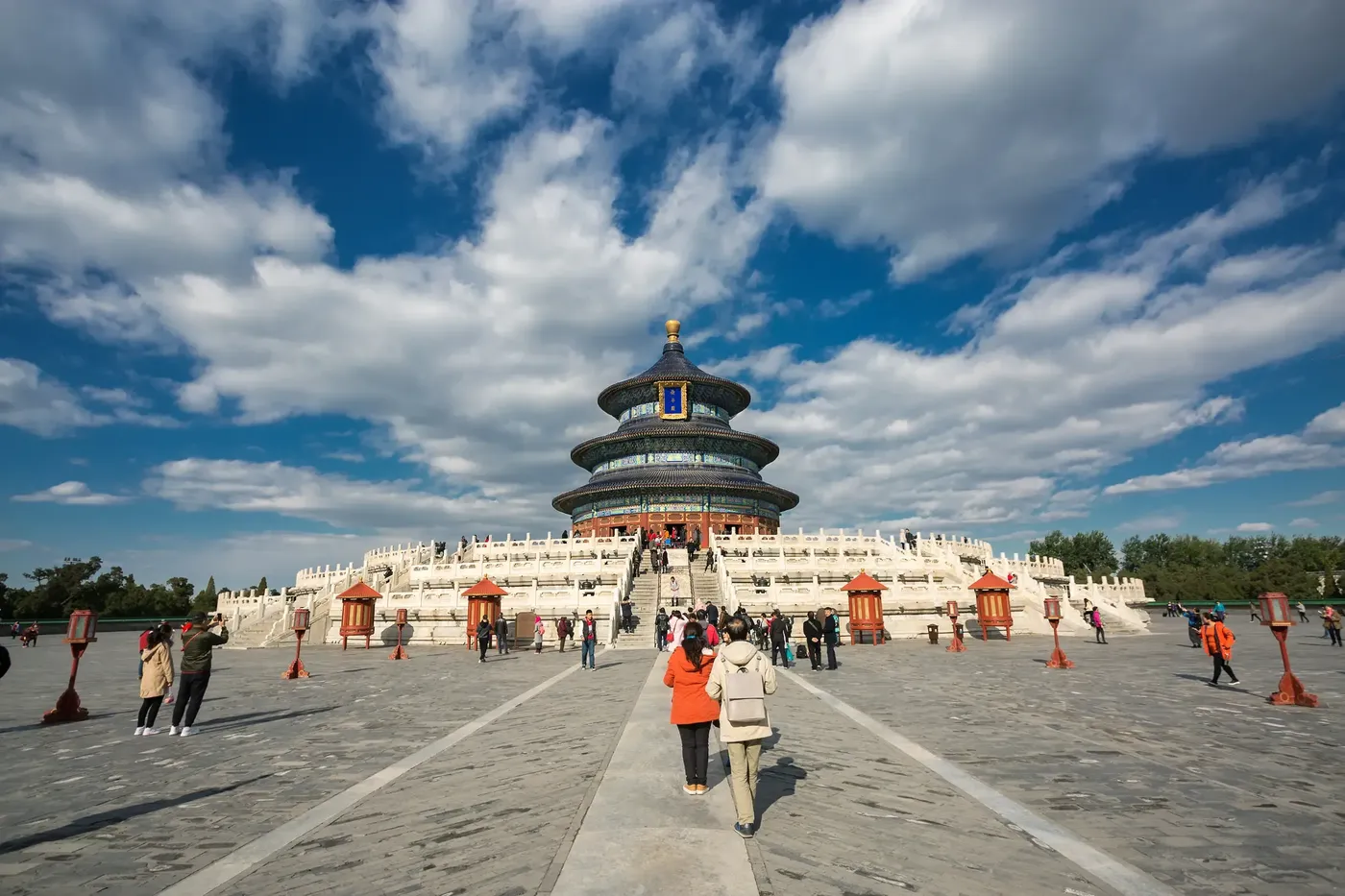
Beijing – the Temple of Heaven
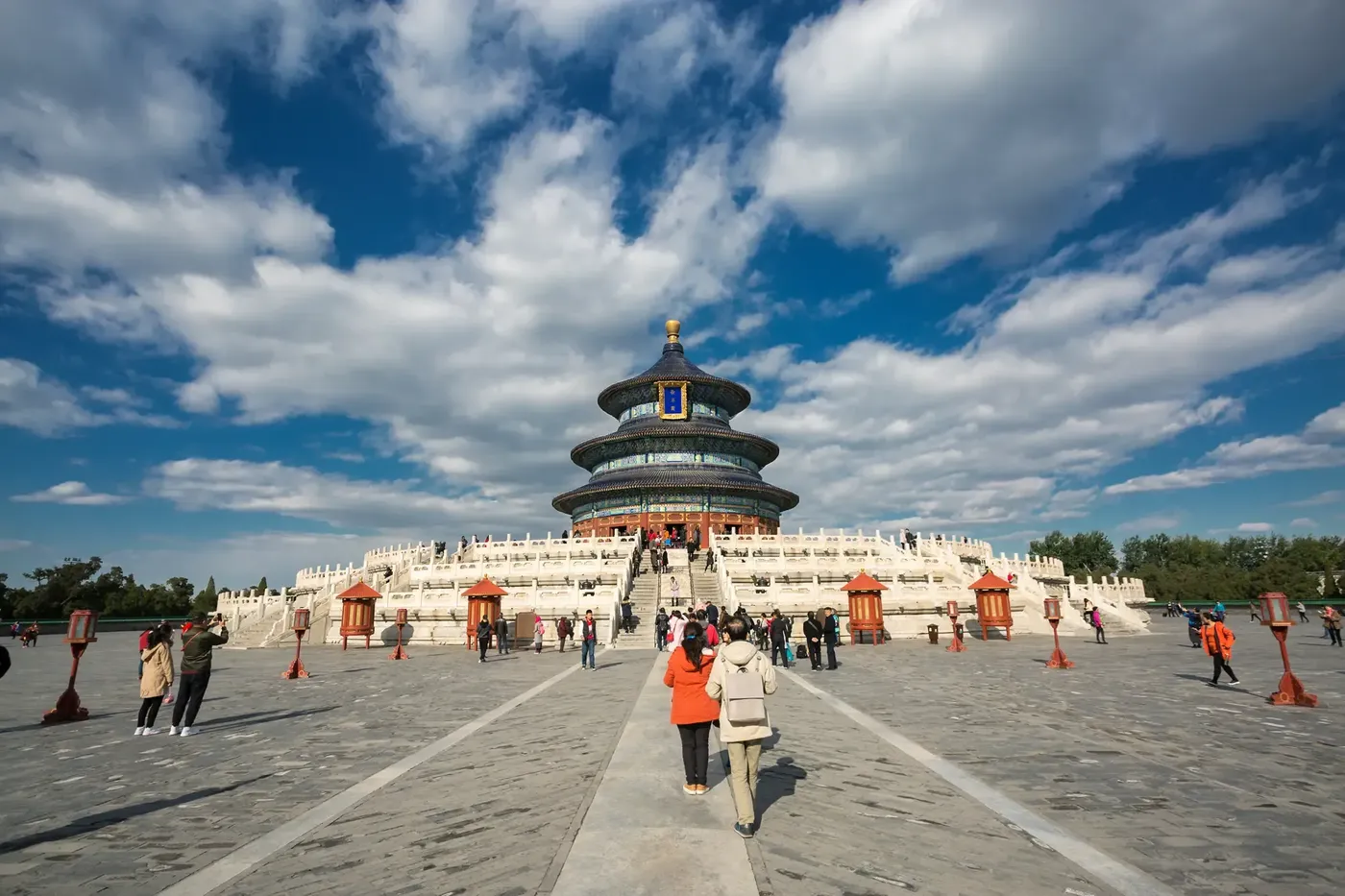
But Beijing isn't just the Forbidden City. There's also the Temple of Heaven, for instance. It used to be the only place where the gods could be contacted directly. Even the emperor himself first had to pass through the Hall of Abstinence and the Vault of Heaven before he could pray at the altar.
07
Beijing – the Hutongs
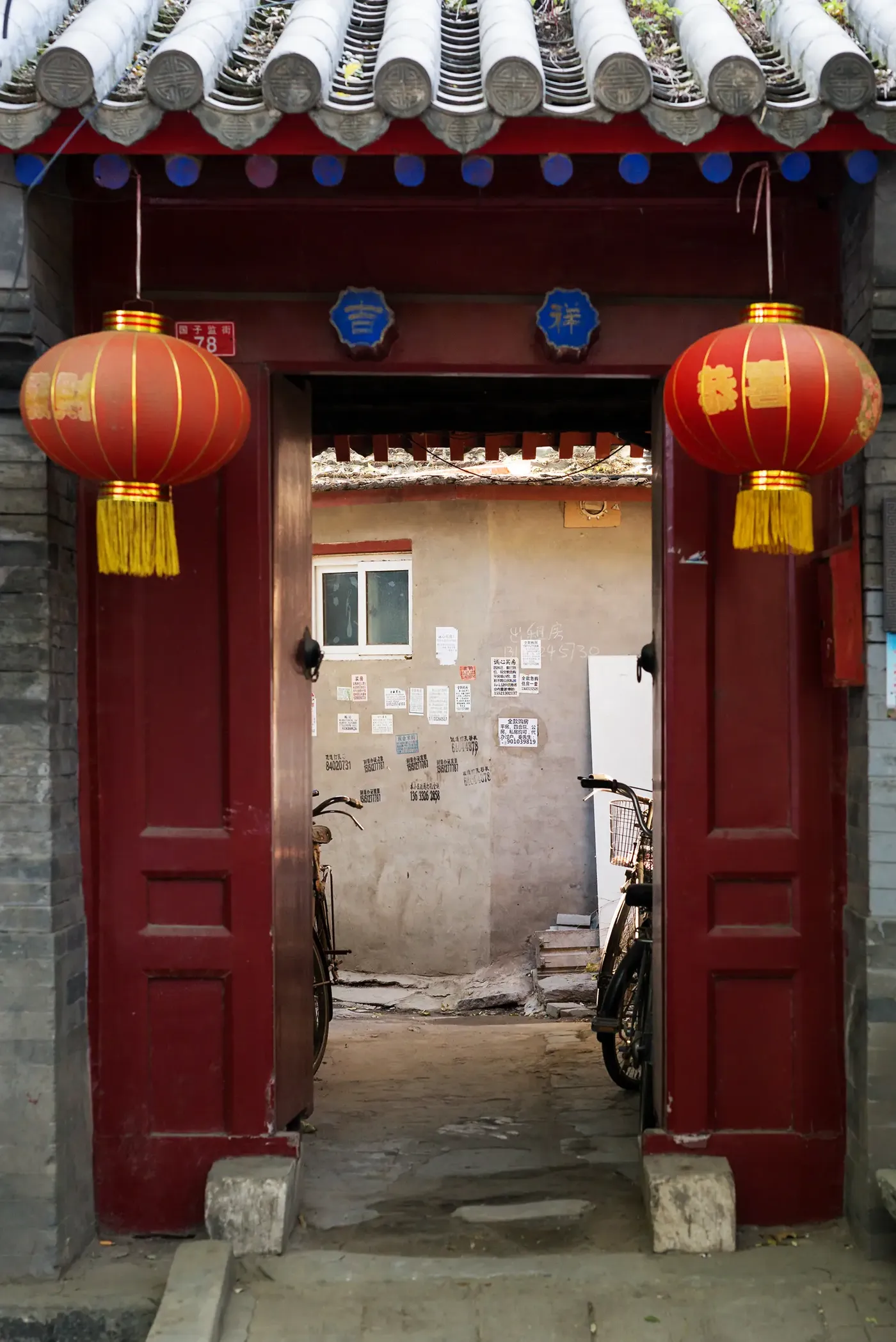
A hutong is essentially a narrow residential alley or street that joins other hutongs to form a neighbourhood of lovely passageways. Sadly, these very neighbourhoods are falling victim to modernisation and Beijing's modern urban planning.
08
Xi’an
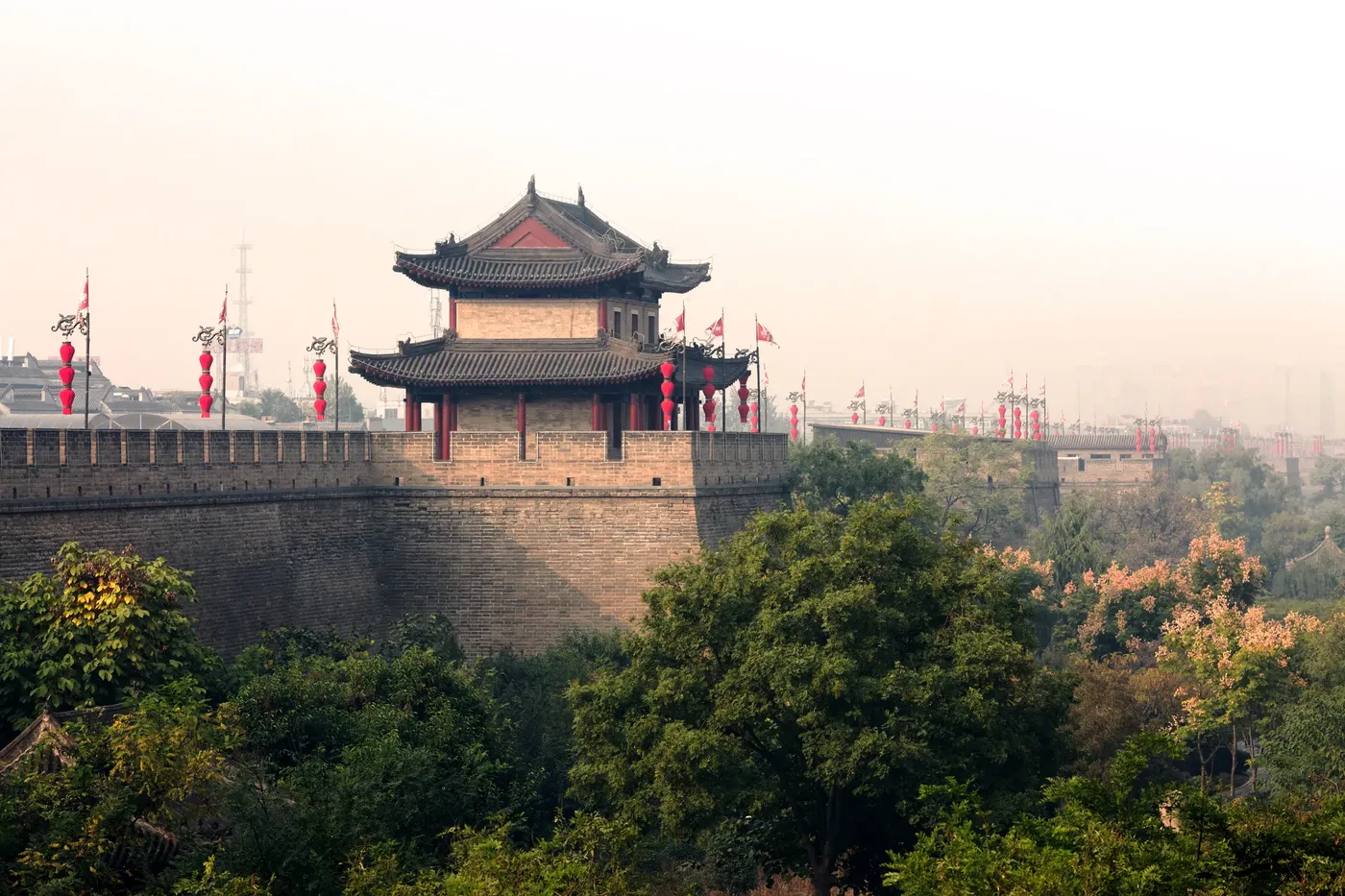
Xi’an is the capital of Shaanxi province. It lies in central China in the area around the Wei River, considered the cradle of Chinese civilisation. Thanks to its very rich history and fame, Xi’an is packed with sights. Probably the most monumental are the walls of the inner ring of Xi’an's city fortifications – a 14 km square with walls 15m high and around 8m wide.
09
The Terracotta Army
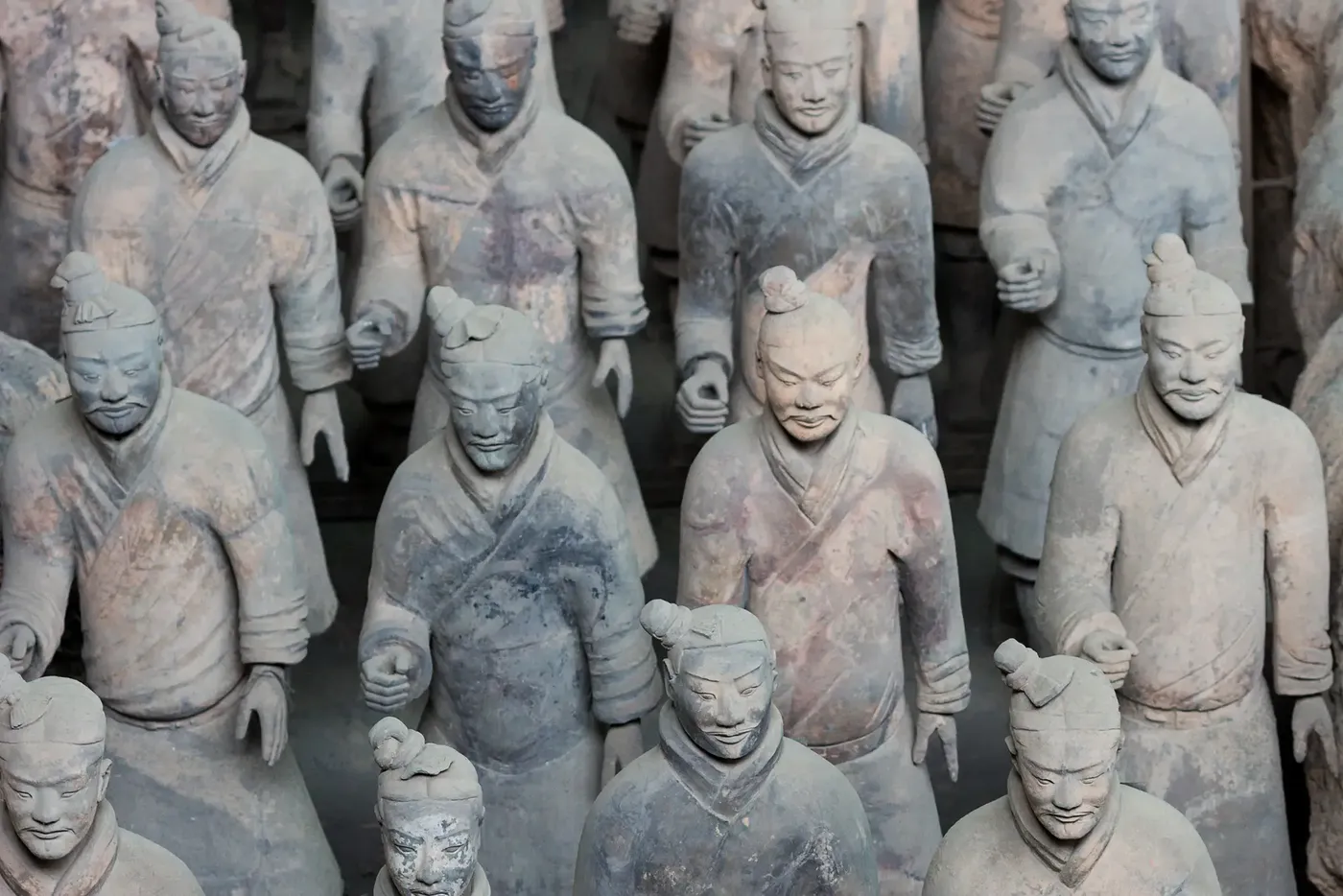
Eight thousand terracotta warriors guarding the huge 2,200-year-old tomb of the first emperor, Qin Shi Huang of the Qin dynasty. The unifier of China and builder of the Great Wall. What more could you want to see.
10
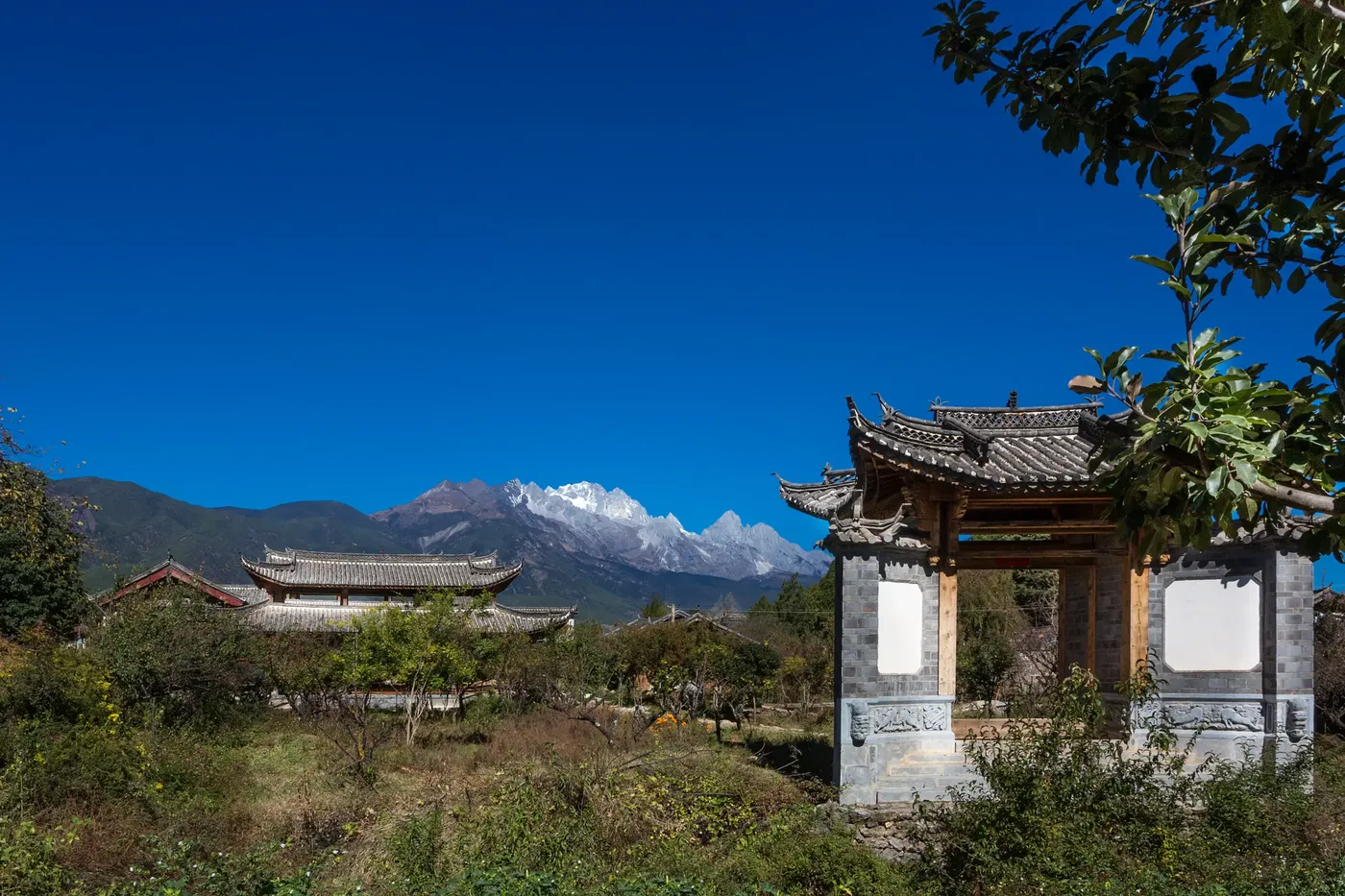
Naxi country
And finally I've saved the area around Lijiang (see above) in Yunnan province. It's an area inhabited by the Naxi people. They're a non-Chinese ethnic group who shaped the region for centuries, built towns and profited from trade along the Tea Horse Road to Tibet.