How Much Time for Tuscany
In thirteen days you can drive through Tuscany from north to south and back: Florence, Lucca, Pisa, Volterra and San Gimignano, the south with the thermal springs of Saturnia, Pitigliano, Civita di Bagnoregio and Orvieto, and finally Arezzo. Verona on the way there, and back across the Apennines to San Marino and Venice. The itinerary is a rough guide with no slack built in. If you can, add a day or two, ideally in the south, where the programme is busiest.
Two of those days go on the drive from Prague and back, each around 8–9 hours behind the wheel. Within Tuscany, though, the drives are short, mostly an hour or two. Your time won't vanish on the motorway, but in the narrow streets, at viewpoints and at the table.
Language
Italian; in tourist areas you'll get by in English
Currency
euro
Payments
cards almost everywhere; small change is handy for parking meters and small bars
Documents
an ID card is enough, Italy is in Schengen
Climate
best in May, June, September and October; July and August are hot and crowded
Driving
on the right; Italian motorways are tolled at toll gates
Motorway vignettes
Austria (electronic), Germany free; the Brenner and Tauern have separate tolls
Mobile
roam like at home, EU rules apply
Route (13 days)
From Prague via Munich, Innsbruck and the Brenner to Verona, then to Florence and from there west to the sea, into the hills around San Gimignano, down south and back north via Arezzo. Across the Apennines to San Marino, on to Venice and home through Austria. Total: drive there 1 + Verona 1 + 8 days in and around Tuscany + San Marino and Venice 2 + drive home 1 = 13 days.
1. Prague → Verona
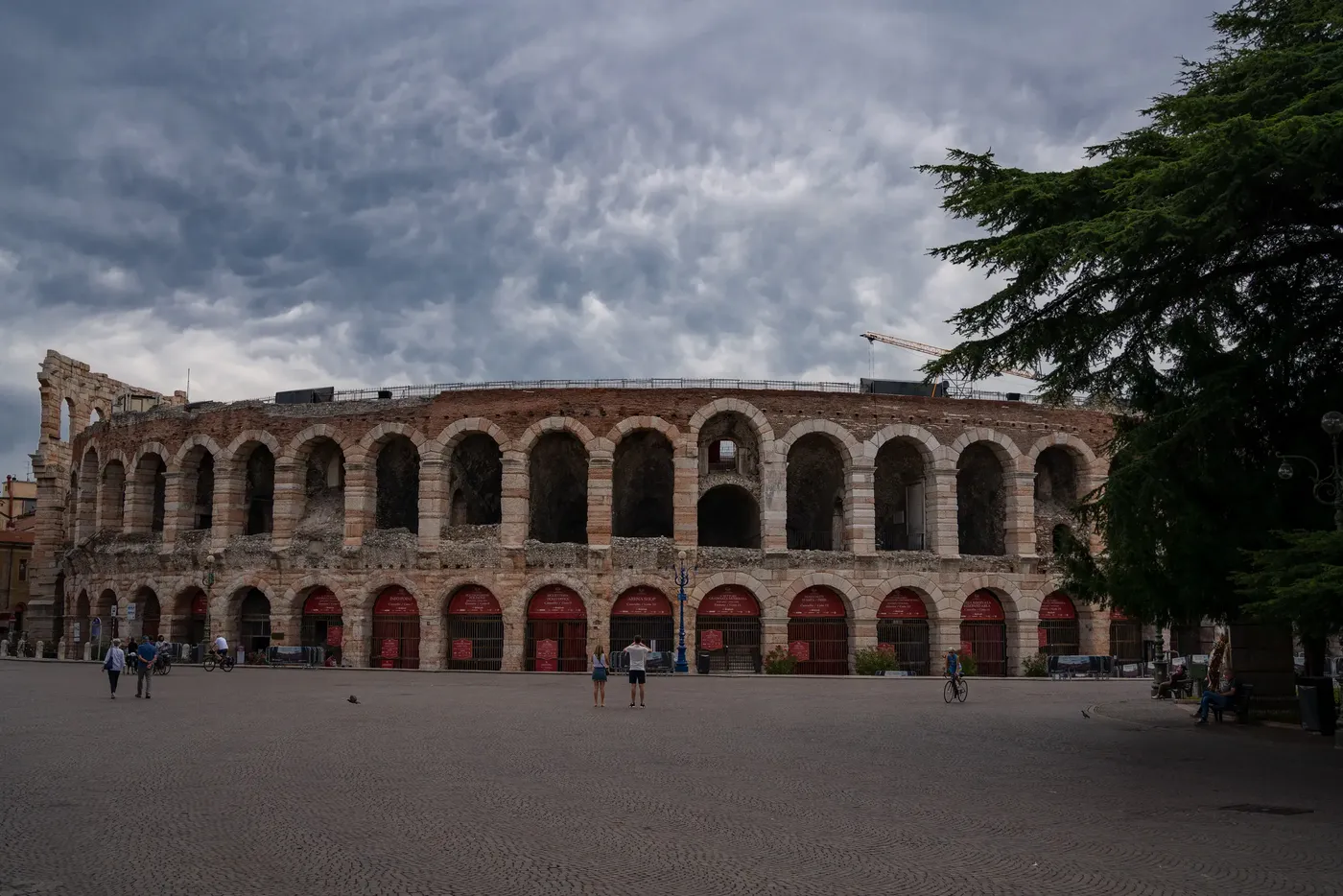
1 dayDay one is mostly motorway: Munich, Innsbruck, the Brenner Pass and down into the Adige valley. Around 760 km and 8 hours of driving. You'll reach Verona in the evening, just in time for a stroll to the Arena and dinner in the centre.
2. Verona → Florence
1 dayMorning in Verona: the Roman Arena, where opera is staged in summer, Piazza delle Erbe and Juliet's balcony, if you can face the crowds. After lunch, across the Apennines to Florence, just under three hours.
3. Florence
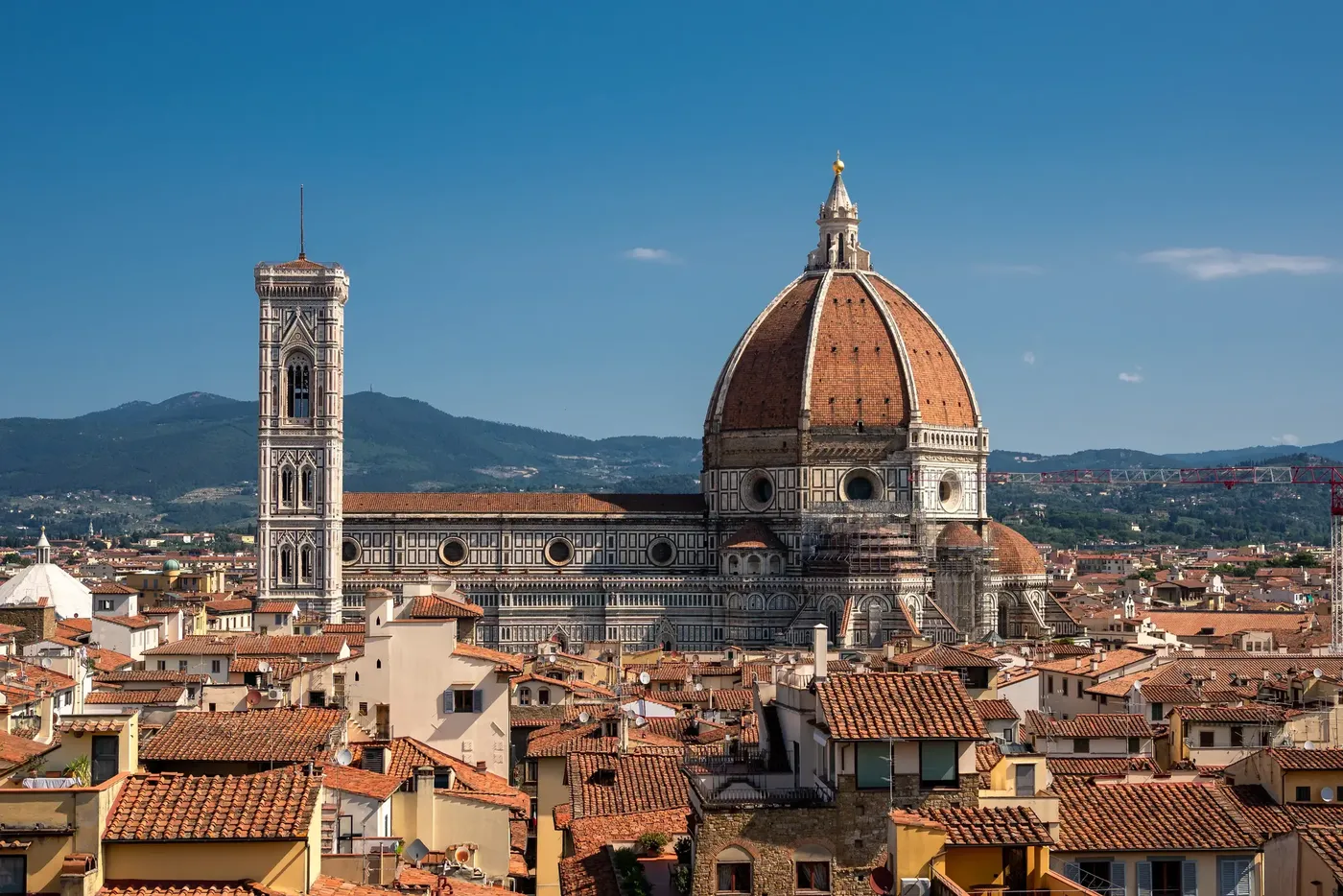
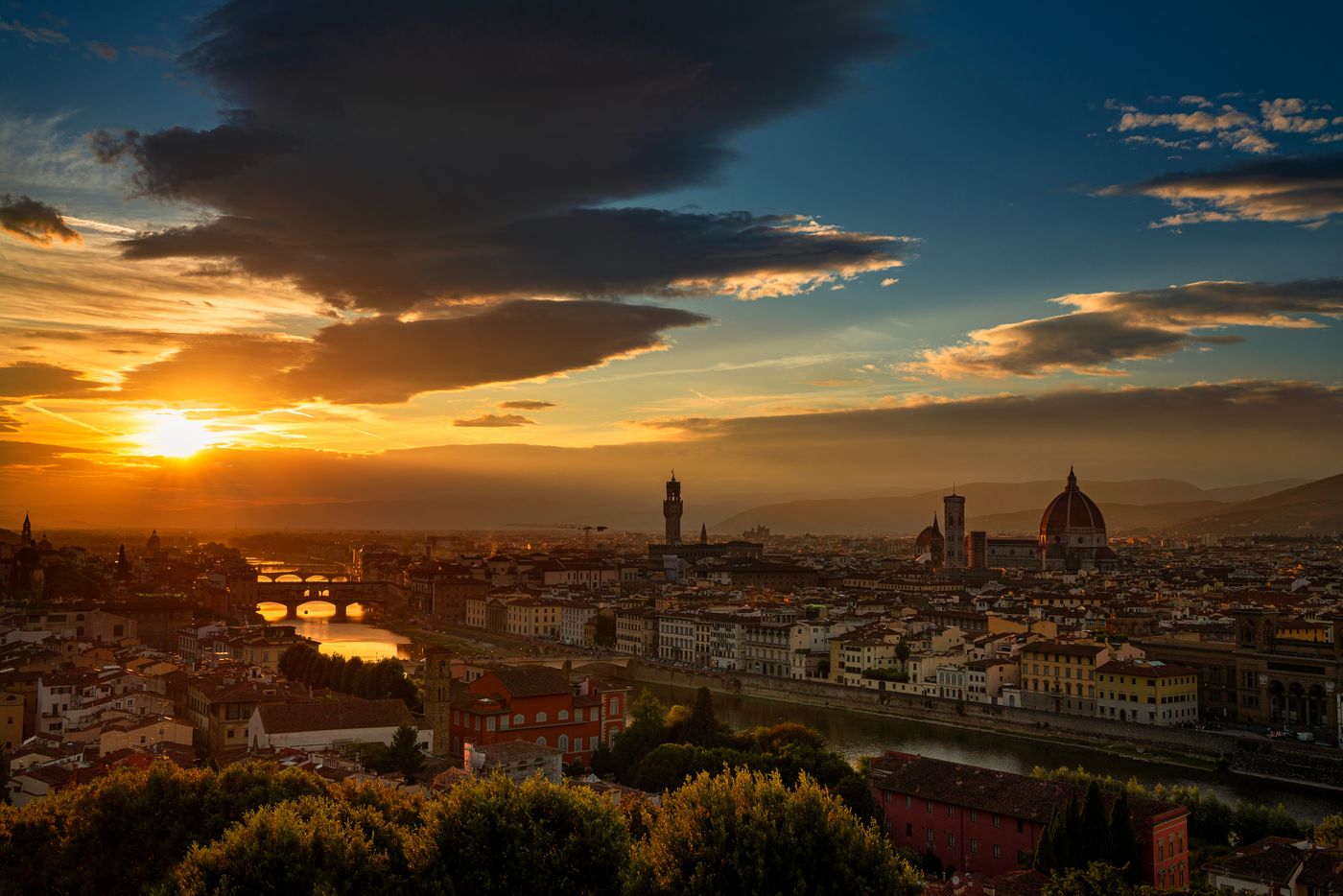
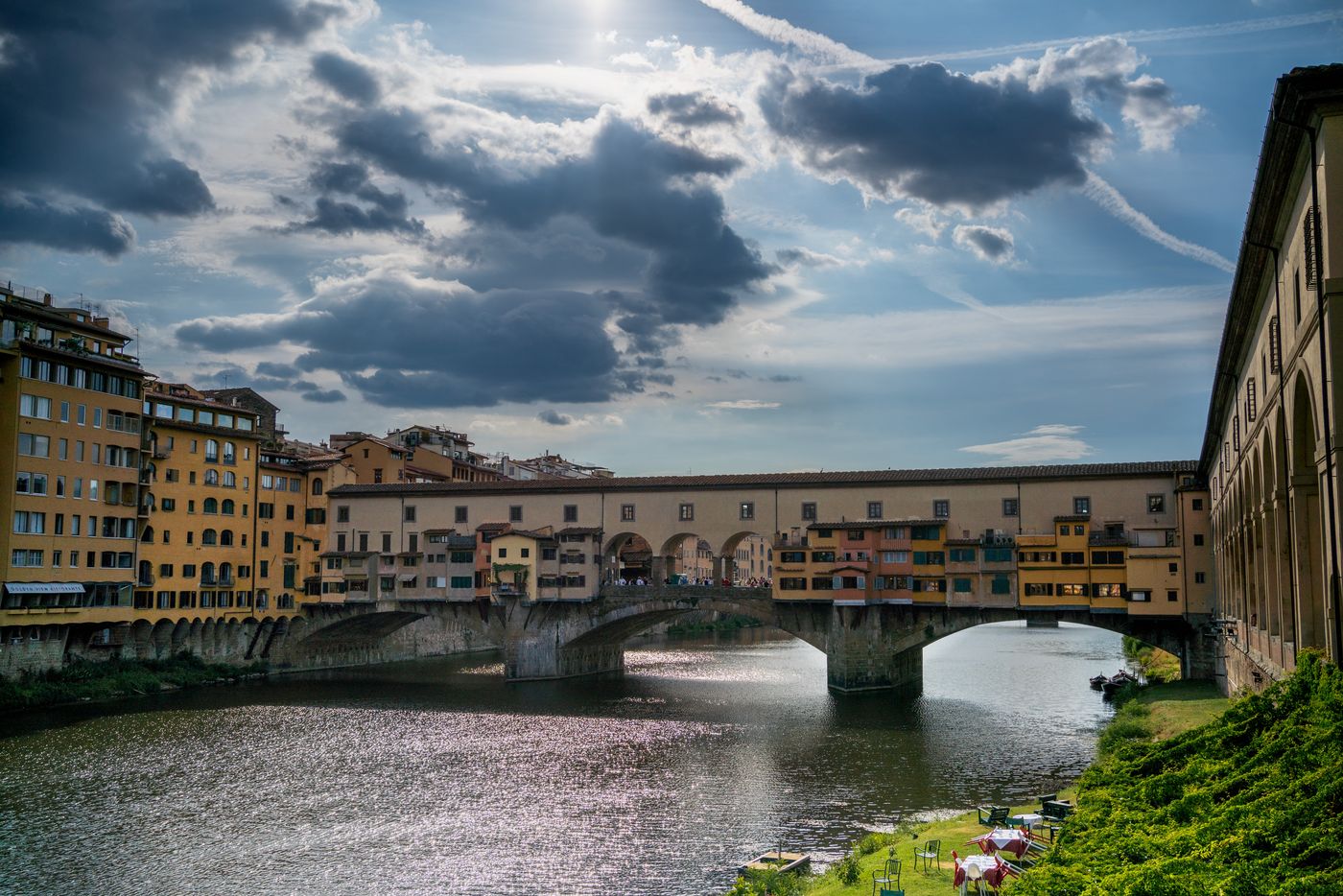
2 daysThe birthplace of the Renaissance and a city where you run into Michelangelo, Brunelleschi or the Medici on every corner. The cathedral and its dome, the Ponte Vecchio over the Arno, the Uffizi Gallery and the view from Piazzale Michelangelo at sunset. In 2020 Florence was almost empty and had a completely different charm from usual. Today, expect crowds and buy tickets for the Uffizi and the dome in advance.
4. Vinci
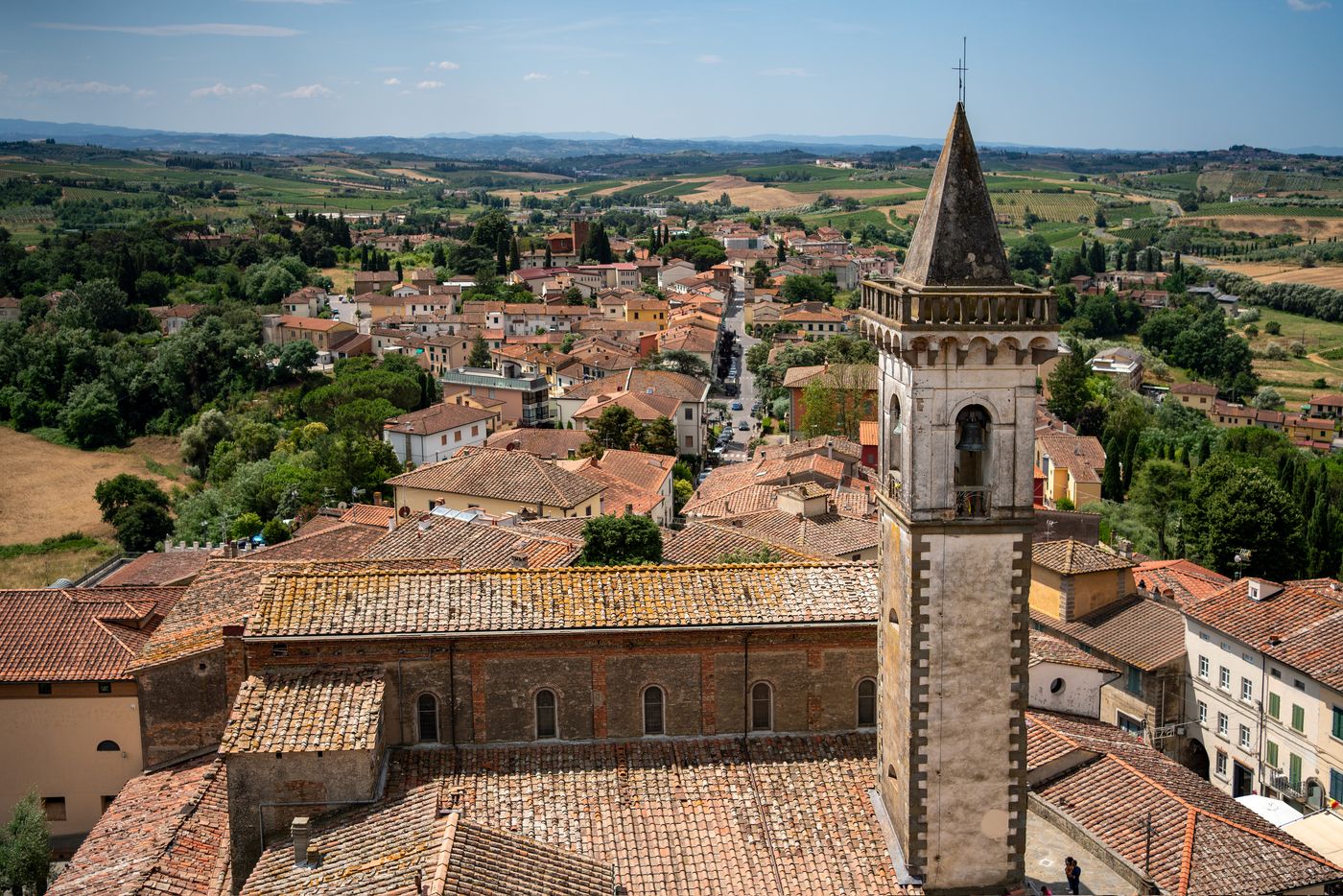
morningHeading west from Florence, Vinci is worth a stop – a little town among olive groves where Leonardo was born. A small museum with models of his machines and, just outside town, the house in Anchiano where tradition says he came into the world. It's just under an hour from Florence.
5. Lucca
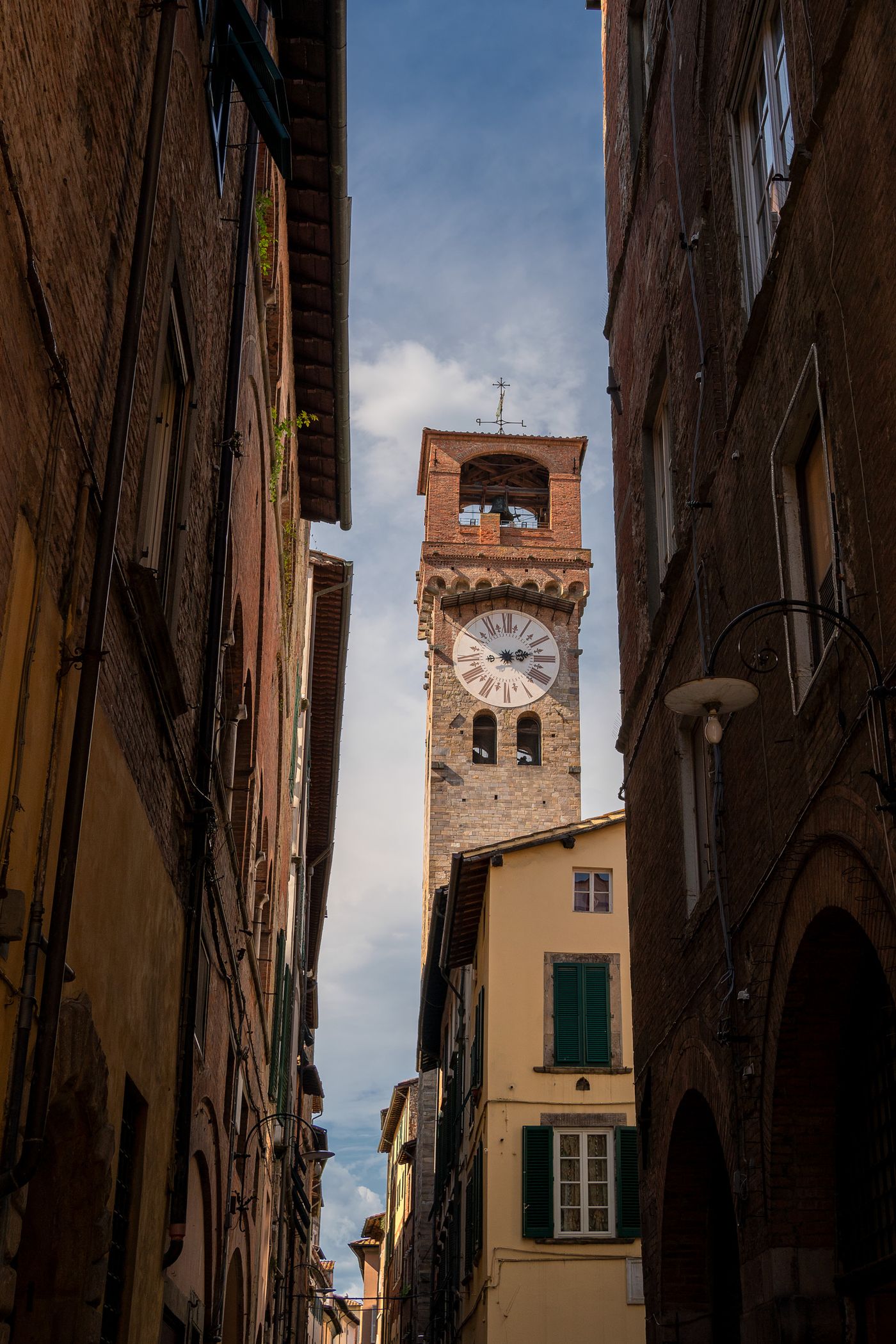
afternoonFrom Vinci to Lucca is about an hour. The whole old town is ringed by Renaissance walls you can walk or cycle all the way round. Inside are narrow lanes, the Torre delle Ore clock tower and the oval Piazza dell'Anfiteatro, built on the site of a Roman amphitheatre.
6. Pisa and Volterra
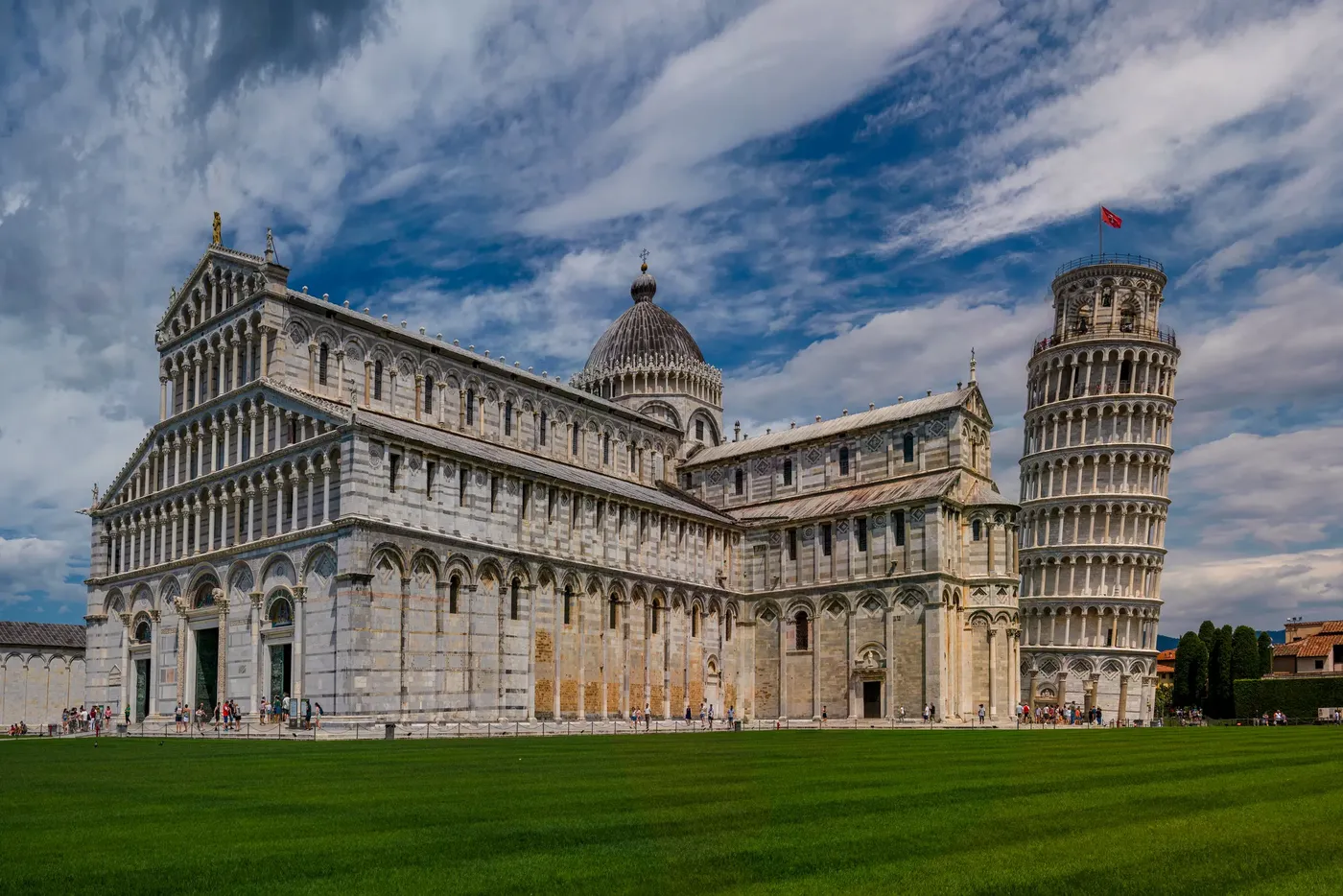
1 dayPisa is half an hour from Lucca. In the morning, Piazza dei Miracoli with the Leaning Tower, cathedral and baptistery, then Piazza dei Cavalieri, which tourists from the tower rarely make it to. In the afternoon, up into the hills to Volterra, an Etruscan alabaster town on a high ridge. Twilight fans will recognise the seat of the Volturi.
7. San Gimignano
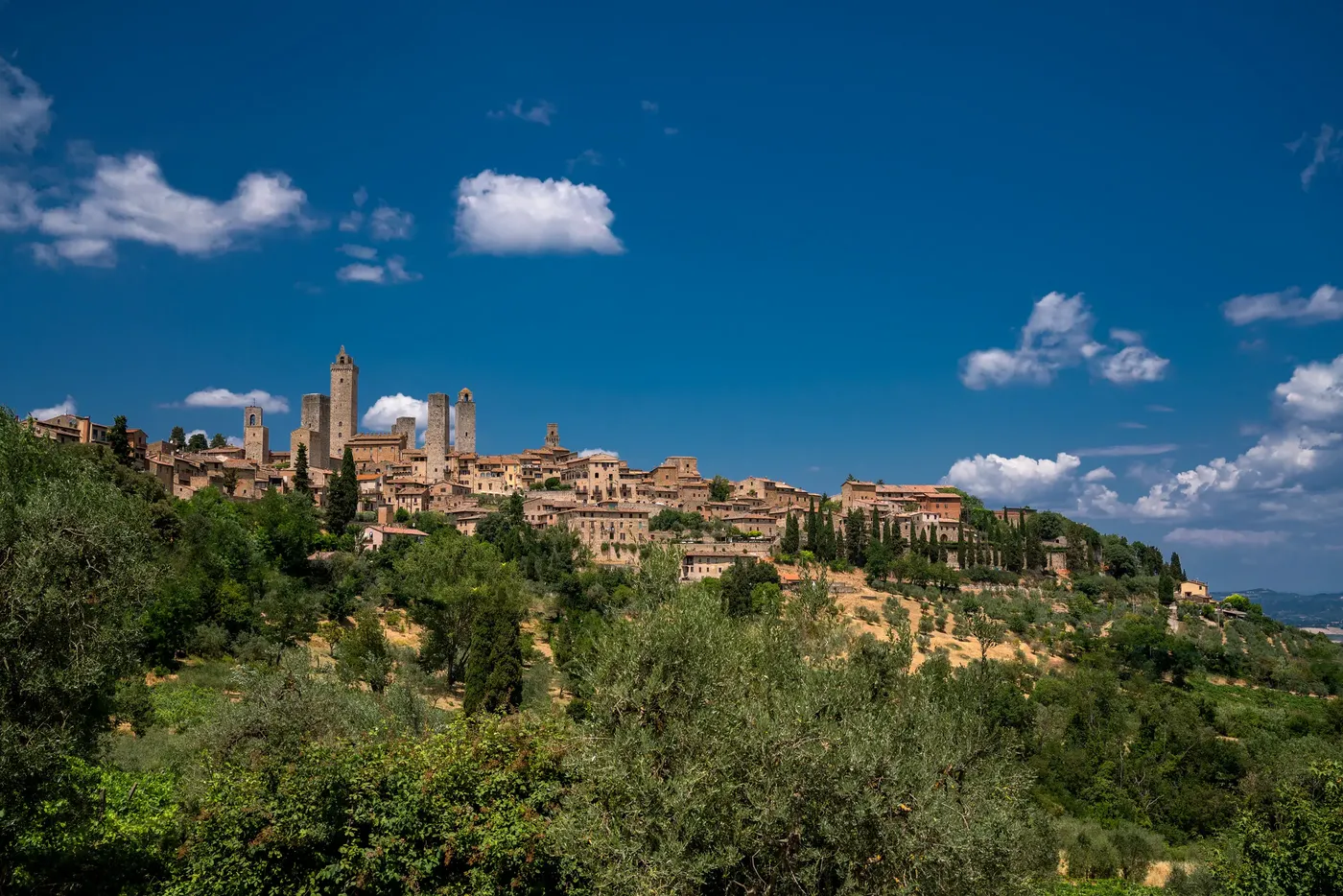
1 dayA medieval Manhattan. Of the original seventy or so towers, fourteen still stand, and from afar the town looks like it belongs to another age. By day coachloads of day-trippers arrive; mornings and evenings it's a different place. The surrounding hills with vineyards and cypresses are the picture of Tuscany everyone carries in their head.
8. Saturnia and Pitigliano
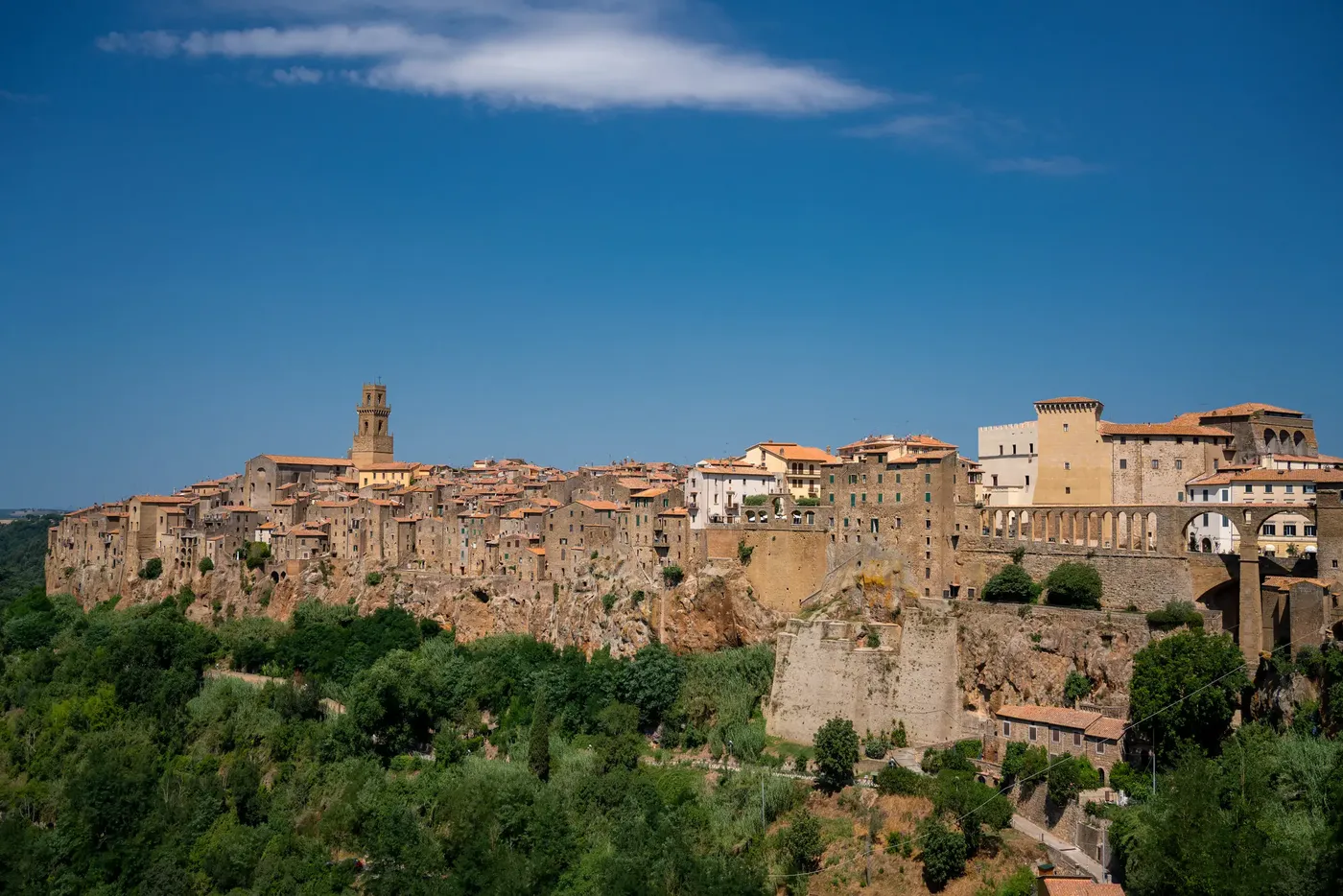
1 dayFrom San Gimignano south into the Maremma. In the morning, Saturnia and the Cascate del Mulino, thermal cascades by an old mill. The water is around 37 °C and bathing is free, day and night. It's loveliest early in the morning, before the crowds arrive. In the afternoon, a quarter of an hour further on, Pitigliano, a town that grows straight out of the rock. The houses stand on the edge of a tuff cliff and merge with it. It's called Little Jerusalem because a large Jewish community lived here for centuries. The synagogue still stands.
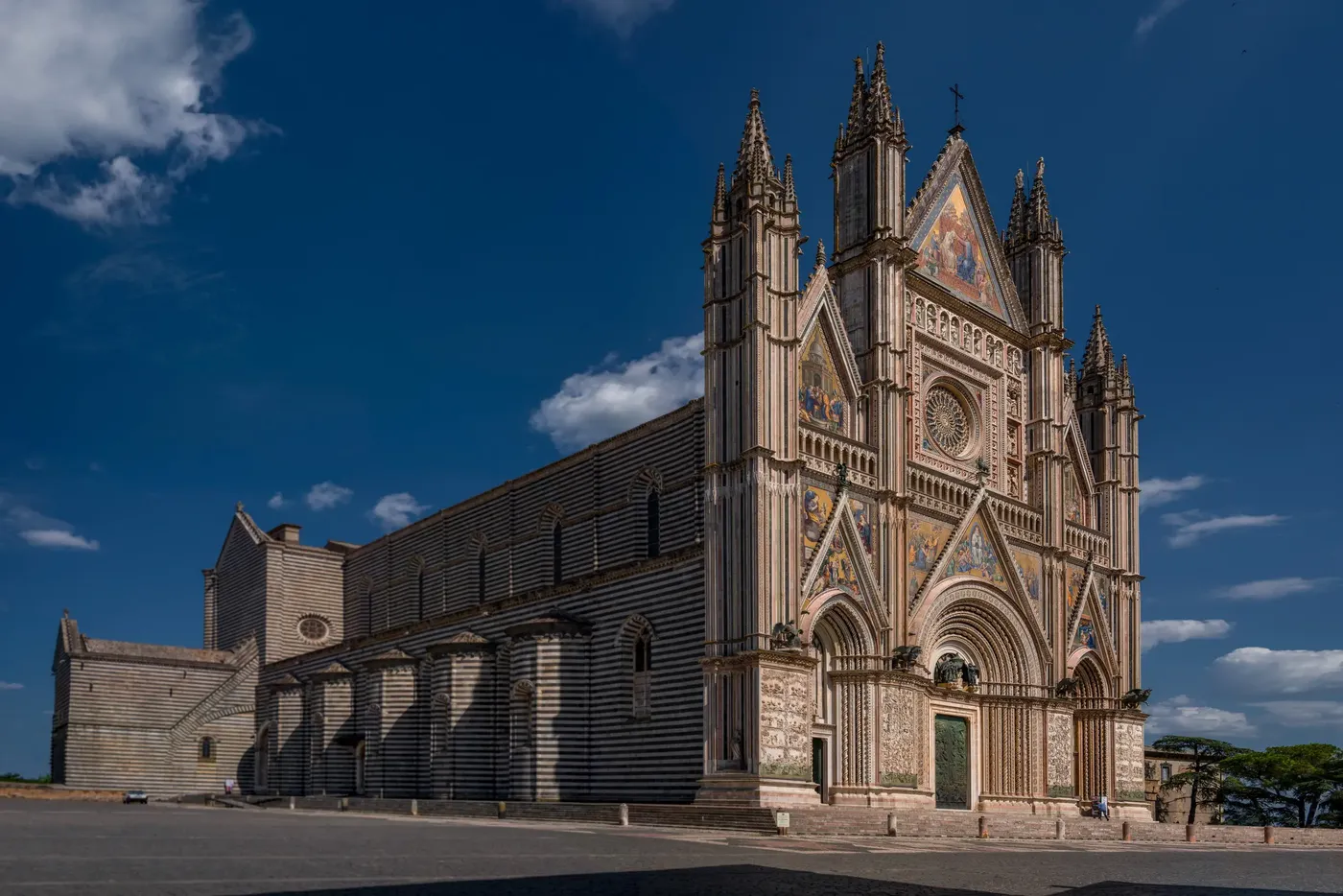
9. Civita di Bagnoregio and Orvieto
1 dayCivita is a dying town. A village atop a rock that is slowly crumbling away into the valley around it. The only way in is a long footbridge, and there's an entry fee. It's most beautiful in the morning, when the valley below lies in mist. In the afternoon, twenty minutes further on, Orvieto, another town on a tuff plateau, already in Umbria. Its cathedral, with a façade of golden mosaic, is among the most beautiful in Italy, and beneath the town you can descend St Patrick's Well.
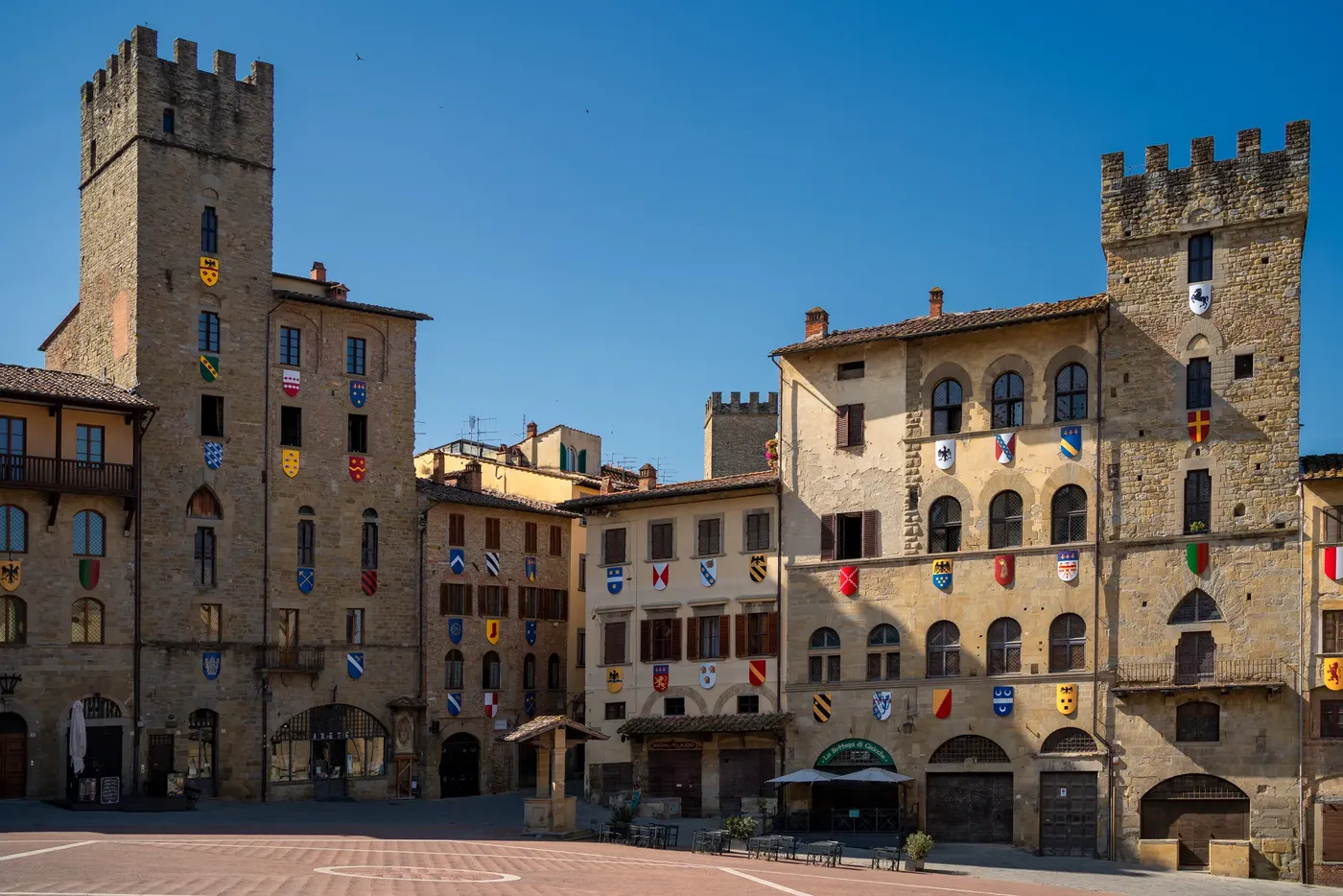
10. Arezzo and Caprese Michelangelo
1 dayFrom Orvieto it's an hour and a half on the motorway to Arezzo. Arezzo is Tuscany without the crowds. The sloping Piazza Grande, Piero della Francesca's frescoes and the streets where Roberto Benigni filmed Life Is Beautiful. In the afternoon, up into the hills of the Valtiberina to Caprese Michelangelo, the village where Michelangelo Buonarroti was born. His birthplace is now a small museum, and the view of the Apennines from the castle is worth the winding drive. You can stay in Caprese or nearby Sansepolcro, from where you cross the mountains the next day.
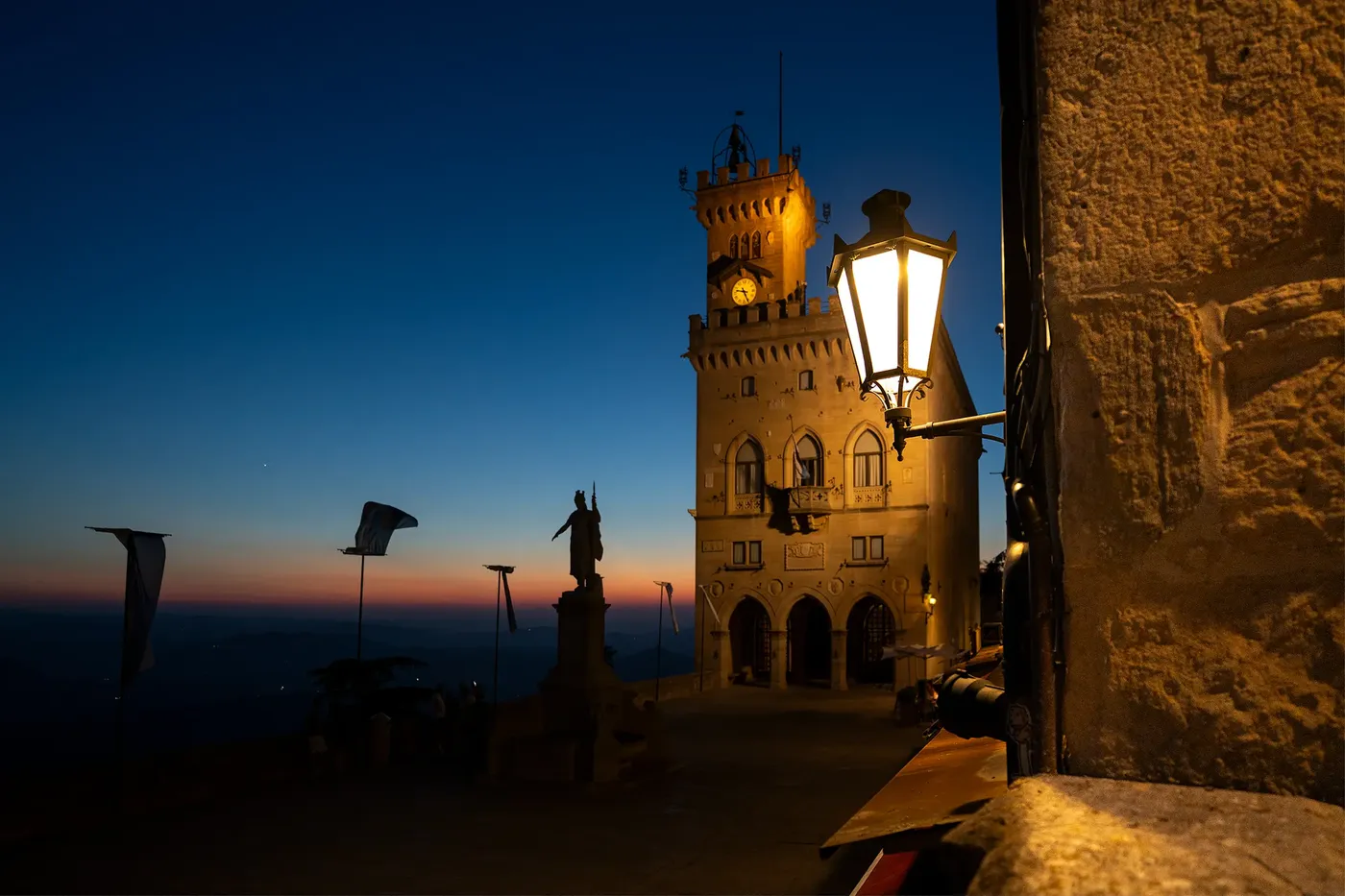
11. Across the Apennines to San Marino
morningIn the morning, from Caprese across the Apennines. The road twists over mountain passes and through villages tourists barely reach. That's how we went in 2020. In under two hours you're in San Marino, one of the smallest countries in the world: three towers on the ridge of Monte Titano and views all the way to the Adriatic.
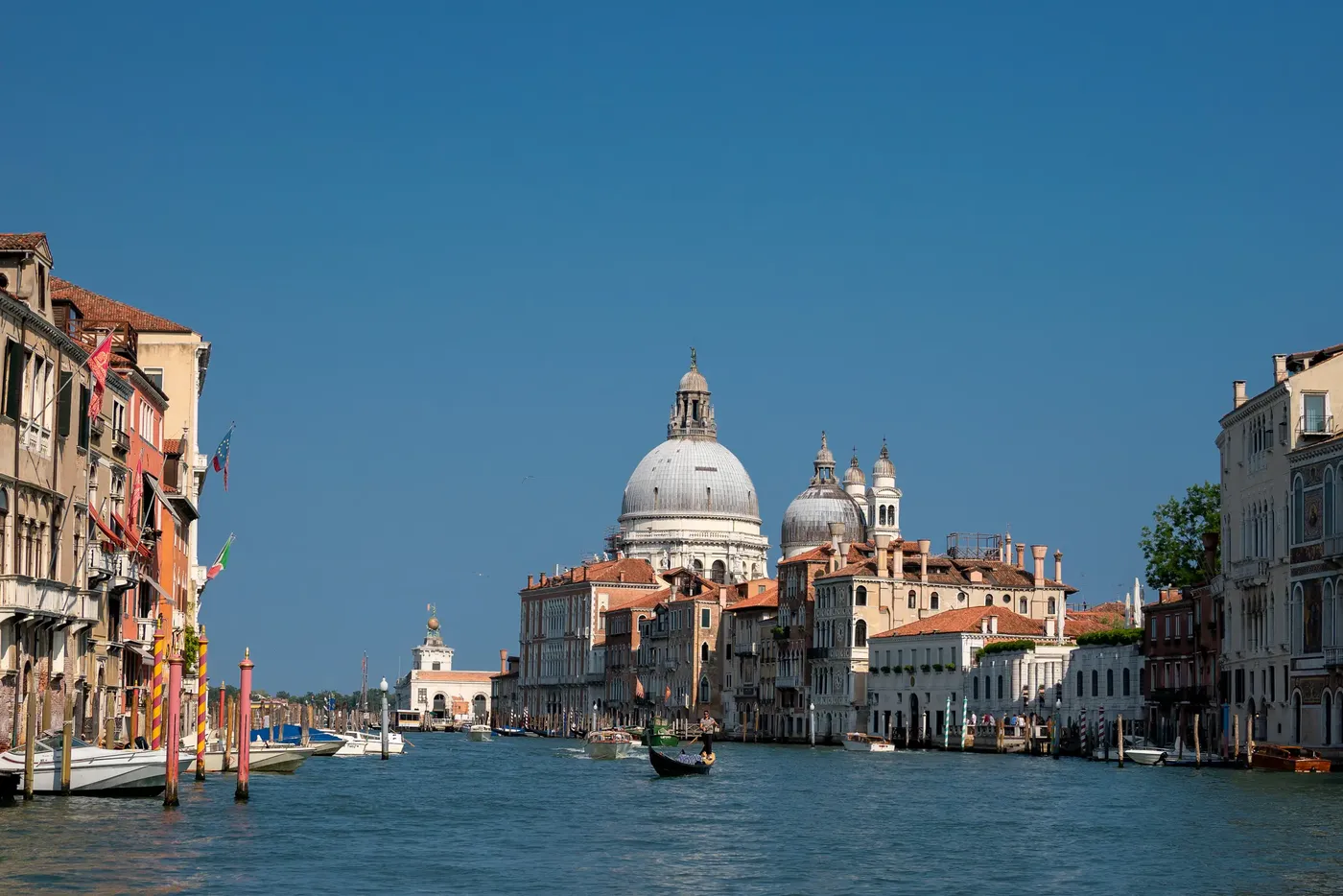
12. Venice
afternoon and 1 dayFrom San Marino by motorway past Ravenna to Venice, about three hours. You'll arrive in the afternoon, as the day-trippers leave and the city calms down. Leave the car at a car park on the mainland or at Tronchetto and continue by water. In the evening, the Grand Canal and St Mark's Square without the crowds. The next day is all Venice: in the morning a ferry to San Giorgio Maggiore and the view from its campanile, a wander through Dorsoduro and lanes day-trippers never reach, and in the afternoon a boat to colourful Burano. Cheaper accommodation is in Mestre on the mainland.
13. Venice → Prague – 1 day
Home through Austria: Udine, Villach, Salzburg and via Linz or Passau to Prague. Around 850 km and 9 hours of driving. If you don't want to do it in one go, stop overnight in Austria.
Route map
Where the Route Goes
How to Plan the Route
On the way there you go via the Brenner, as it's the shortest route to Verona. On the way back, across the Apennines, San Marino, Venice and Austria, so you don't drive the same road twice. Prague to Verona and Venice to Prague are each around 800 km and doable in a day.
Prague → Brenner → Verona → Florence → Vinci → Lucca → Pisa → Volterra → San Gimignano → Saturnia → Pitigliano → Civita di Bagnoregio → Orvieto → Arezzo → Caprese Michelangelo → Apennines → San Marino → Venice → Austria → Prague
- Padua instead of Venice: Venice gets very crowded in season. If you'd prefer a quieter city, you could choose Padua instead, one of Italy's hidden gems. More in the article Italy: All Roads Lead (Eventually) to Rome
- Motorways: Austria has an electronic vignette, plus a separate toll for the Brenner and the Tauern. In Italy you pay by card at toll gates. Germany is free for cars.
- Parking: In towns, paid car parks outside the walls. Blue lines are paid, white are free, yellow are for residents.
When to Go
May, June, September and October are best. It's warm but not hot, and the main sights are a little less crowded. We went in summer, when inland temperatures routinely top 30 °C and Florence can approach 40 °C. On the other hand, covid left the towns half empty, which won't happen in summer today. Autumn brings the grape and olive harvest, but October and November are also the wettest. In winter Tuscany is quiet and cheaper, though the days are short and the hills often in mist. Saturnia works all year round; in winter the warm water is all the better.
What Would Help Me Today
Hit the famous places first thing in the morning. Until ten o'clock Pisa, San Gimignano and Florence are almost yours alone. Then the coaches arrive.
Park outside the walls and don't trust the satnav. ZTLs are almost everywhere and the satnav doesn't know about them.
Buy Florence tickets in advance. The Uffizi, the cathedral dome and the Accademia with David have queues lasting hours in season.
Leave time for the small towns. The strongest experiences aren't in Florence but in places like Pitigliano or Civita, which you can only really reach by car.
FAQ
How many days do I need for Tuscany by car?
Thirteen days is enough for Florence, Lucca, Pisa, San Gimignano, the south with Saturnia, Pitigliano, Civita di Bagnoregio and Orvieto, Arezzo, and the return via San Marino with a full day in Venice, including two days for the drive from Prague and back. With ten days, skip the south; with two weeks, add a day in the south, where the programme is busiest.
How long is the drive from Prague to Tuscany?
Florence is around 1,000 km via the Brenner, 10–11 hours of driving. That's why I recommend staying overnight in Verona, roughly two-thirds of the way, which is worth a stop in itself.
What motorway charges do I pay?
In Austria, an electronic vignette plus a separate toll for the Brenner (and the Tauern on the way back). In Italy you pay tolls at the gates according to distance travelled. German motorways are free for cars.
What is a ZTL and how do I avoid a fine?
A limited traffic zone in historic centres. Entry is monitored by cameras and the fine arrives by post. Park outside the walls, and if your hotel is inside the zone, give them your number plate in advance.
When is the best time for Tuscany?
May, June, September and October. July and August are hot and busiest; winter is quiet but the days are short.
Are the Saturnia hot springs free?
Yes. The Cascate del Mulino are freely accessible day and night. Right next door is the paid Terme di Saturnia spa.