How much time for a trip to Rome
In fourteen days you can drive to Rome and back without the journey being just a transfer. That leaves four days for Rome itself and the Vatican, a day for Tivoli, and, on the way there and back, six towns worth stopping in: Venice, Ravenna, San Marino, Urbino, Loreto and Padua. The itinerary is a rough guide with no slack built in. If you can, add a day in Rome – you'll never run out of things to see.
Two of those days go on the drive from Prague and back, each around 830 km and 9 hours behind the wheel. Between stops the drives are mostly under two hours. Only two are longer: from Loreto over the Apennines to Tivoli, and from Rome to Padua.
Language
Italian; in tourist areas you'll get by in English
Currency
euro; San Marino uses the euro too
Payments
card almost everywhere; small change comes in handy for parking meters and little bars
Documents
an ID card is enough; Italy is in Schengen and there are no checks entering San Marino or the Vatican
Climate
best in April, May, September and October; in July and August Rome tops 30 °C
Driving
on the right; Italian motorways are tolled at toll gates
Motorway vignettes
Austria (electronic) plus a separate toll for the Tauern
Mobile
roam like at home under EU rules
Route (14 days)
From Prague via Linz, Salzburg and Villach to Venice, then south along the Adriatic coast: Ravenna, San Marino, Urbino and Loreto. Over the Apennines to Tivoli and on to Rome. Back by motorway to Padua and home through Austria. Total: drive there 1 + Venice 1 + Adriatic 3 + Tivoli 1 + Rome 5 (first day with a morning in Tivoli) + drive to Padua 1 + Padua 1 + drive home 1 = 14 days.
1. Prague → Venice
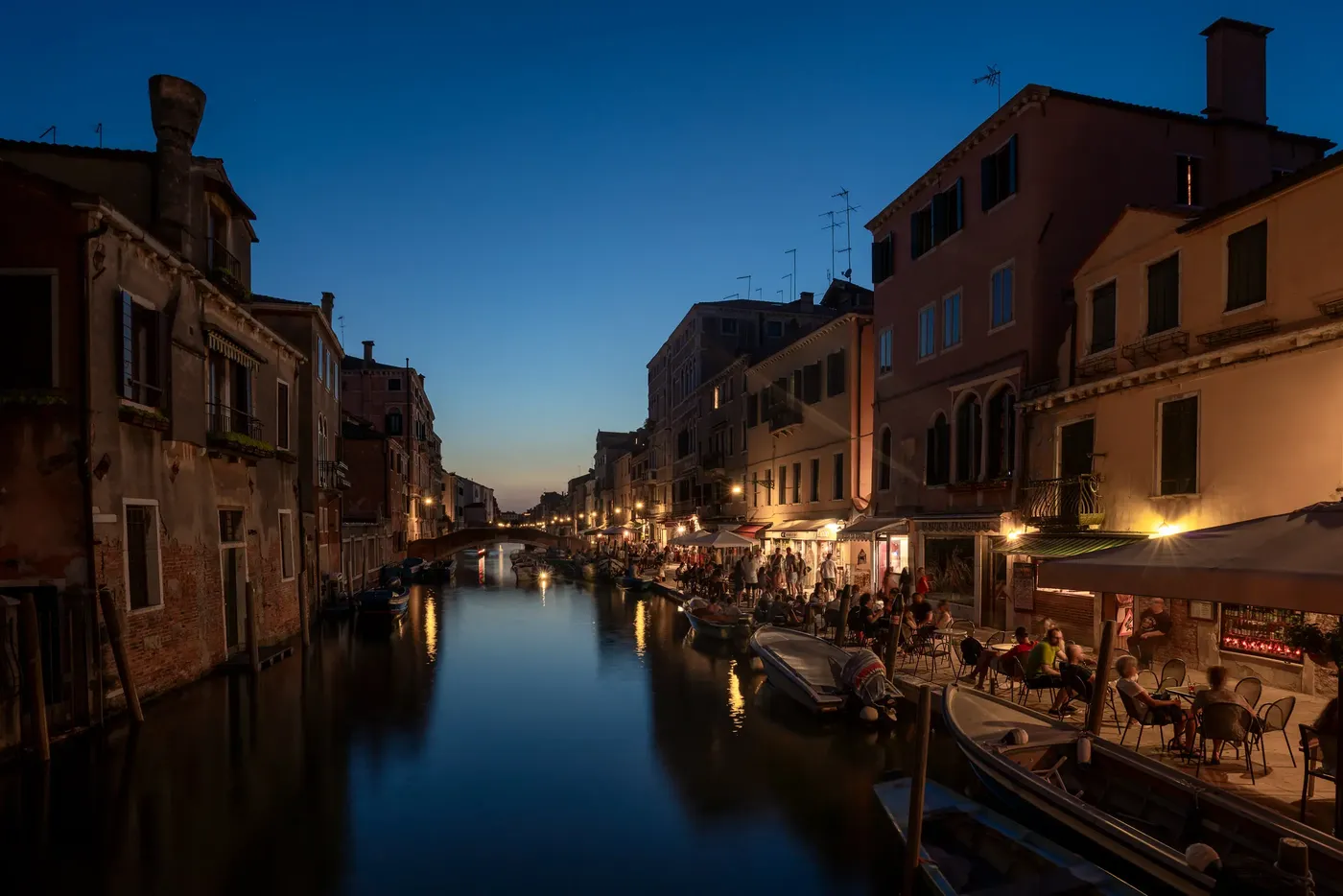
1 dayThe whole first day is motorway: Linz, Salzburg, the Tauern, Villach and over the border at Tarvisio down to the sea. Around 810 km and 9 hours of driving. Leave the car at the Tronchetto car park or in Mestre and carry on by water. The evening, once the day-trippers have left, is the best time for a first stroll.
2. Venice
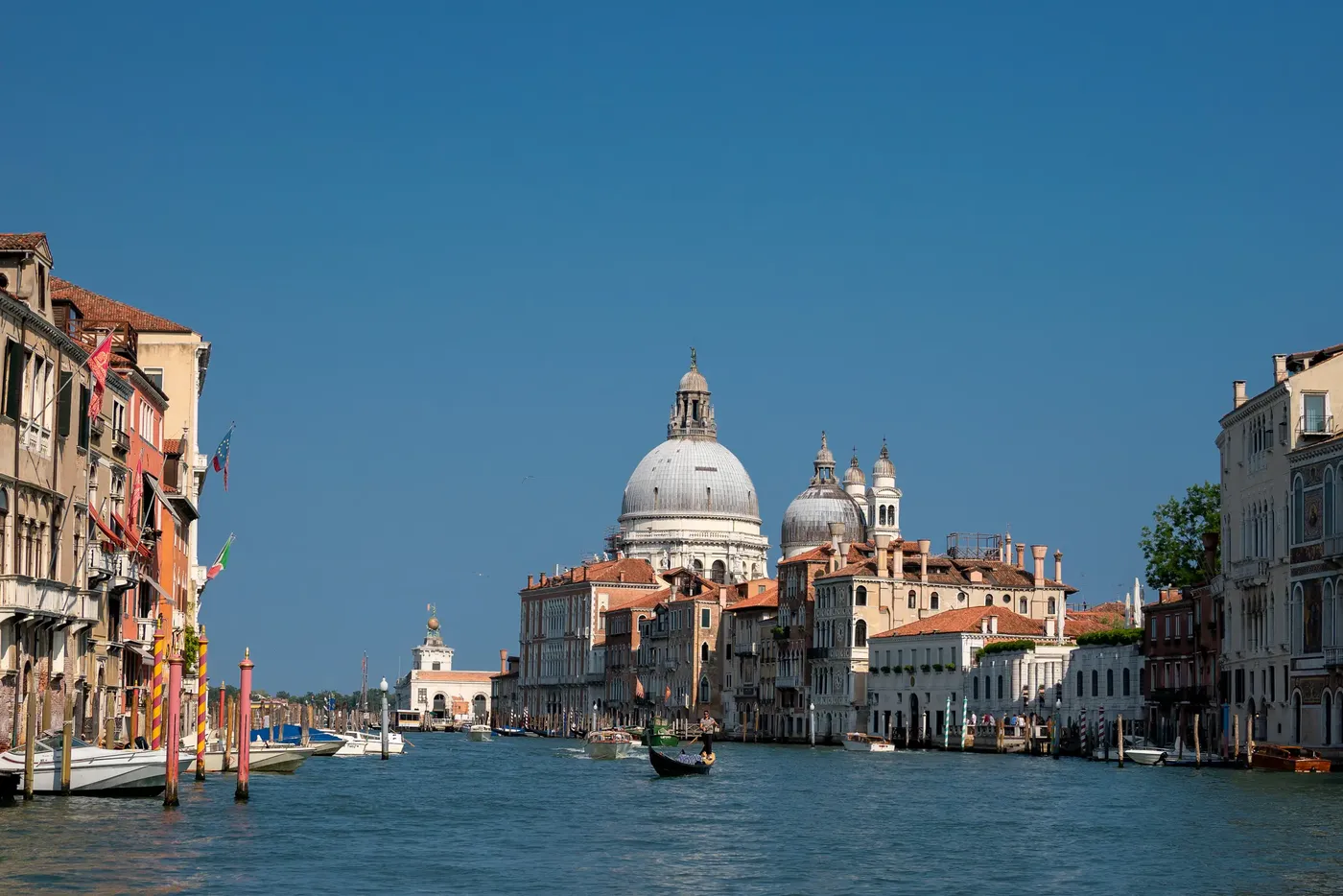
1 daySt Mark's Square in the morning before it fills up, then the ferry to San Giorgio Maggiore. The campanile offers a view over the whole of Venice and there are hardly any queues. In the afternoon, get lost in the lanes of Dorsoduro and Cannaregio, where the crowds don't reach. You can stay more cheaply in Mestre on the mainland. On selected days, day-trippers pay a fee to enter Venice. Overnight guests don't pay it, but check the dates and rules in advance.
3. Ravenna
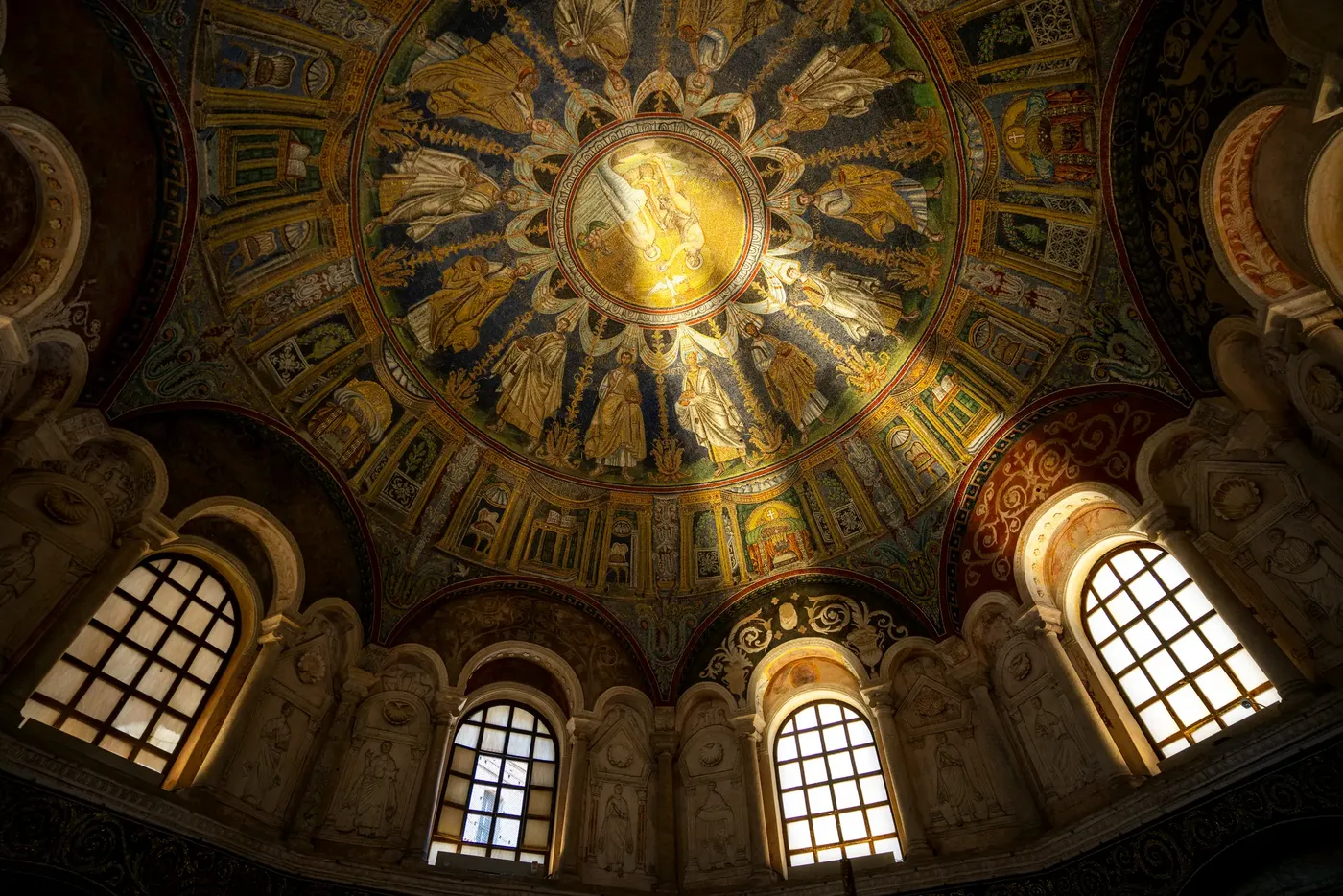
1 dayFrom Venice to Ravenna is about two and a half hours. Ravenna was once the capital of the Western Roman Empire and later of Byzantine Italy. It left behind mosaics you won't see anywhere else in Europe: the Basilica of San Vitale, the Mausoleum of Galla Placidia and the Neonian Baptistery with its golden dome. Eight of the town's buildings are UNESCO-listed, and there's a fraction of Venice's tourists. Dante's tomb is by the Basilica of St Francis.
4. San Marino and Urbino
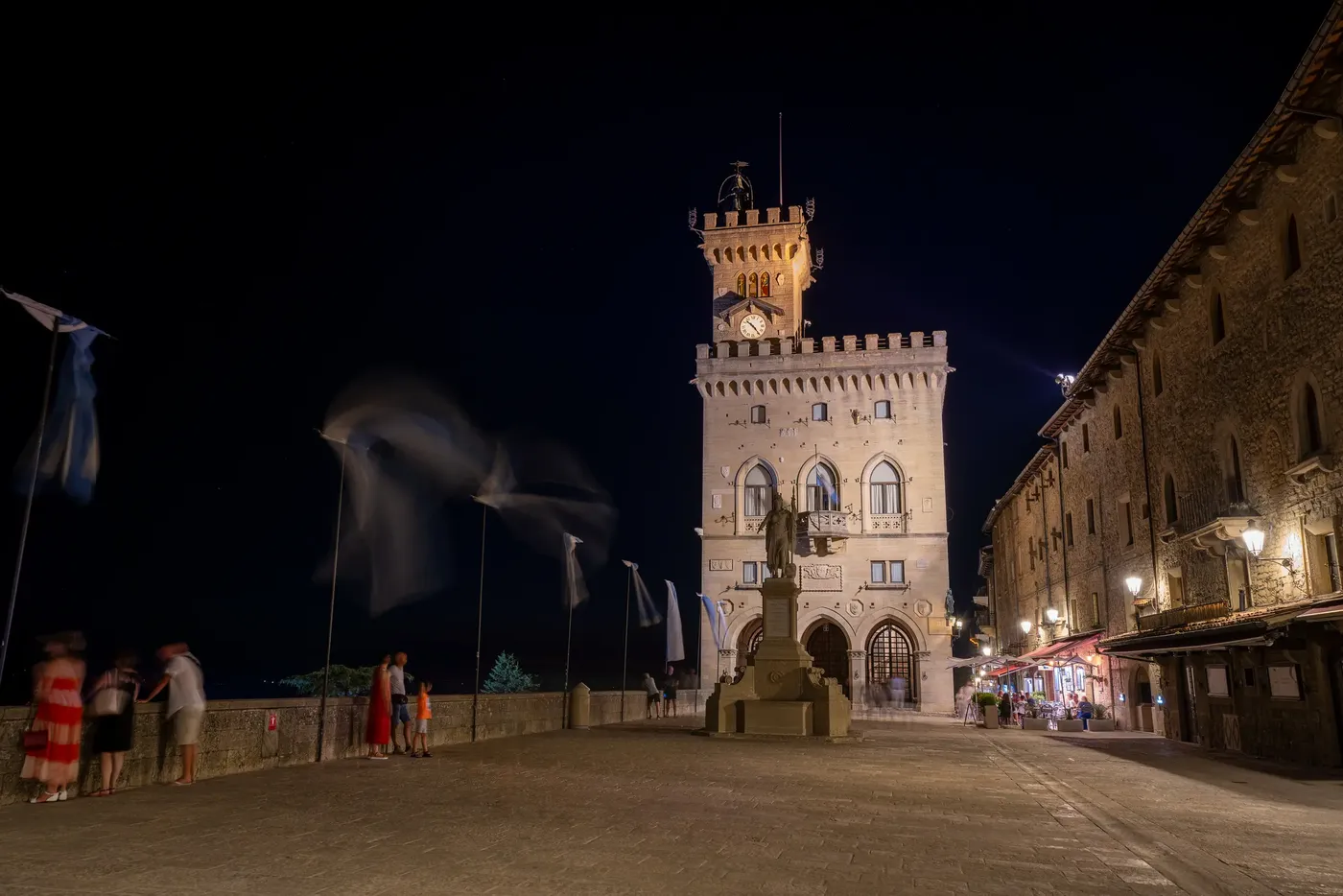
1 dayFrom Ravenna it's an hour and a quarter to San Marino, one of the world's smallest and oldest republics. Three towers on the ridge of Monte Titano, the Palazzo Pubblico town hall and views all the way to the Adriatic. In the afternoon, an hour along a winding road to Urbino, a Renaissance town on two hills. It is dominated by the Ducal Palace of Federico da Montefeltro, and the painter Raphael was born here. It's worth staying the night in Urbino itself; in the evenings the town belongs to students from the local university.
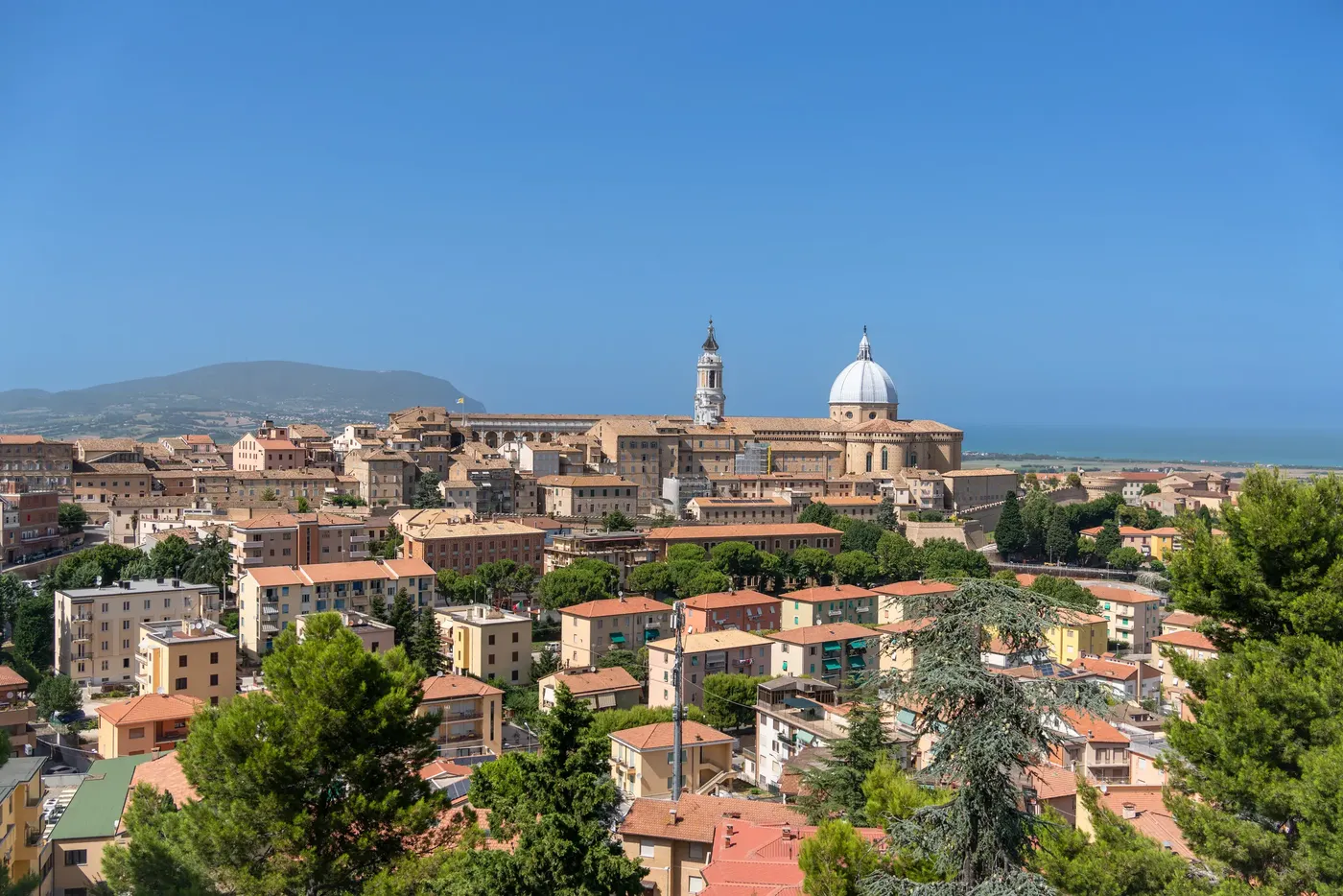
5. Loreto
1 dayFrom Urbino it's about an hour and a half back to the sea at Loreto. This hilltop town above the Adriatic is one of Italy's most important pilgrimage sites. The basilica holds the Holy House, according to legend the home of the Virgin Mary, carried here from Nazareth by angels. That's why Our Lady of Loreto is the patron saint of aviators. In the afternoon you can head down to the sea on the Riviera del Conero or to nearby Recanati.
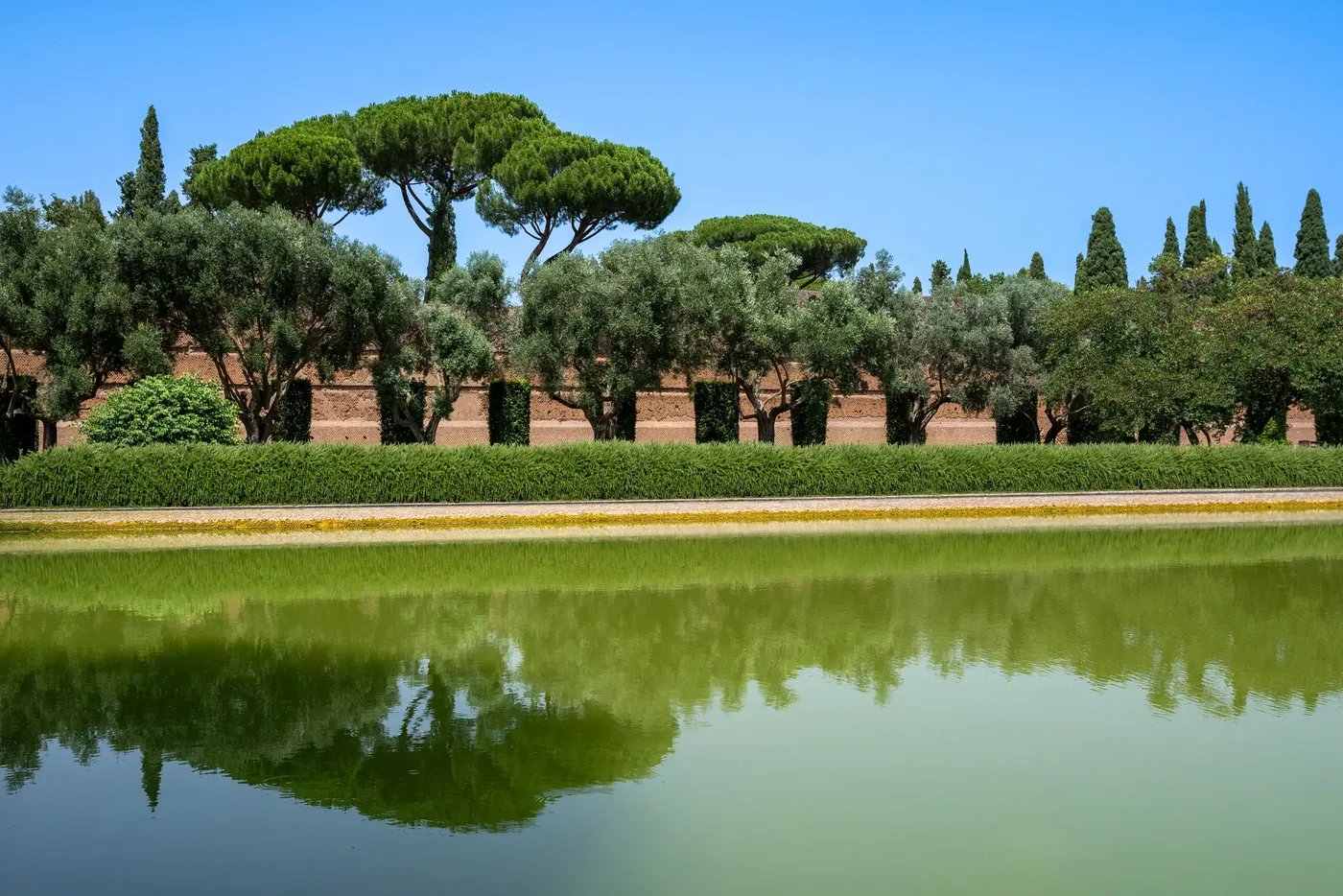
6. Tivoli
1 day and a morningFrom Loreto over the Apennines to Tivoli is around 260 km and just under three hours' driving, the road crossing the mountains and valleys of Abruzzo. In the afternoon, Villa Adriana, Emperor Hadrian's vast residence. It's more a whole city of palaces, baths and pools among olive trees. It's worth staying in Tivoli, noticeably quieter and cheaper than Rome. The next morning, Villa d'Este with its Renaissance gardens and hundreds of fountains; both villas are UNESCO-listed. Rome is then half an hour away, so you'll arrive in the afternoon, just in time for an evening stroll in Trastevere.
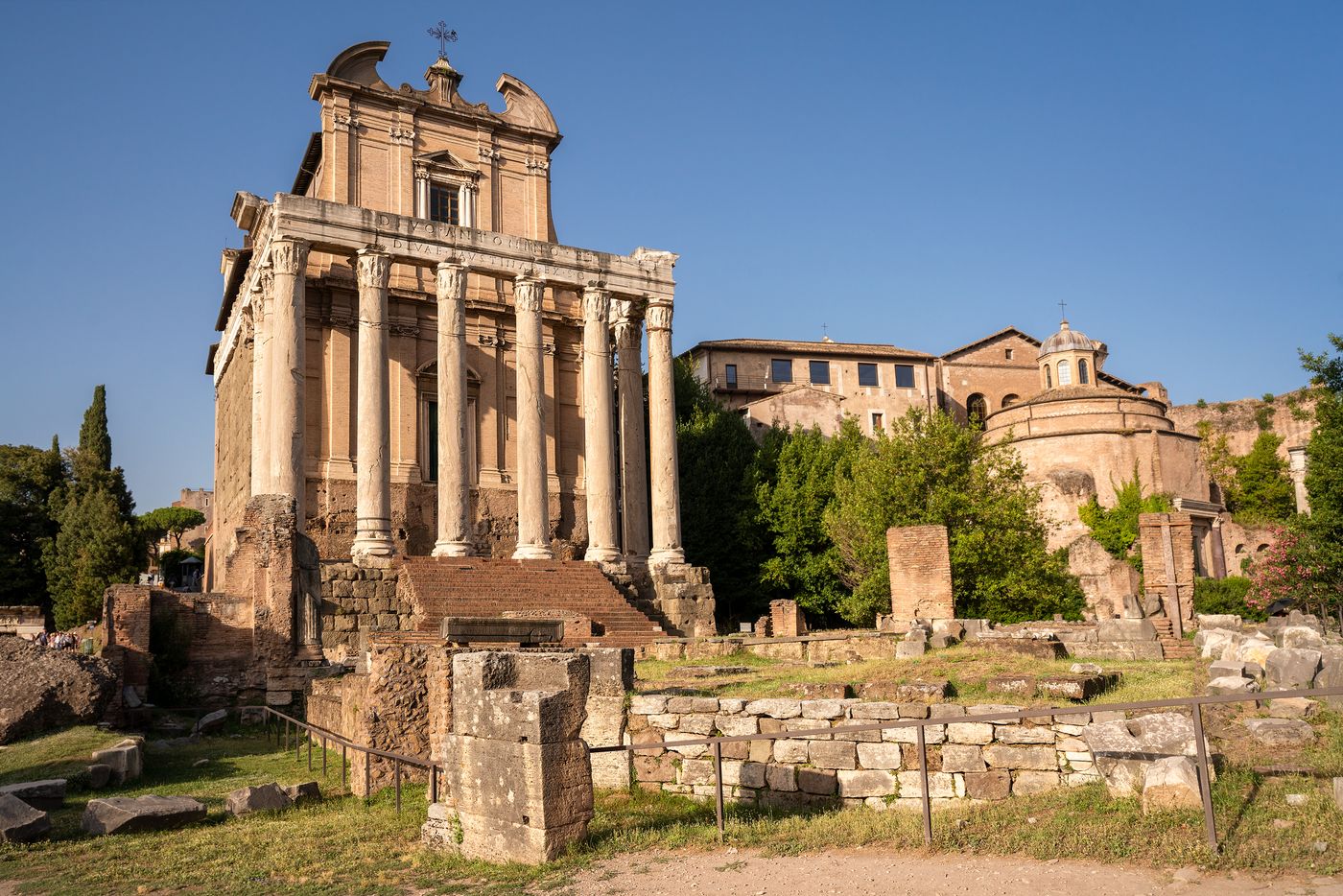
7. Rome: Colosseum, Forum and Palatine
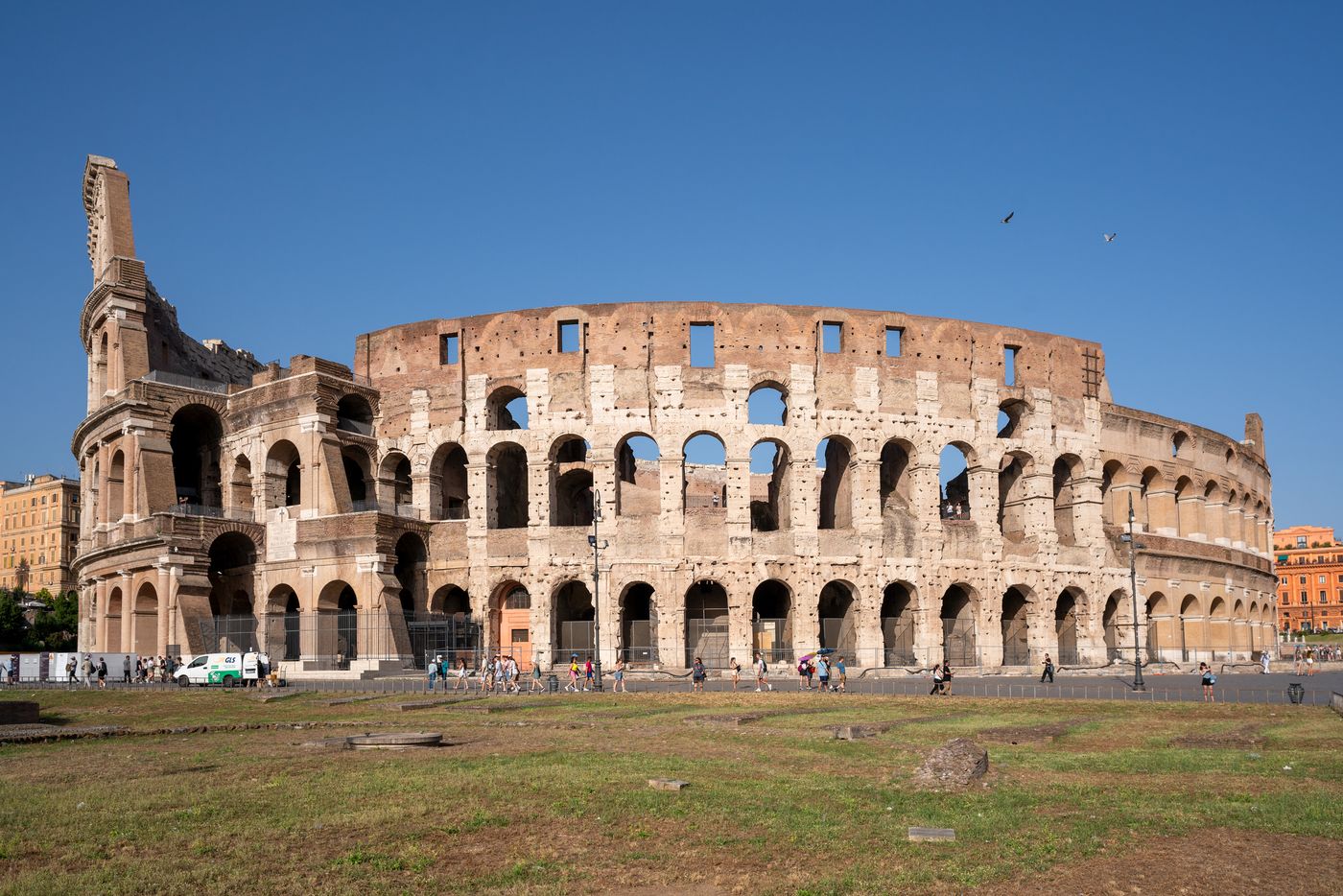
1 dayAncient Rome in a day. The Colosseum, the Roman Forum with the Temple of Antoninus and Faustina, and the Palatine, where the emperors' palaces stood. One combined timed ticket covers them all – buy it in advance. Do the Colosseum in the morning, the Forum and Palatine around midday, and in the afternoon climb the Capitoline for a view over the whole Forum.
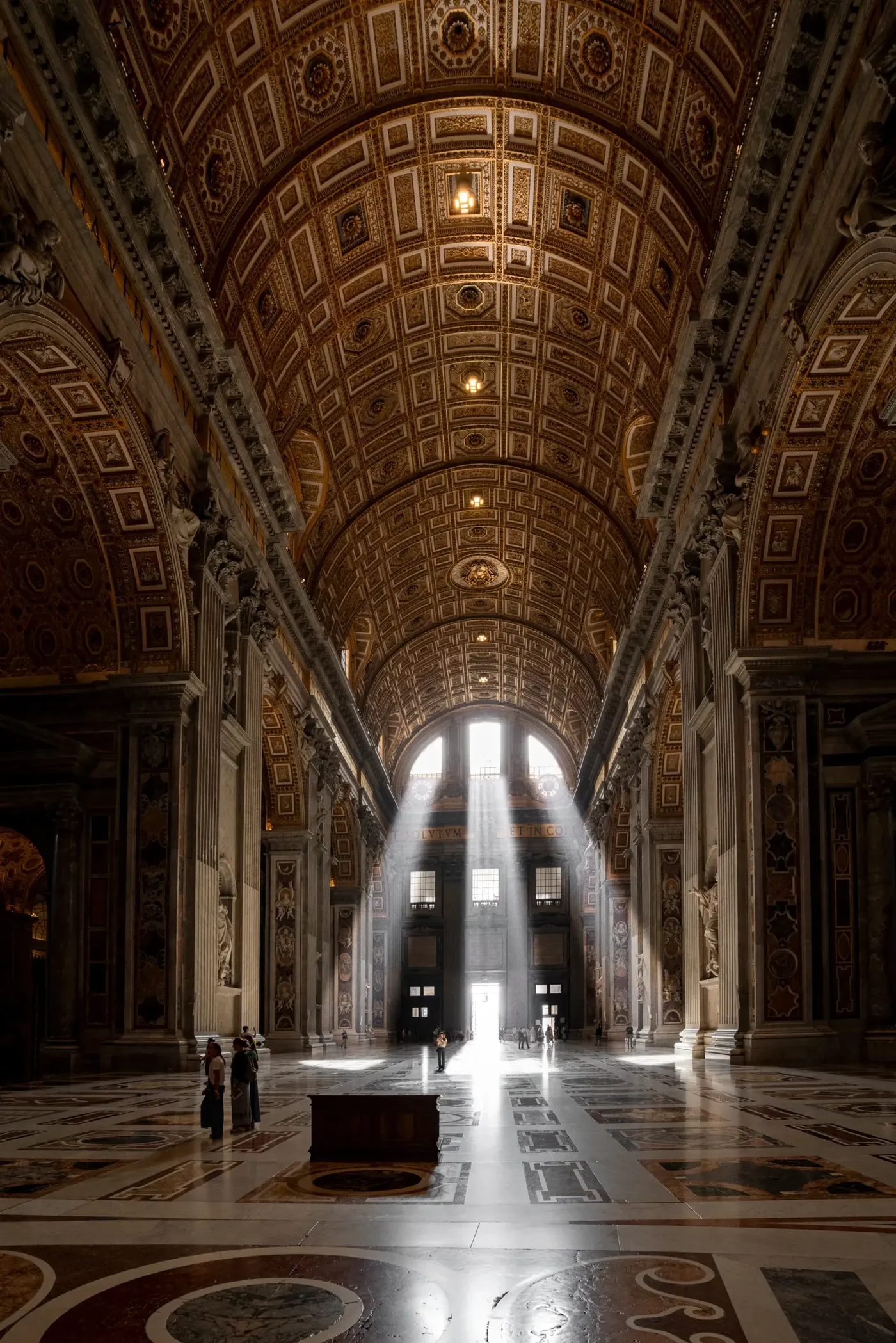
8. Vatican
1 dayThe world's smallest state deserves a whole day. The Vatican Museums and Sistine Chapel in the morning, St Peter's Basilica in the afternoon and the climb up the dome for views over St Peter's Square and all of Rome. Buy museum tickets in advance – without them the queue can last hours. The best gelato of the whole trip was at Old Bridge gelateria right beneath the Vatican walls. In the evening it's worth staying in the Art Nouveau Prati district, perhaps at the small restaurant 3 Quarti, where locals eat.
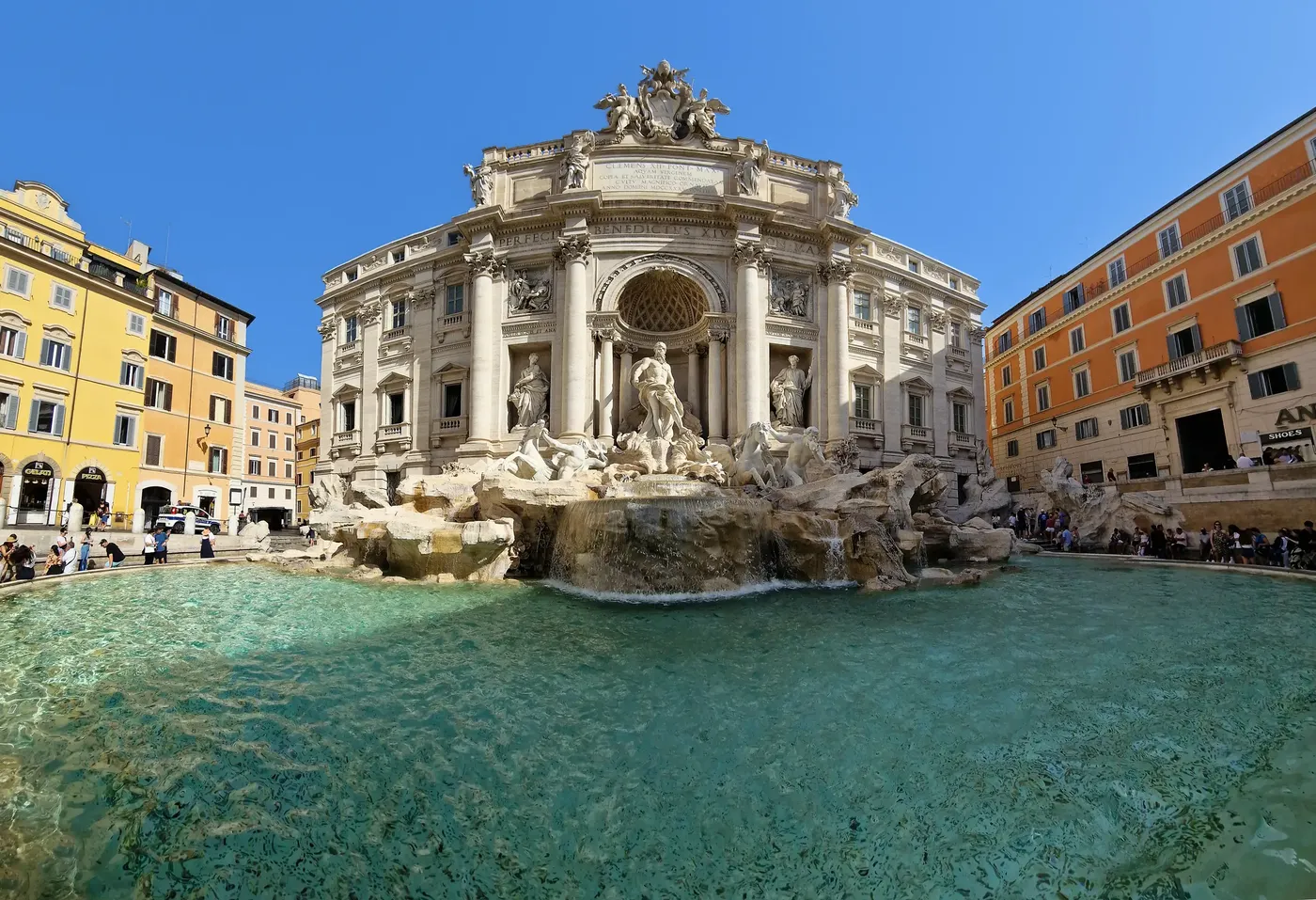
9. Rome: from the Pantheon to the Tiber
2 daysTwo days for the Rome you explore on foot. The Trevi Fountain, best visited early in the morning or late at night, the Pantheon, Piazza Navona and the Spanish Steps. The next day, down to the Tiber: Tiber Island, Trastevere and in the evening the view from the Janiculum. But Rome is at its best when you let the lanes lead you wherever they pull you.
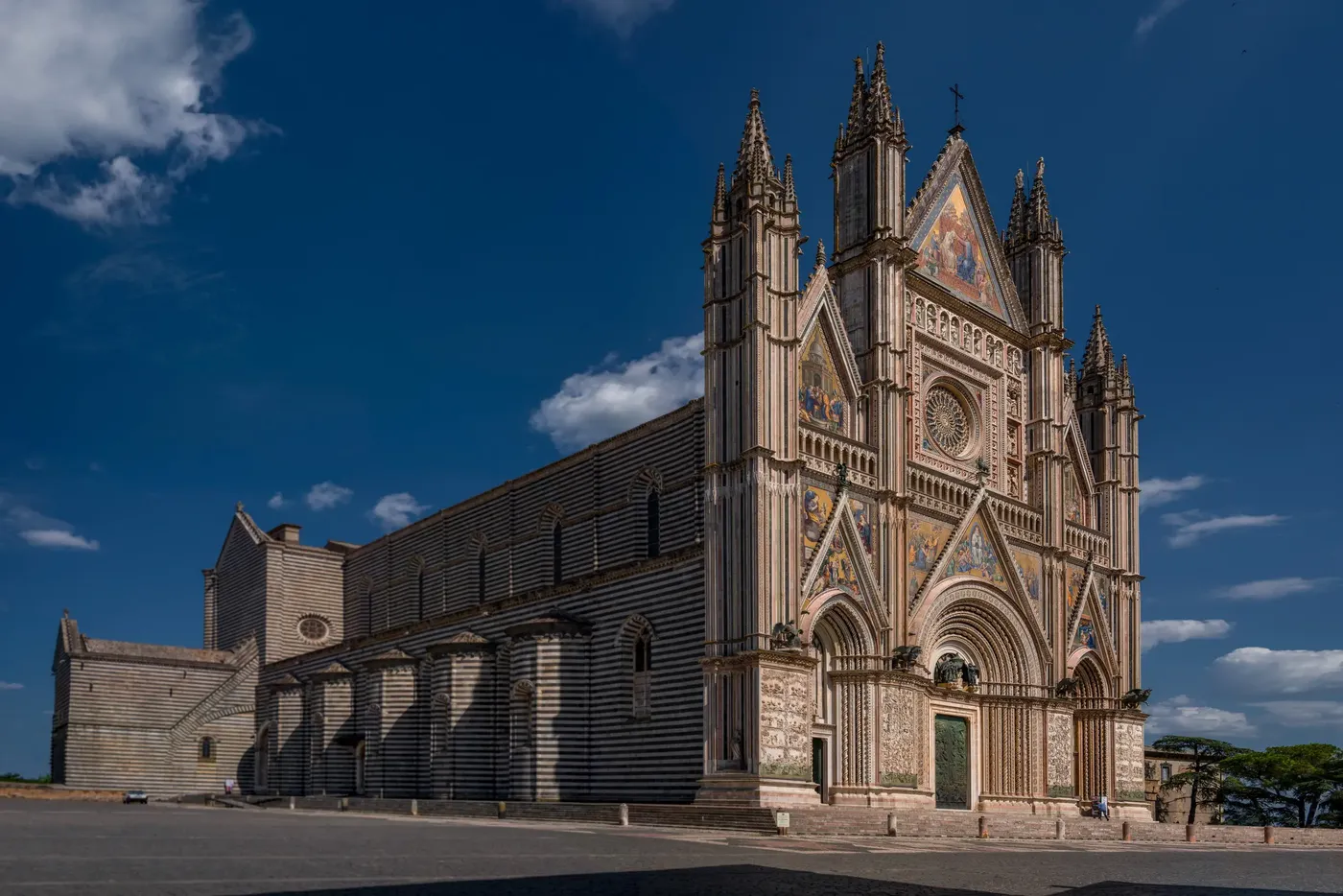
10. Rome → Padua
1 dayFrom Rome north on the A1 past Florence and Bologna, just under 500 km and five hours' driving. You'll reach Padua in the afternoon. To break up the journey, stop for lunch in Orvieto, right by the motorway.
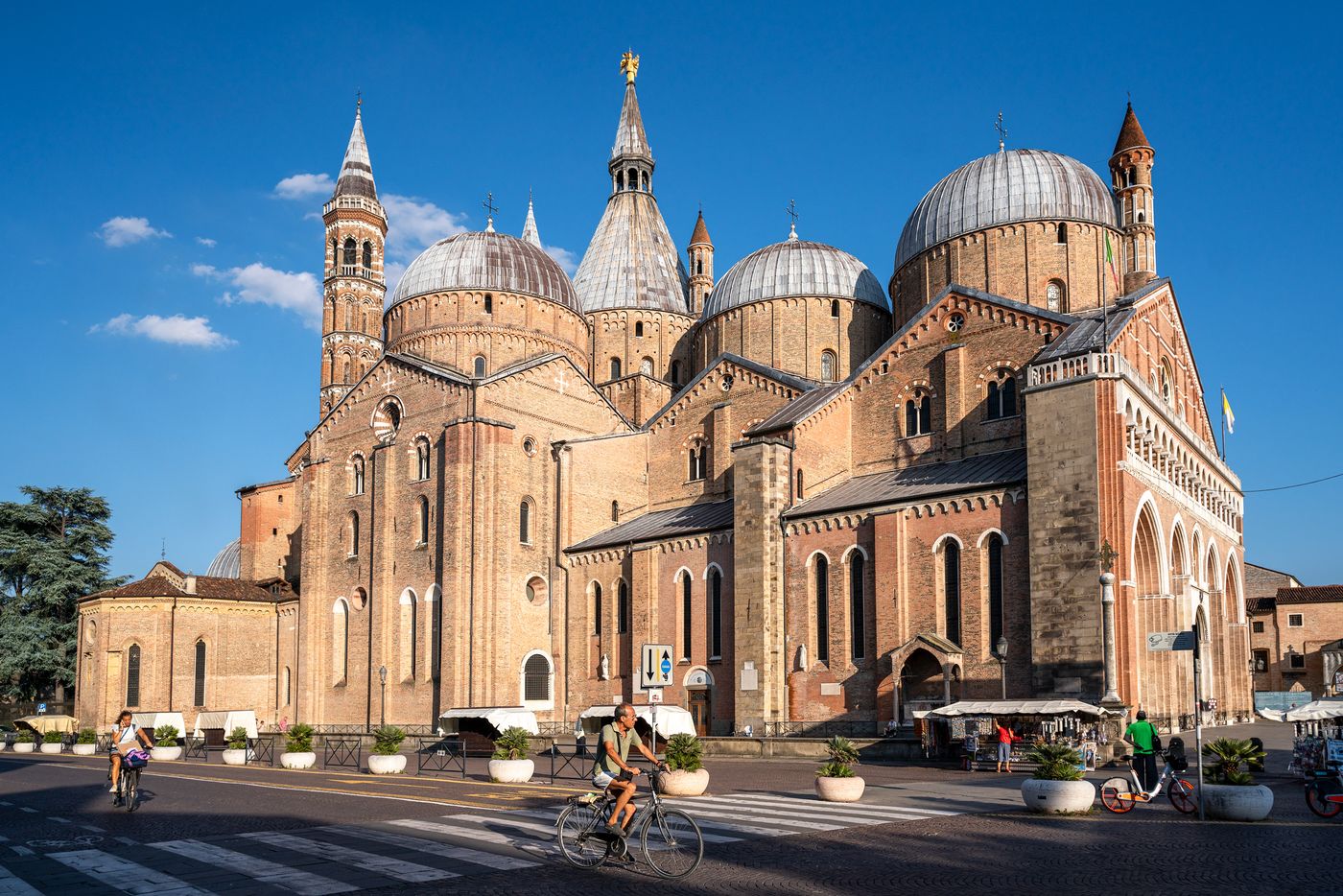
11. Padua
1 dayPadua is one of Italy's most underrated cities. Prato della Valle is one of Europe's largest squares, with an island ringed by a canal and statues. Nearby stands the Basilica of St Anthony, a goal for pilgrims from around the world. The Scrovegni Chapel with Giotto's frescoes can only be visited by reservation. The University of Padua is among the oldest in the world, and Galileo taught there. We had the best dinner of the whole trip here, at Il Vecchio Falconiere, where meat is cooked on sizzling-hot plates right at your table.
12. Padua → Prague – 1 day
Home through Austria: Udine, Villach, Salzburg and Linz. Around 840 km and 9 hours' driving. If you'd rather not go back the way you came, you can take the Brenner, Innsbruck and Munich. It's about 60 km longer.
How to plan the route
On the way out you drive through Austria to Venice and on down the Adriatic coast; on the way back, up the A1 to Padua. That way you never take the same road twice, and the longest drives fall on days when you'd only be moving on in Italy anyway.
Prague → Austria → Venice → Ravenna → San Marino → Urbino → Loreto → Tivoli → Rome → Padua → Austria → Prague
- More time in the south: With three weeks, you can carry on south from Rome to the Amalfi Coast, around three and a half hours from Rome. More in the article Italy: The Amalfi Coast – the most beautiful 48 km of coastline in Italy
- Back through Tuscany: Instead of the A1, you can return from Rome via Orvieto, Civita di Bagnoregio and Florence. More in the itinerary Tuscany by Car from Prague
- Motorways: In Austria, an electronic vignette plus a separate toll for the Tauern, and if you go via the Brenner, for the Brenner too. In Italy you pay by card at toll gates according to distance driven.
- Parking: In towns, use paid car parks outside the walls. Blue lines are paid, white are free, yellow are for residents.
When to go
April, May, September and October are best. It's warm enough for walking around Rome, and the Adriatic is already, or still, inviting. We went in July, when Italy was baking under the Cerberus heatwave and Rome topped 40 °C. Sightseeing was then only possible in the mornings and evenings. October and November are Rome's wettest months; winter is quiet and cheaper, though the days are short. Easter and Christmas are exceptionally busy in Rome and the Vatican.
What would help me today
Buy tickets for Rome in advance. Especially for the Sistine Chapel and the Vatican Gardens tour – think about those up to six months ahead. The Colosseum and the Scrovegni Chapel in Padua also have timed entry and sell out days ahead in season.
See the sights in the morning and evening. The Trevi Fountain, St Peter's Square and St Mark's Square are completely different places early in the morning. And in summer it's the only time you can bear being outdoors.
Don't skip the smaller towns. Ravenna, Loreto and Padua can easily hold their own against Rome and are among Italy's hidden gems, where few tourists go.
Don't use the car in Rome. In four days in Rome we didn't need it once.
FAQs
How long does it take to drive from Prague to Rome?
It's around 1,300 km and 13–14 hours of driving. I don't recommend doing it in one go. It's best to split the journey and stay overnight in Venice, as in this itinerary.
How many days do I need for Rome?
Four: one for ancient Rome, one for the Vatican and two for the centre and Trastevere. That's exactly how long we spent there. An extra day is worth it for Tivoli, ideally on the way into Rome.
Where can I park in Rome?
Outside the ZTL. Either accommodation with its own parking beyond the zone, or a guarded car park by a metro terminus. Then get around by metro and on foot.
Do I need to buy Vatican and Colosseum tickets in advance?
Yes. Both have timed entry and sell out several days ahead in season. Buy them on the official websites, not from touts at the entrance.
Do you have to pay to enter Venice?
On selected days, yes – day-trippers do. If you stay overnight in Venice, you don't pay the fee. The dates change every year, so check them before you go.
When is the best time to visit Rome?
April, May, September and October. Summer is hot and at its busiest, and at Easter and Christmas Rome is exceptionally crowded.