WHEN TO GO
When to go to Morocco is a very difficult question. You could say pretty much any time. The limitation lies more in what you're looking for and what you want to do there. I've been to Morocco twice. Once in January and now, the second time, in August. And both had their pros and cons.
HOW LONG?
Something between a week and a month is ideal. It depends a lot on what you'll be doing. Do you just want to laze on the beaches and go out to restaurants, or are you looking more for sights and the genius loci? Or do you want to trek in the Atlas?
DAILY BUDGET
Morocco isn't expensive. Especially once you leave the tourist spots. Away from the tourist "concentrations", prices are very pleasant and you can keep your daily budget (including the car) at around 40 EUR for two per day.
VISAS
Czech citizens (and EU citizens in general) don't need a visa for stays shorter than 90 days. All you need is a passport valid for more than 6 months after your return.
GETTING TO MOROCCO
Flying from Prague to Morocco is as easy as travelling around Europe. Really. There's a direct flight from Prague to Agadir, and with a connection? Then you can fly to many other places. Or you can fly from Vienna, Berlin or Kraków.
GETTING AROUND MOROCCO
The first thing to say is that probably the best and most reliable way of getting around is renting a car. You can use local buses and minibuses, but they're fairly unreliable and also often "deliberately" don't go to the TOP places.
Morocco isn't expensive. Especially once you leave the tourist spots. Away from the tourist "concentrations", prices are very pleasant and you can keep your daily budget (including the car) at around 40 EUR for two per day
Czech citizens (and EU citizens in general) don't need a visa for stays shorter than 90 days. All you need is a passport valid for more than 6 months after your return
The first thing to say is that probably the best and most reliable way of getting around is renting a car. You can use local buses and minibuses, but they're fairly unreliable and also often "deliberately" don't go to the TOP places.
I'VE BEEN TO MOROCCO TWICE. IN 2007 AND THEN IN 2023. AND ALTHOUGH A LOT HAS CHANGED, MOROCCO STILL HAS PLENTY TO OFFER.
- My first trip took me to the classic places such as Marrakesh, Ait Ben Haddou, Casablanca, the tanneries in Fez and the desert dunes around Merzouga. But I also visited Taroudant, the area around Tafraoute and the cisterns in El Jadida Morocco: the first trip – 2007
The second trip, by contrast, kept away from the tourist places. Through the Ounila Valley and the Fint oasis to Zagora and on to M’Hamid El Ghizlane. Then across the Atlas to Moulay Idriss and via Azemmour right into the heart of the High Atlas beneath Jebel Toubkal –
- Morocco: the second trip – 2023
Morocco in general
Language: In Morocco you can communicate in either Arabic or French. In tourist places people sometimes speak English (since my last visit their English has improved by about 200%), but it's not quite enough for proper communication. Or rather, if someone speaks good English, they're very often involved in tourism and will want to sell you something by the second sentence. Currency: The official and only currency is the Moroccan dirham (MAD). Currently (08/2023) the rate is 1 MAD = 2.25 CZK. Credit cards and ATMs: Morocco is a cash country. So the first thing I recommend doing after landing in Morocco is withdrawing cash. And here's the first catch – the withdrawal limit: the maximum amount you can take out of an ATM is 2,000 MAD. Some ATMs charge a withdrawal fee (20 MAD – all of them at the airport). Another catch is that the smallest note they dispense is 100 MAD. And although it may not seem like much, people often don't have change even for that. Plugs: The electrical plugs are the same as in Czechia, so no adapter is needed. Regardless of the socket type, the voltage throughout Morocco is 230 V and 50 Hz.
Services in Morocco
Mobile services and data: You can buy a Moroccan prepaid SIM card in person at international airports, in mobile operators' shops, in general stores or online. I bought mine straight away at Marrakesh airport. You'll find the operators' stands right after leaving the duty-free zone, once you've collected your luggage (that's a change, as last year the operators were apparently at baggage reclaim). Morocco has three operators – Maroc Telecom, INWI and Orange. Orange is probably the worst choice, with good coverage only along the coast. All the operators offer packages (e.g. 20 EUR = 20GB of data for 30 days) and after payment they'll do the full network registration. And one more thing to watch out for: you can only pay in cash – either in MAD or EUR. Car hire: If you don't want to entrust your travels to public transport, renting a car is the ideal way. Moroccan airports are served by most of the world's rental companies (you'll need a credit card for those), and there are also plenty of local rental firms in Morocco. It's always just a matter of booking in time, because especially in summer prices often go up quite a bit with the start of the holidays.
Travelling in Morocco, or my journey through Morocco
Putting together an itinerary for this year's (2023) Morocco wasn't easy at all. Not that Morocco is so demanding, but this time my planning was disrupted by this year's incredible heat and a forecast for Morocco of over 43C in the shade.
In the end I ruled out places I'd already been to (apart from a few) and set off on a rather off-the-beaten-track route. And I have to say it was a great idea, and in the end even the weather worked out. We spent the hottest spell in the Atlas, where it was simply bearable.
The whole itinerary was built around having a car. I can imagine doing it by public transport, but it would take much longer and wouldn't necessarily be cheaper.
What's more, you'd miss out on the personal experience of Moroccan roads and tracks from the driver's seat. Especially those crossing the High Atlas or desert landscapes. Narrow, with asphalt giving way to gravel, sand and potholes, clinging high on mountainsides with room for about one and a half cars. But full of stunning views and often real solitude. In the Atlas it's quite possible to drive for two hours without meeting a single car. And that's an experience in itself. More on driving below, but it'll be mostly facts.
Driving in Morocco – conditions
A Czech driving licence is enough to drive or rent a car in Morocco. That's simple. But what next?
- The speed limit is 120 km/h on motorways and 60 km/h in towns. Outside towns it varies, from 80 km/h to 100 km/h. I recommend sticking to the limits – speed checks are really frequent. If you do happen to speed and get caught, the fine is between 150 MAD and 400 MAD. You'll always get a receipt, but you're expected to pay the fine on the spot. If you can't pay, your licence may be confiscated and handed over to the local court, where you'll pay the fine.
- Petrol isn't exactly cheap in Morocco (approx. 15 MAD per litre), even though it's subsidised by the government. Diesel is a little cheaper (less than 12 MAD per litre). I recommend always filling up completely – in the countryside petrol stations are often far apart and frequently closed.
- Always wear your seatbelt – it's required by law and it's also one of the conditions of the car insurance. Although enforcement is fairly lax, people do get stopped. Drivers are responsible for all passengers in the vehicle.
- The permitted blood alcohol level is higher than in Czechia, but even so it's only 0.02%, so under no circumstances drink and drive.
- Allow for longer journey times than online maps suggest. And bear in mind that if you're heading to or from the Sahara, several long days of driving await you. Plan accordingly
Tips for driving in Morocco
- Tip 1: rent a car from a reliable company! Many car rental firms in Morocco are known for not returning the deposit or holding on to it for a long time. Or for inventing non-existent damage. So it's a good idea to photograph the car thoroughly when you pick it up.
- Tip 2: bad roads The quality of roads in Morocco has improved greatly; only a few roads (mainly) across the Atlas are still gravel. So it's sensible to allow extra driving time.
- Tip 3: don't drive in the dark! Don't drive before sunrise or after sunset: Morocco has no street lighting and driving after dark is dangerous.
- Tip 4: pay close attention to police checkpoints! If you see a row of stop signs side by side, it means a police checkpoint, so slow to walking pace!
- Tip 5: air conditioning is a must!
Places of interest
Morocco really has a lot of interesting places. It just depends on what you're looking for. And since this time I travelled off the classic tourist routes, it was quite hard to pick the TOP ones. Marrakesh isn't among them, as it didn't win my heart last time and not much has changed since. Nor are the Ouzoud Falls, which I judged to be a Disneyland for locals. And Fez, Merzouga, Casablanca or El Jadida aren't there either, because I didn't go there this time. But if you're heading that way, they're worth it.
01
Azemmour
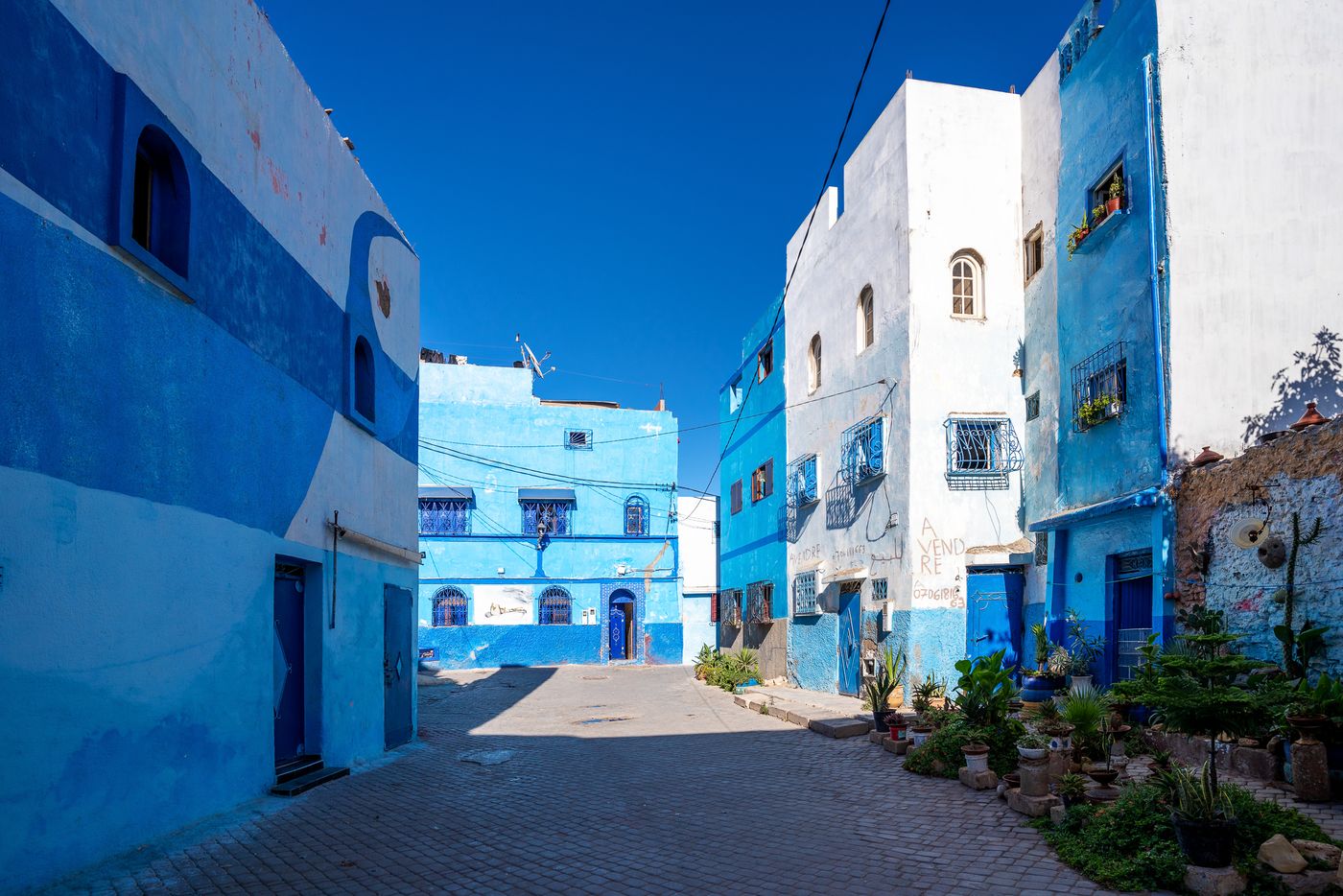
Beautifully perched on a cliff overlooking the Oum Er-Rbia River, just before it flows into the ocean, it's a (hidden) Moroccan gem with a thousand-year history and a heritage shaped by several civilisations. Berbers, Jews, Muslims, Portuguese, Spaniards – all of them left their mark here and shaped the town over thousands of years.
02
Oasis de Fint
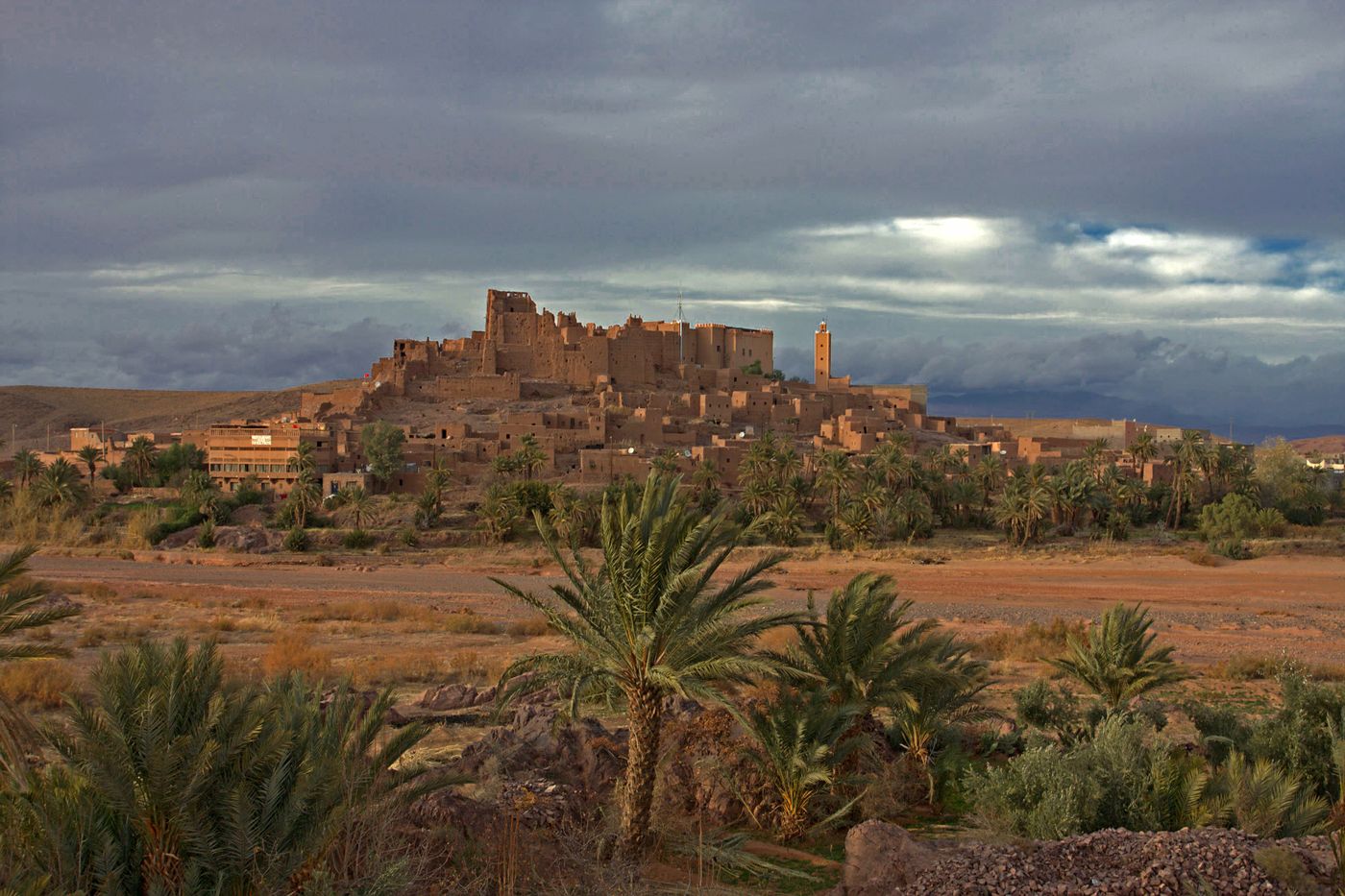
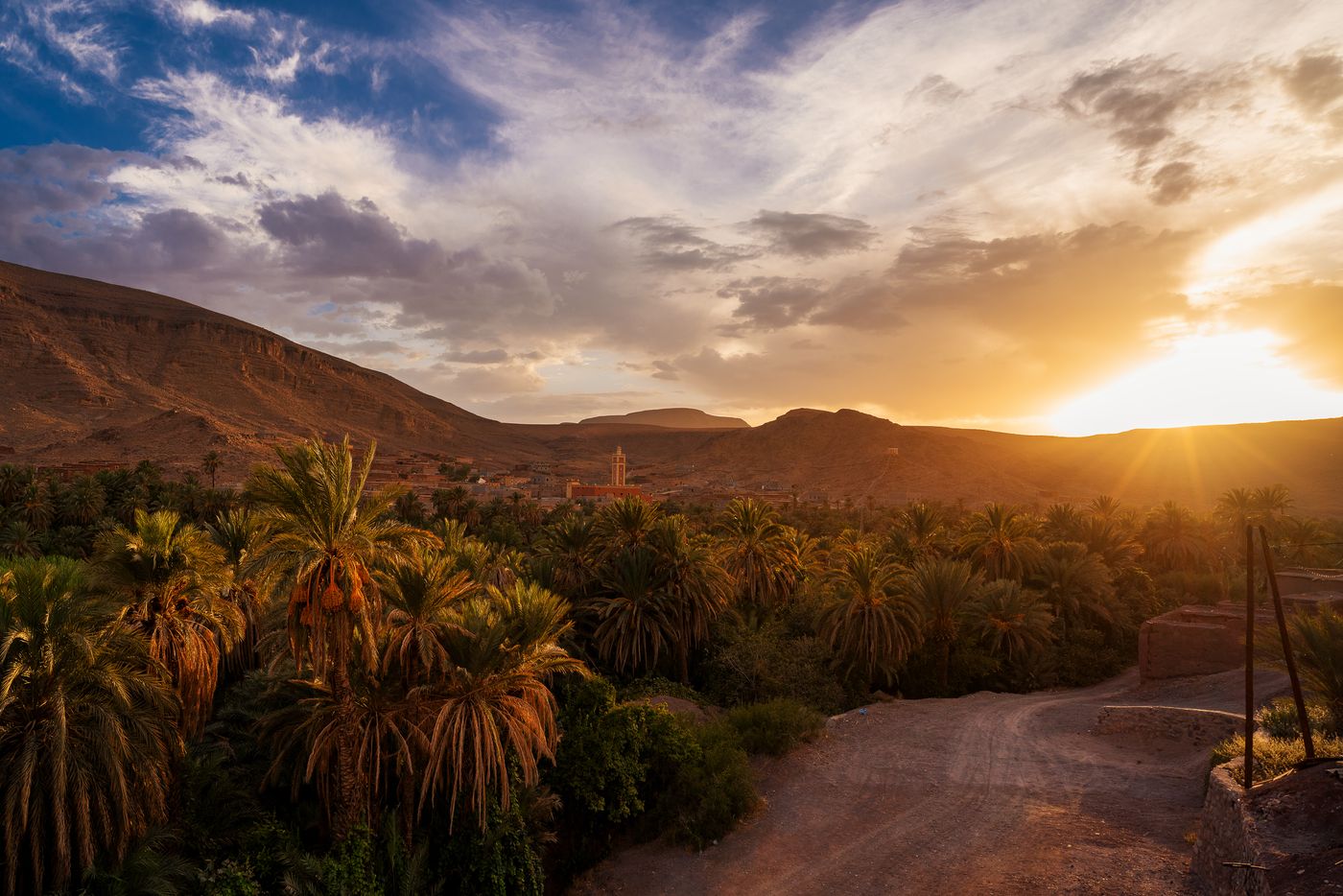
A forgotten Berber oasis near Ouarzazate. Tucked away in a remote, forgotten valley along a river, the oasis transports you to the world of the Thousand and One Nights. Small mud-brick houses, a mud-brick mosque and fields of date palms stretching all around. In the evening the whole oasis is filled with calm, silence and the aroma of simmering tagines.
03
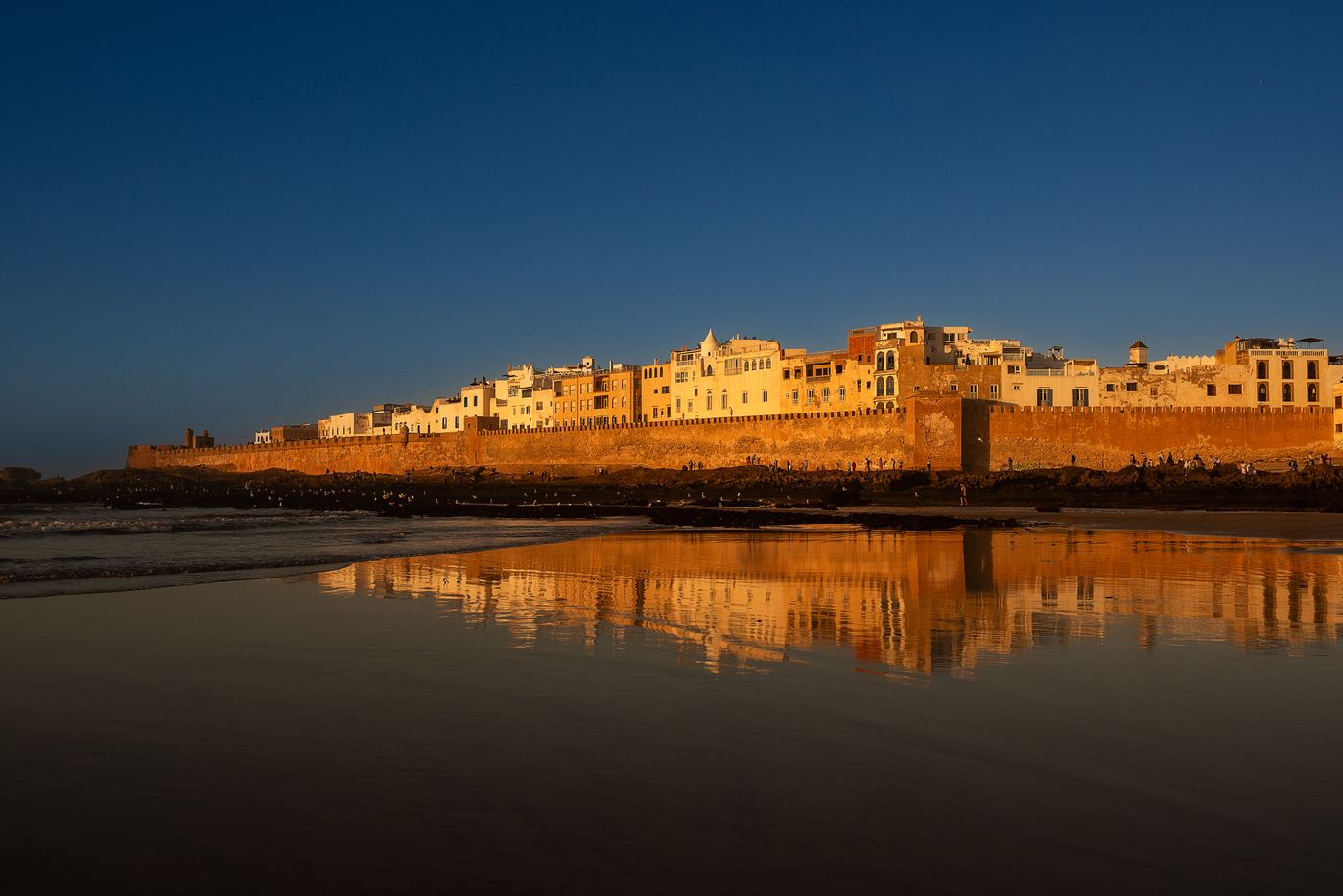
Essaouira
Also known as Mogador, it's a historic town on the Atlantic coast. It used to be one of Morocco's main fishing ports; today it's one of Morocco's main tourist magnets instead.
04
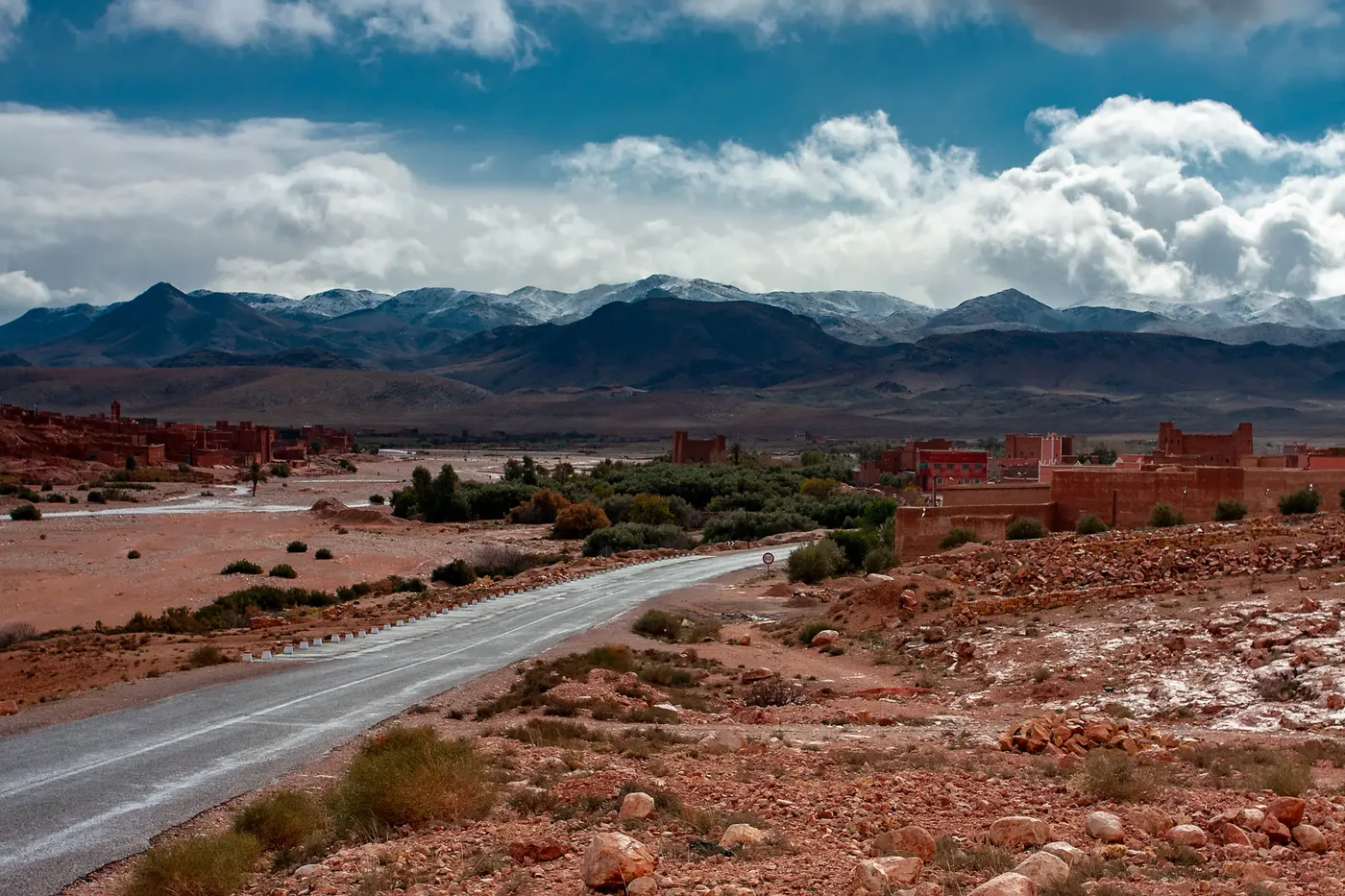
High Atlas
The High Atlas still forms a natural barrier to tourism and to the modern age in general. Driving along the gravel tracks, you often wonder whether you've travelled back in time to the era of the medieval Moroccan sultans.
05
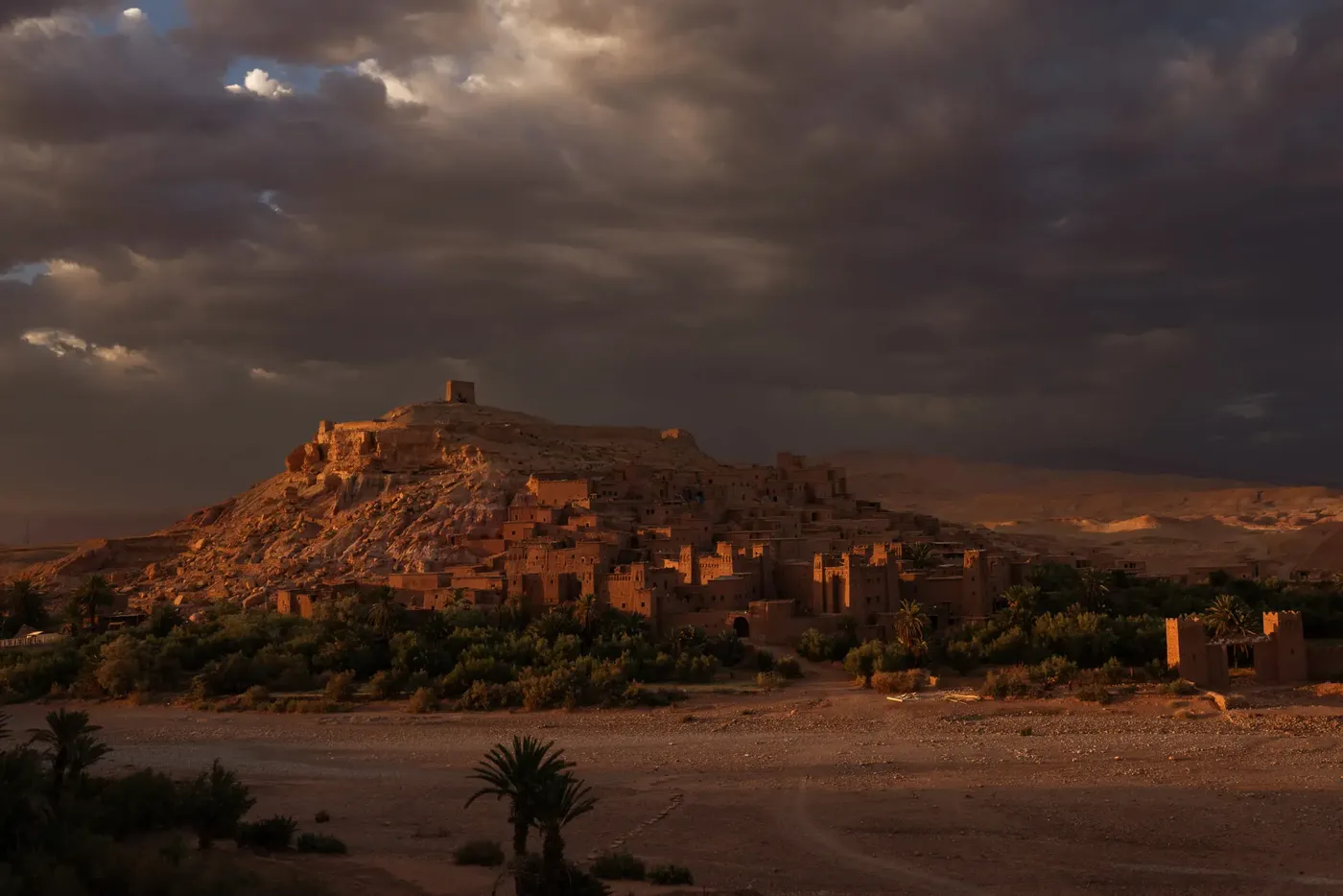
Ait Ben Haddou
Ait Ben Haddou is one of the places you simply must see in Morocco. The mud-brick fortress on a natural rise on the bank of the Ounila River whisks you, as if by magic, back to ancient times, when it served as a stop on the Berber caravan routes. The sea of palms surrounding it adds the exotic atmosphere of true oriental Africa.
06
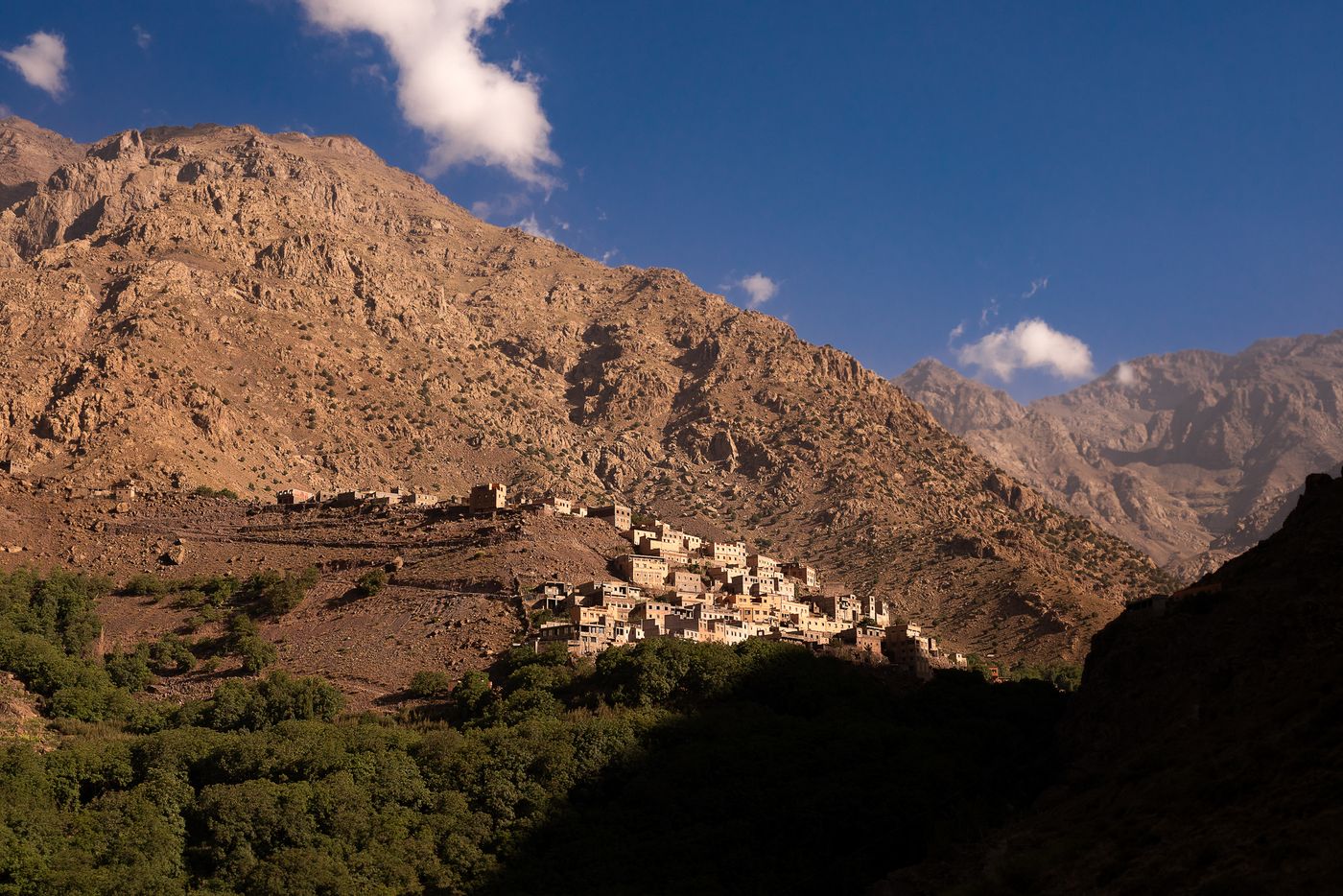
Aroumd
Aroumd lies at the end of the beautiful mountain valley of Imlil. Behind it rises majestic Jebel Toubkal, the highest peak in North Africa. The whole area, with its mountain peaks, orchards of walnut, apple and cherry trees and Aroumd's mud-brick houses with tiny windows, doesn't really seem to belong in Morocco at all. It's more reminiscent of the Chinese Himalayas.
07
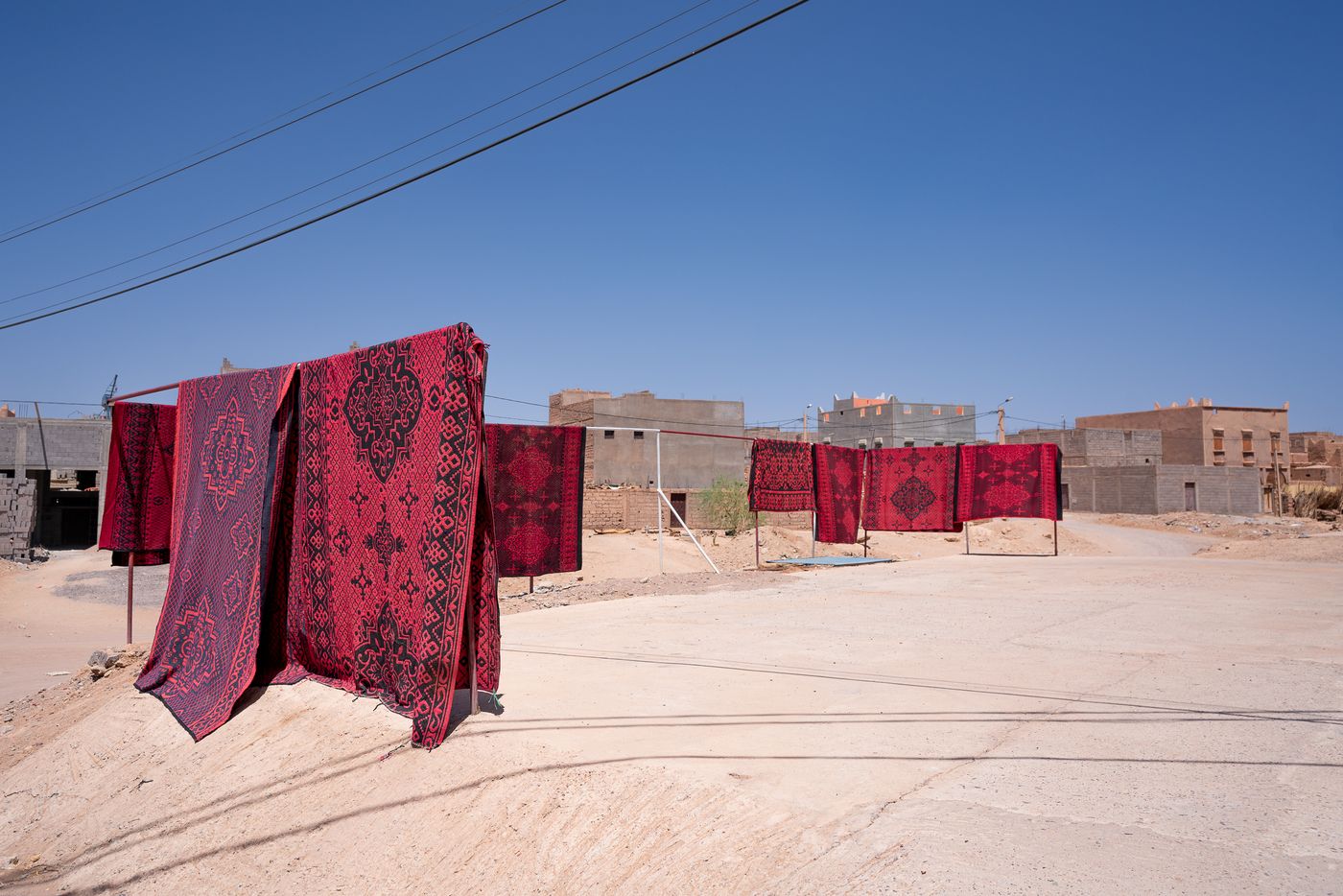
M’Hamid El Ghizlane
A small, sleepy oasis at the very end of the Drâa Valley and the last outpost of civilisation before the "endless" sandy plains of the Sahara begin, where the desert takes control over human lives.
08
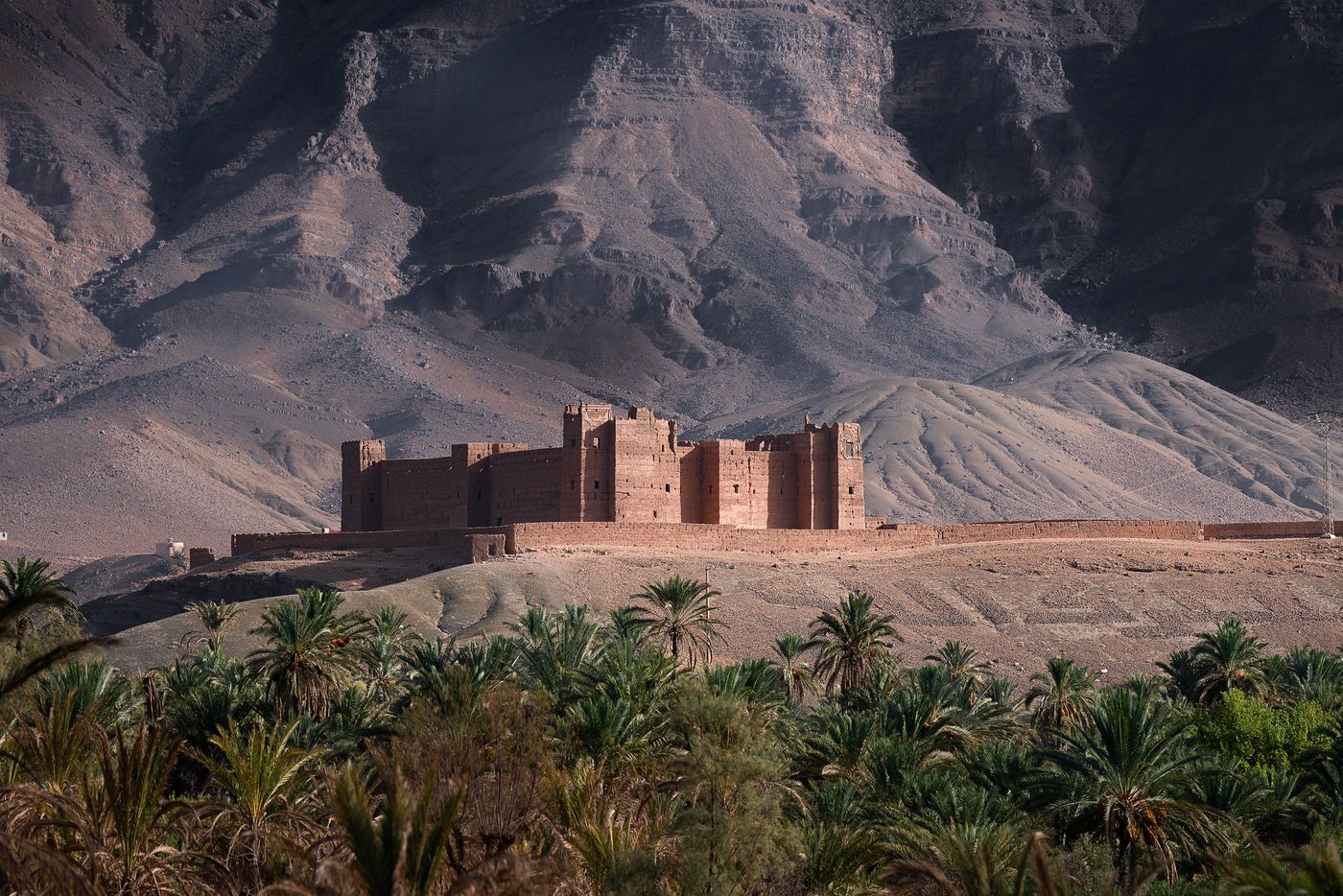
Drâa Valley
The magical valley of the Drâa River, surrounded by endless palm groves, leads into one of the most breathtaking desert landscapes in the world. You'll also find hundreds of magical kasbahs, ksars and picturesque villages here.
09
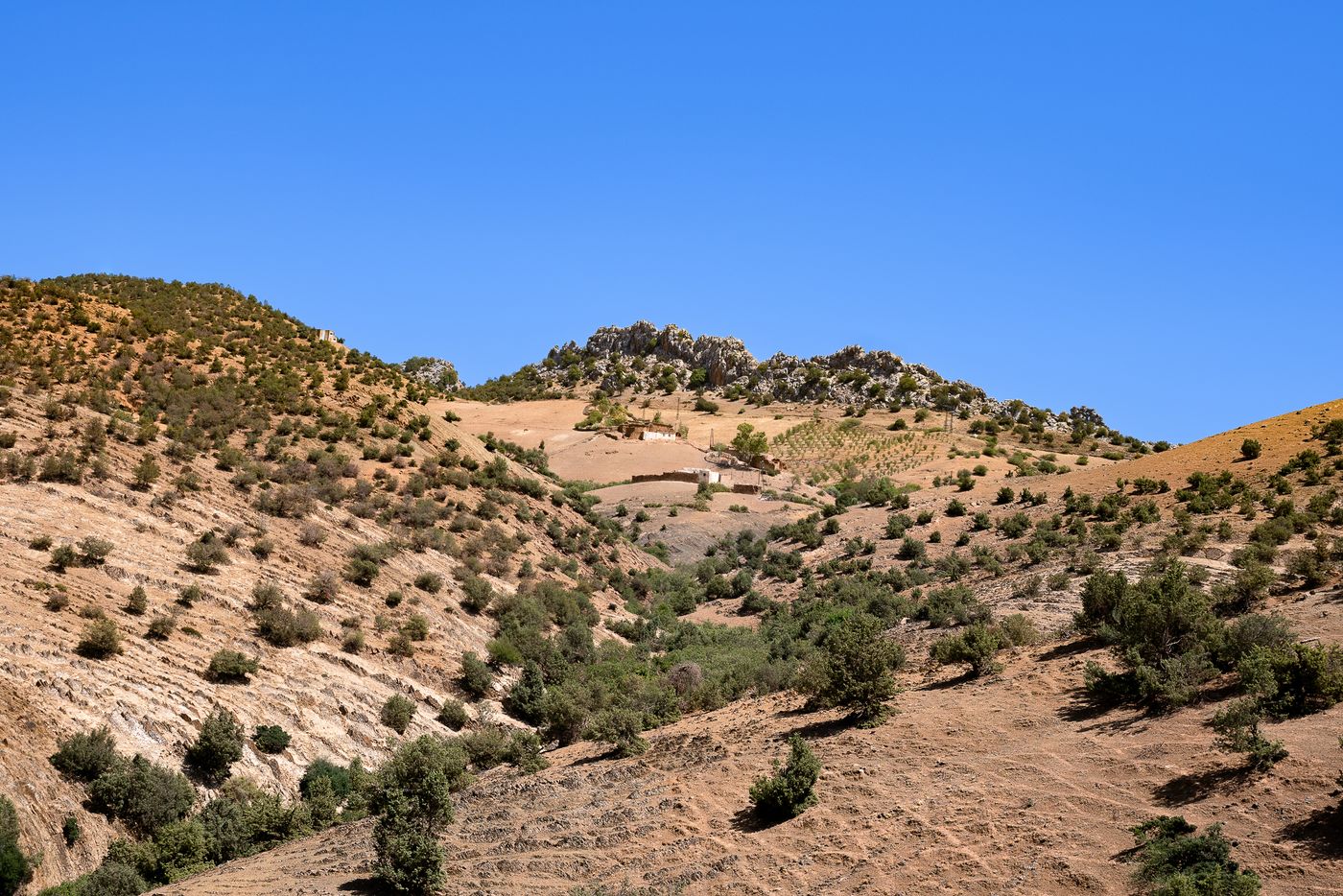
P3533 road
Travelling along the P3533 through Khénifra Province is a wonderful experience and a real break for anyone wanting to escape the hustle of the souks of Marrakesh, Fez or other tourist places. In Khénifra, travellers are greeted by vast highland plains alternating with high mountains, small villages and remote towns where a foreigner is a rare sight.

10
Tizi n’Tichka and the Ounila Valley
Tizi n’Tichka is the highest point of Morocco's roads, on the Marrakesh–Ouarzazate route. When, after crossing it, you turn onto an inconspicuous road to the left, you reach the Ounila Valley. And although it doesn't look like it, the road follows the old main artery of the trans-Saharan trade route between Marrakesh and sub-Saharan Africa.
11
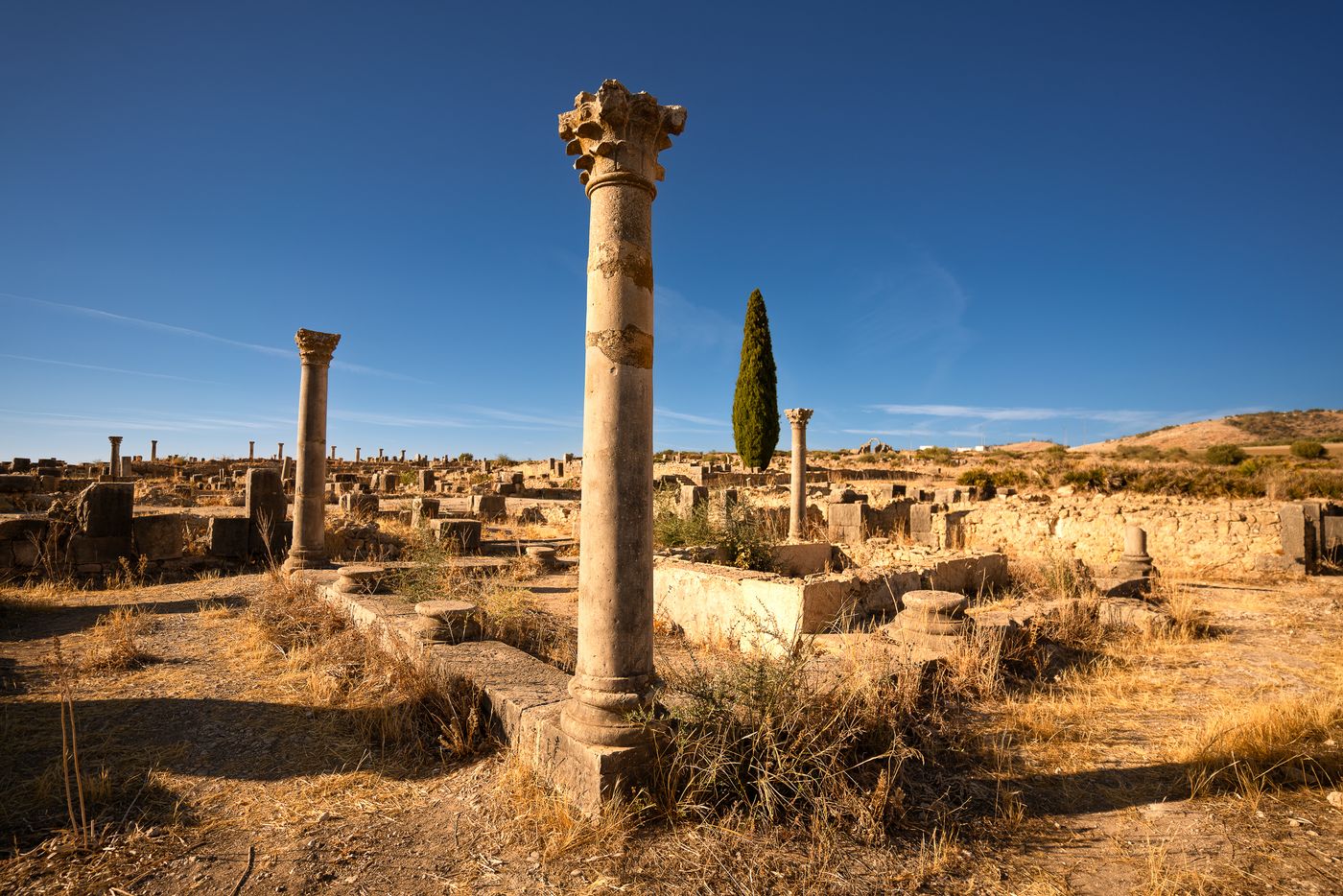
Volubilis
Volubilis, lying in an area known in antiquity as Numidia or Mauretania, was the westernmost settlement in the entire Roman Empire. At the height of its glory, Volubilis was a wealthy provincial capital of around 20,000 people, whose prosperity was built on exporting olives, olive oil and wheat to Rome, as well as wild animals that faced gladiators in arenas throughout the Roman Empire.
12
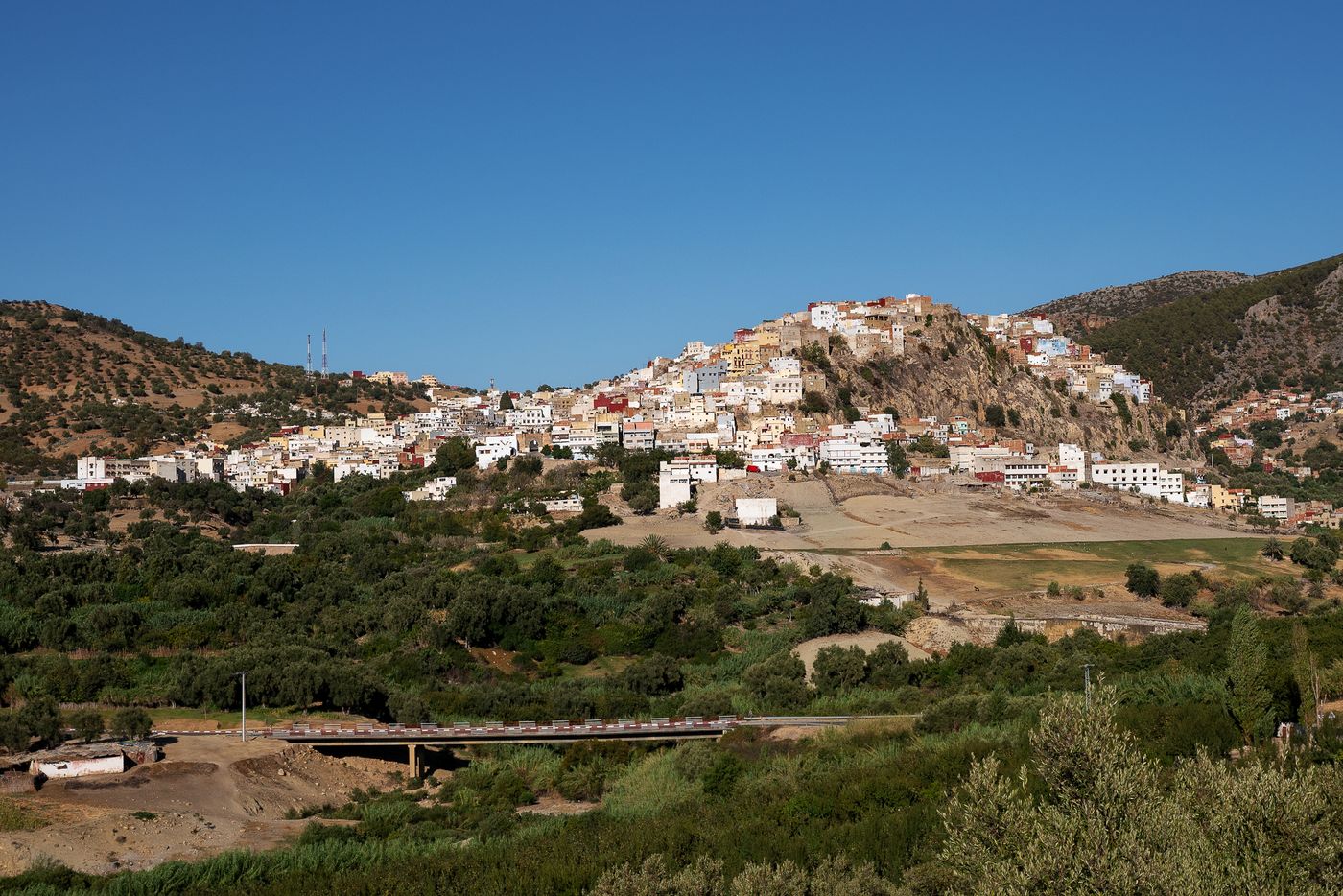
Moulay Idriss
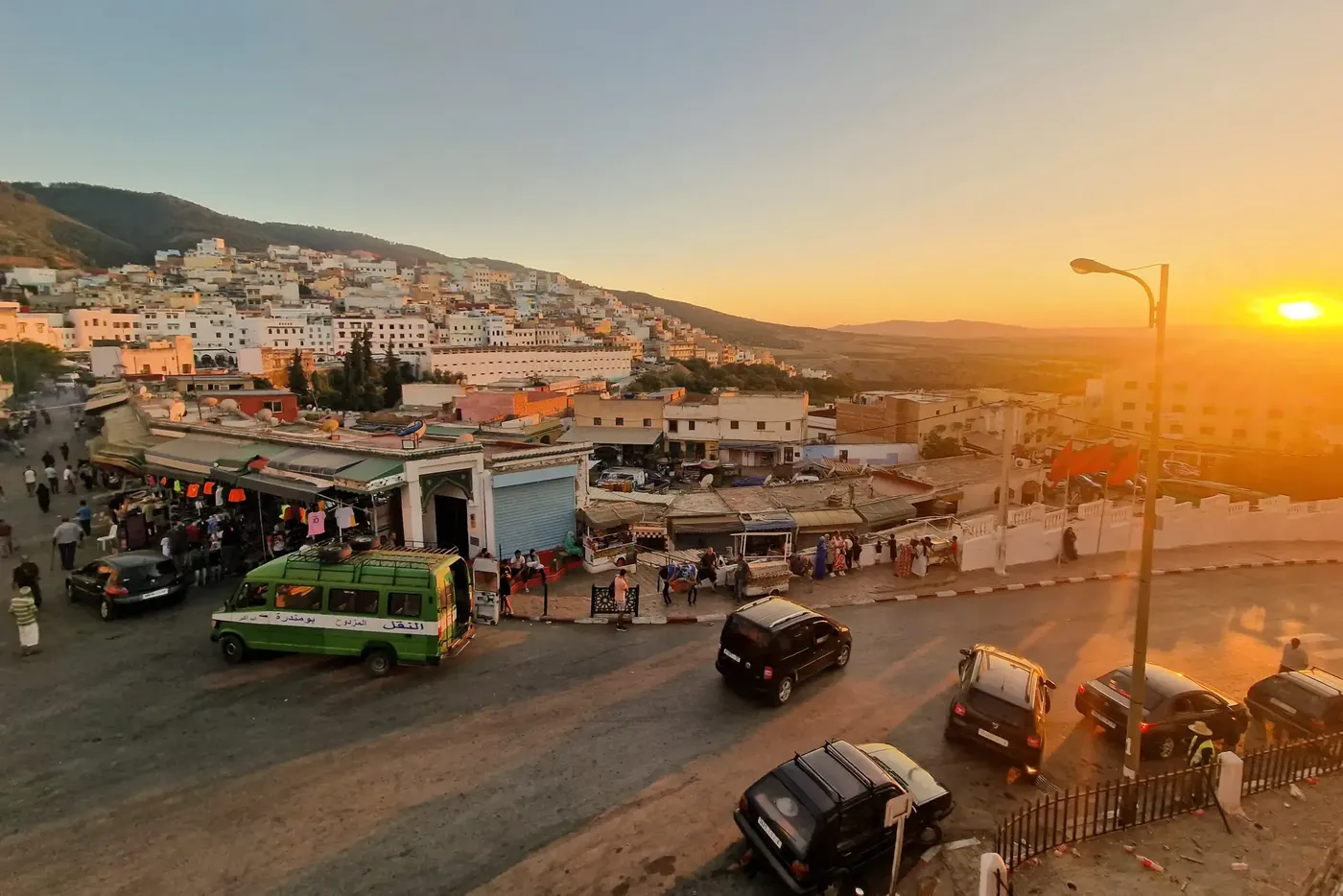
Spread across the slopes of Jebel Zerhoun, it is a sacred place for many Moroccans. This is the site of the tomb of Moulay Idriss I, great-grandson of the Prophet Muhammad, who brought Islam to the land of the West and became the first ruler of the Idrisid dynasty. For many years non-Muslim tourists were not allowed to enter Moulay Idriss, and they were only permitted to stay overnight in the holy town from 2005.
Prices
And finally, a quick look at what things cost. These are just selected items; as a general rule, prices in the countryside or away from the tourist spots are about 70% better. And here they're roughly 30% of Czech prices.
ACCOMMODATION
- Riad – from 200 MAD (440 CZK) per person, usually including breakfast
GETTING AROUND
- Airport bus – I'm talking about Marrakech here. A return ticket from the airport to the city centre (Jemaa el-Fnaa) costs 30 MAD and is valid for 14 days. A single costs 20 MAD (you have to ask for one)
- Car hire – I booked the car three months in advance, so the price was great. The standard rate is around 250–350 MAD/day for a small car (Kia Picanto)
- Petrol – 5 MAD per litre. Diesel is a bit cheaper – about 12 MAD per litre
- Garage parking – overnight parking is about 100 MAD
- Street parking – depends on how and where, but generally they want 10–30 MAD and don't much care how long you stay. If you park overnight, though, they'll want paying again the next day.
FOOD
- Bread 2–7 MAD
- Kofta tagine – 30–60 MAD
- Baguette 2–5 MAD
- Marinated olives 15 MAD/kg
- Harira 20–50 MAD
- Shawarma 20–40 MAD
- Berber omelette 20–50 MAD
- Chicken tagine 30–70 MAD
- Msemen – 2–5 MAD in a shop, 10–20 MAD in a restaurant including honey
- Grilled sardines – 20–50 MAD
- Sfenj – 50 MAD/kg
- Kebab – 20–40 MAD
- Box of dates – from 30 MAD upwards. This depends on your haggling skills 🙂
DRINKS
- Water – the good thing about water is that the price is printed on every bottle. But in general: 0.33 L 1–1.5 MAD
- 0.5 L 2–5 MAD
- 1.5 L around 4–8 MAD
- In a restaurant they'll ask 10–20 MAD for 1.5 L
OTHER
- Pack of cigarettes – cigarettes are very cheap in Morocco. Of the Western brands you can get Marlboro for 39 MAD, Camel 34 MAD, L&M 29 MAD and Gauloises 40 MAD. Local brands cost around 20 MAD.
- Volubilis admission – 70 MAD adults, 30 MAD children under 12.
- Essaouira lighthouse admission – 100 MAD
- Fine for 131 in a 120 zone – 150 MAD