WHEN TO GO
You can go to India at any time. After all, we're talking about a country (almost) the size of Europe. So there's never a bad or a good time. The mountains in summer and spring, the north in spring and autumn, the south during our winter.
HOW LONG?
Somewhere between a week and a lifetime. I'm not exaggerating. India is huge and can offer experiences for every day of the rest of your life. Realistically, though, I'd say three weeks is the minimum – and that's for a single region.
DAILY BUDGET
India is cheap. Or rather, it's cheap as long as you don't play the “fleece your foreigner” game. If you eat street food, sleep in cheap hostels and travel in the lowest class of train, you can get by on 100 CZK a day.
VISAS
Czech citizens need a visa to travel to India. You can apply in two ways: either electronically (eTV – e-Tourist Visa – indianvisaonline. gov. in, max 120 days before travel) or at the embassy.
GETTING TO INDIA
Flying from Prague to India is actually easy. Just count on a connection or flying from a nearby airport. And where to? There are lots of options. Really lots. At a guess, India has around 15 international airports you can reach from Europe.
TRAVELLING AROUND INDIA
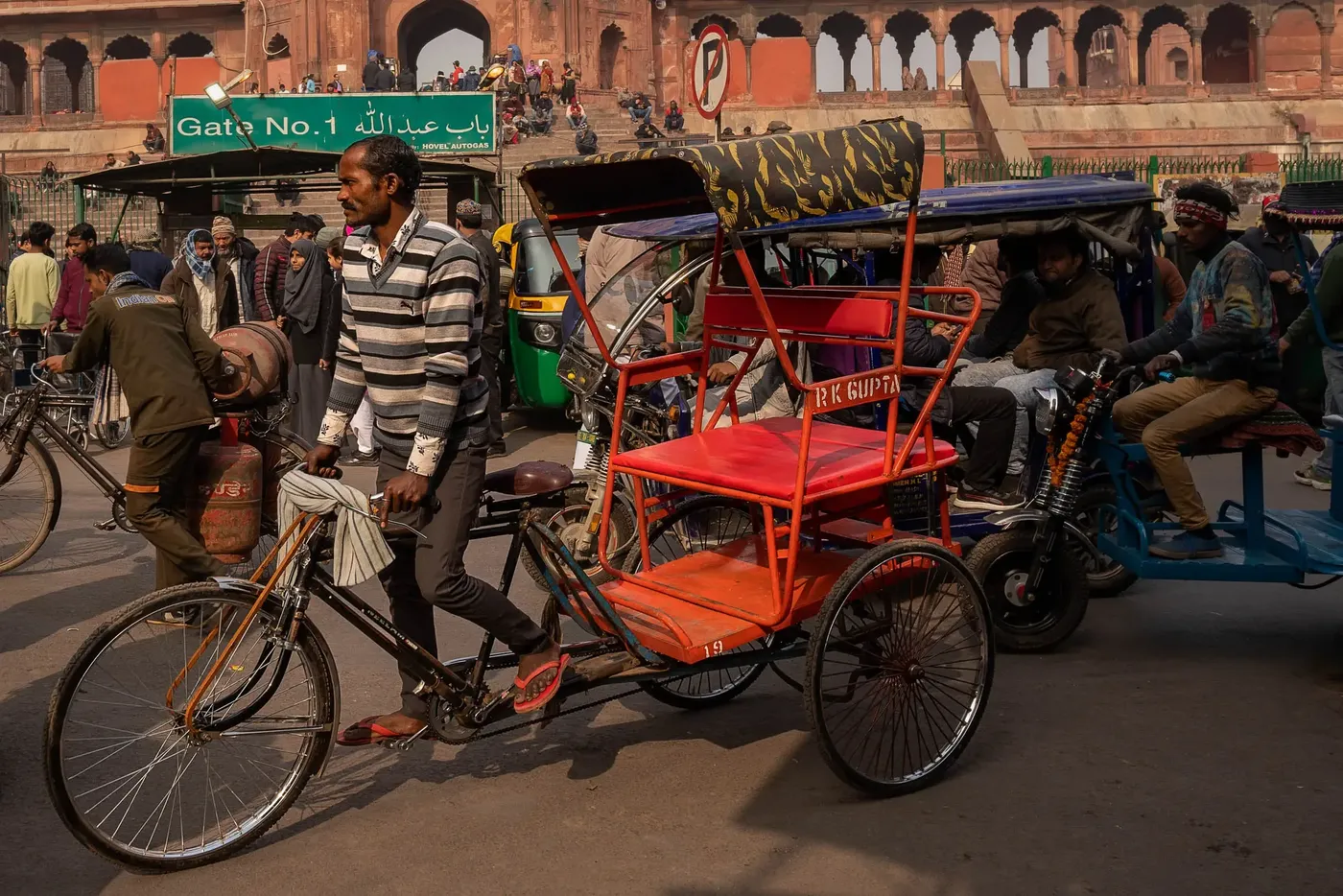
Travelling around India is something you can't experience anywhere else in the world. Chaos, dirt, noise and din. Add to that more dirt and a disregard for the rules. But also utterly human hospitality and openness. No, this can't be described, it has to be experienced. Preferably several times over.
India is cheap. Or rather, it's cheap as long as you don't play the “fleece your foreigner” game. If you eat street food, sleep in cheap hostels and travel in the lowest class of train, you can get by on 100 CZK a day.
Flying from Prague to India is actually easy. Just count on a connection or flying from a nearby airport. And where to? There are lots of options. Really lots. At a guess, India has around 15 international airports you can reach from Europe…
Getting to India
- Flights: Getting from Prague to India is as easy as getting to Rome. Yes, that's a bit of an exaggeration, but from Prague alone there are around ten options with a single connection. From nearby Vienna you can even fly direct to Delhi. The flight generally takes about 10 hours depending on the length of the layover. The main Indian airports are Mumbai, New Delhi, Kolkata, Bengaluru and Chennai. For me the ideal option is Qatar / Emirates (two easy flights) or perhaps Poland's LOT. Qatar's advantages are fairly good food and new planes. And if you're lucky and your plane departs late, you might, like me, experience a flight close to the speed of sound. Until then I had no idea an airliner could go that fast…
- Visas: Czech citizens need a visa to travel to India. You can apply in two ways: either electronically (eTV – e-Tourist Visa – indianvisaonline. gov. in, max 120 days before travel) or at the embassy. In terms of convenience, the e-visa is the ideal option.
- When: When to go to India is a very tricky question. Thanks to its size, you can really go at any time. You just need to think carefully about where. In Delhi, for instance, temperatures can exceed 50 degrees Celsius in August, whereas in January I barely had 3 degrees during the day.
- What to bring: India may be a developed country (though it doesn't entirely look that way on the ground), but most of it is still backward and, above all, hygienically stuck in the 19th century. So what do I consider essential? Basically just some medicines (e.g. broad-spectrum antibiotics); everything else you can buy in India. And in the vast majority of cases more cheaply than at home.
In India
- Language: The only language we can realistically use to get by in India is English. It's widely spoken, but the further you get from the cities, the less people know it.
- Currency: The official and only currency of India is the Indian rupee. You can also exchange EUR or USD, and the rule is: the bigger (and newer) the note, the better the rate.
- Credit cards and ATMs: India is a cash country. And an online payments one (such as PhonePe). But as foreigners we can't really get access to those. So the first thing I recommend doing after landing in India is withdrawing cash. Here comes the first snag – the withdrawal limit: the maximum you can take out of an ATM is 10,000 rupees, roughly 3,200 CZK. Some ATMs let you withdraw several times in a row, others only once a day. Reliability varies, and ATMs often run out of money. SBI Bank ATMs can be called reliable – they accepted ČSOB, KB and ČS cards alike and also have the lowest fees. Generally speaking, ATMs are everywhere, but they often don't accept international cards or have no cash.
- Plugs: Electrical plugs are the same as in the Czech Republic, so no adapter is needed. Regardless of socket type, the voltage throughout India is 230 V and 50 Hz.
- Mobile services and data: You can buy an Indian prepaid SIM card in person at international airports, in mobile operator shops, in general stores or online. I bought mine right at the airport in New Delhi. The biggest operators in India are Airtel, Vodafone and Jio. But given how big India is, coverage isn't the same across the country. If you're only going to the north, Vodafone is best. If you're also planning the south, Airtel is the best option. However, in January only Airtel had a stand at the airport (Terminal 3 – right opposite the International Arrivals exit, next to Costa Coffee, open 24 hours a day), so I ended up with them. And a word of warning: they only sell SIM cards for cash, so you'll need to visit an ATM first.
Travelling in India, or My Journey Through India
Putting together an itinerary for India was a small purgatory. There are countless places in India and I had just under a month. In the end I chose a combination of the classic Golden Triangle (Delhi -> Jaipur -> Agra) plus Varanasi, and for the second half Karnataka in southern India.
Some say the best way to travel around India is by train. And they're partly right. On a train you get closest to the very essence of India. But back to the facts. There are 5 basic ways of getting around India and I used them all: train, plane, bus, metro and rickshaw. A special case is hiring a car and driving. That takes really steady nerves and some driving experience in Africa. Even so, I sometimes had my work cut out.
The classic modes of transport can be a bit punk at times, but nothing completely different (apart from buying tickets, delays or cancellations). What is different, and frankly utterly insane, is hiring a car in India. Still, I recommend it 100%, even though behind the wheel I often thought otherwise. Where else will you experience driving with absolutely no rules, with cows and carts on the road, cars without any lights, lorries coming the wrong way down the motorway and much more? I've driven on five continents and I can tell you: nowhere. That's only possible in India.
Places of Interest
Naming the interesting places in India is a bit like looking for the best beer in Bohemia. Everyone has their own opinion. Below I've listed the 10 places that impressed me most. And more in the individual regions – (TO BE ADDED)
01
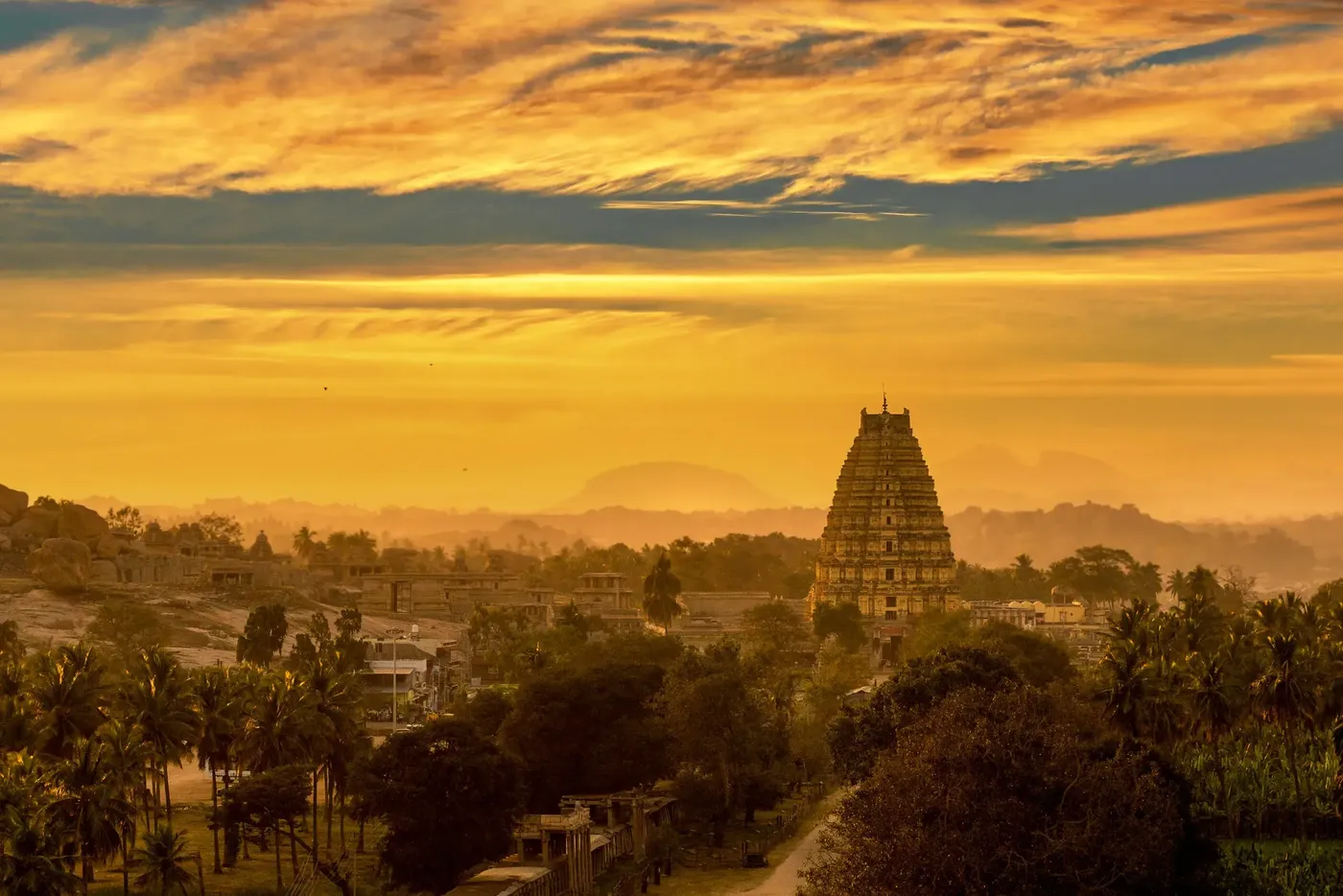
The Ruins of Magnificent Hampi
The ancient city of Hampi in southern India, in the state of Karnataka, was considered the largest and richest city of its time. The ruined temples and market complex on the Tungabhadra River were once the busiest and most developed city of the fourteenth century.
02
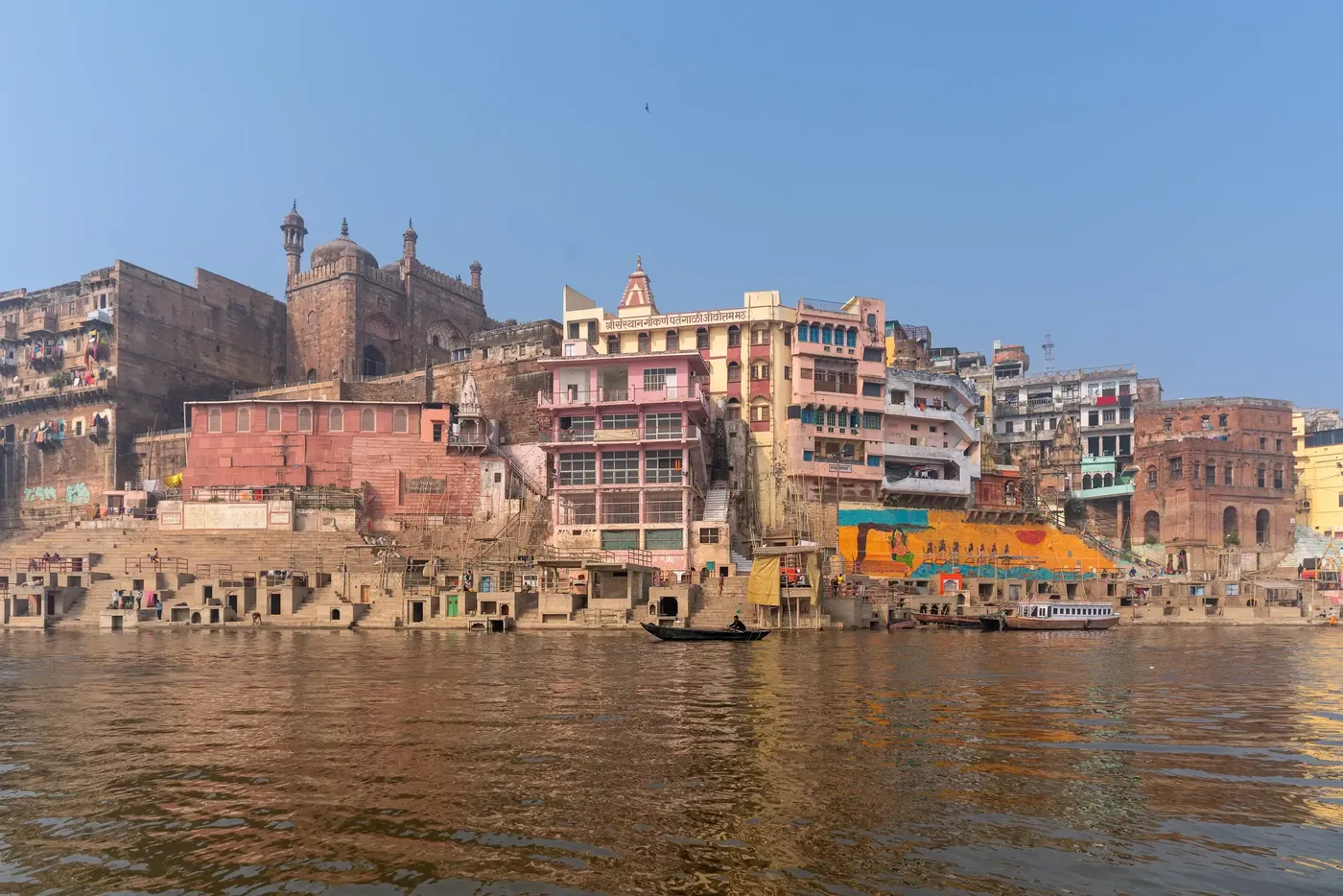
Immortal and Mortal Varanasi
The Ganges and death. The two main reasons why Hindus from all over the world flock to the holy city of Varanasi. They believe that if the body is ritually cremated after death and the ashes cast into the sacred Ganges, the soul of the deceased attains liberation and escapes the cycle of reincarnation.
03
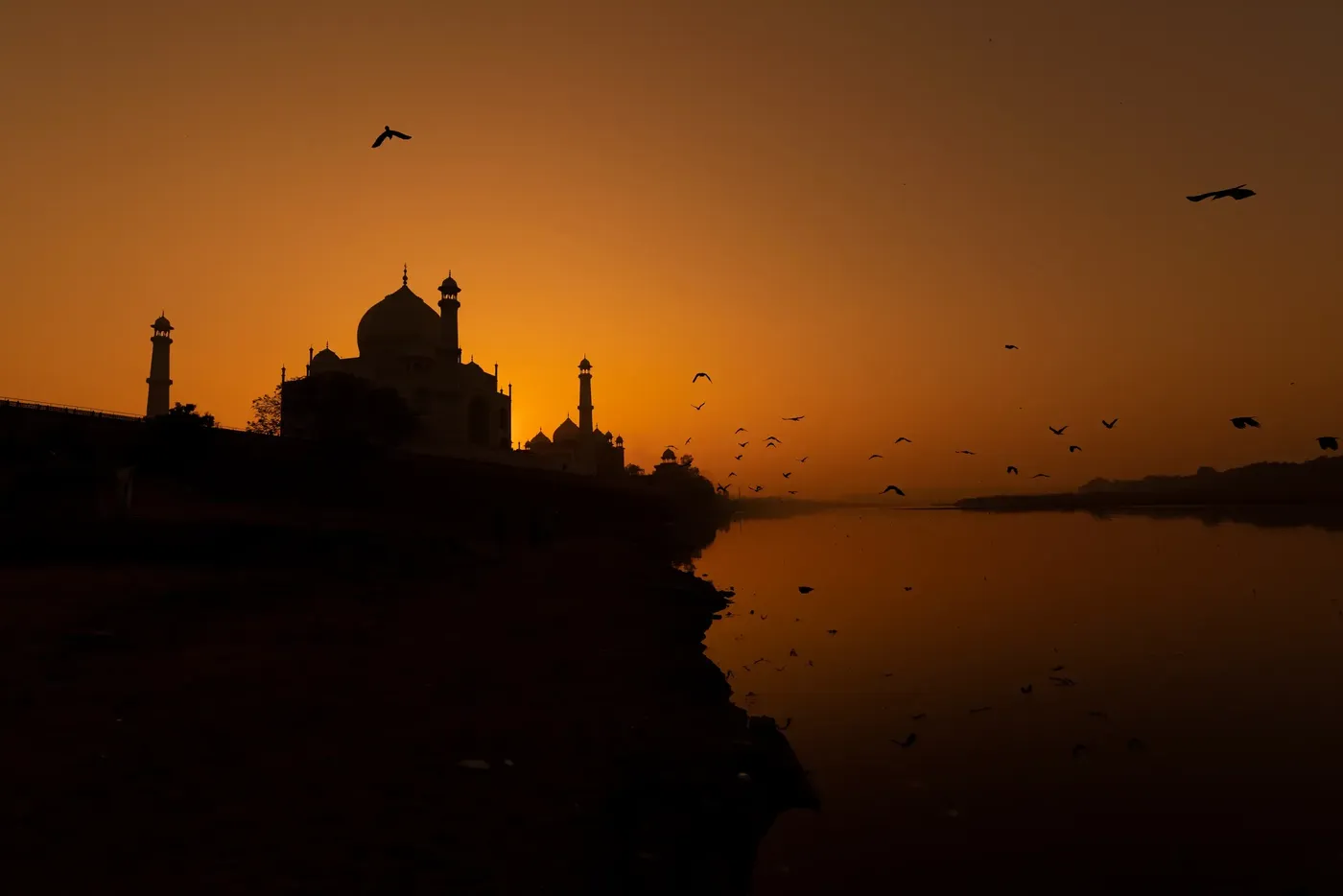
Taj Mahal
A breathtaking spectacle in white marble, unrivalled in its splendour, that reflects the fabulous wealth of an era. This astonishing building and monument to love, given to the world by the Mughal emperor Shah Jahan, bears witness to his deep devotion to his wife Mumtaz Mahal.
04
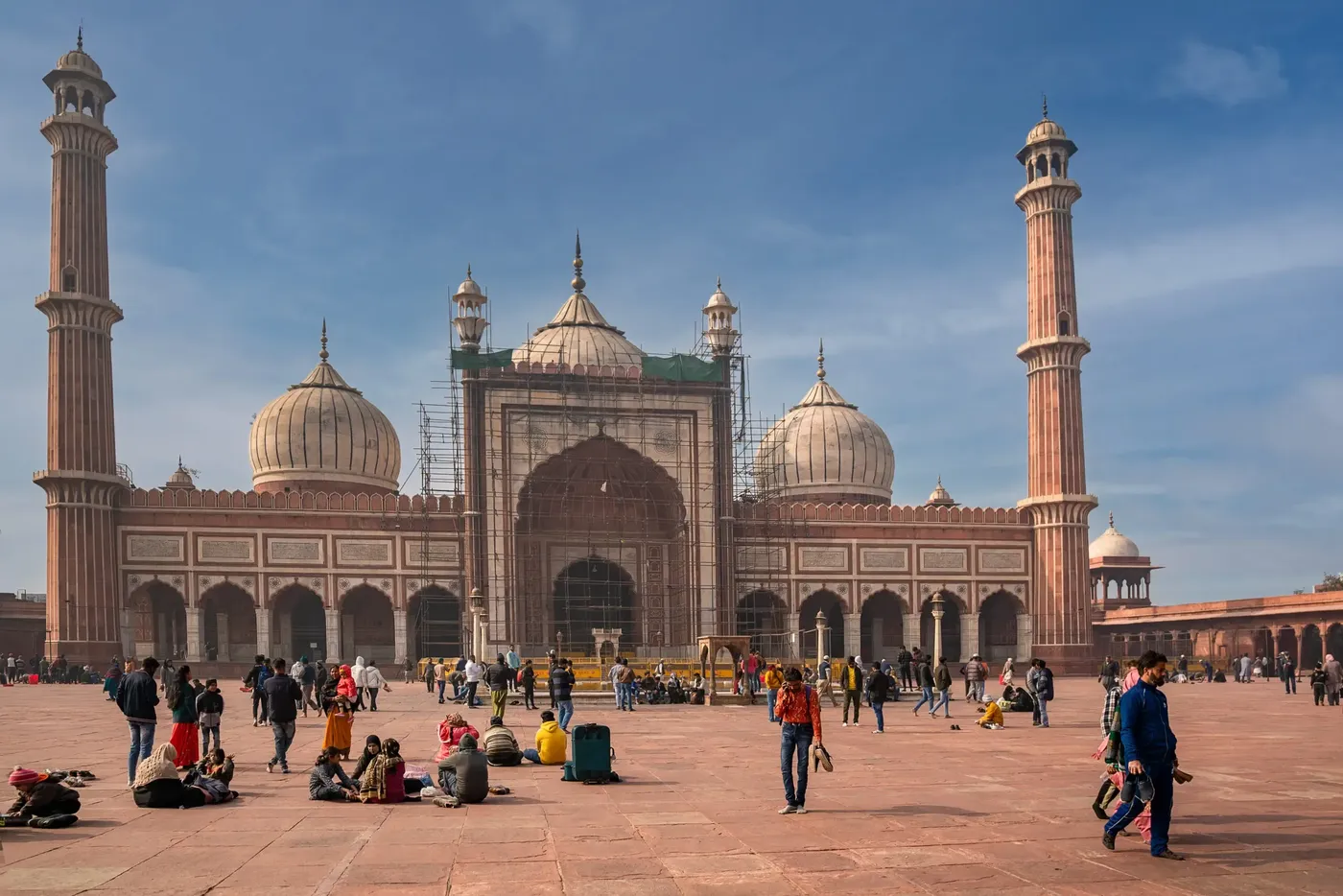
Jama Masjid
The magnificent façade and minarets of the Jama Masjid, towering over Old Delhi, are a reminder of the monumental scale of Mughal architecture. Masjid-i Jahan-Numa (meaning the mosque commanding a view of the world) is one of the greatest masterpieces of Mughal architecture.
05
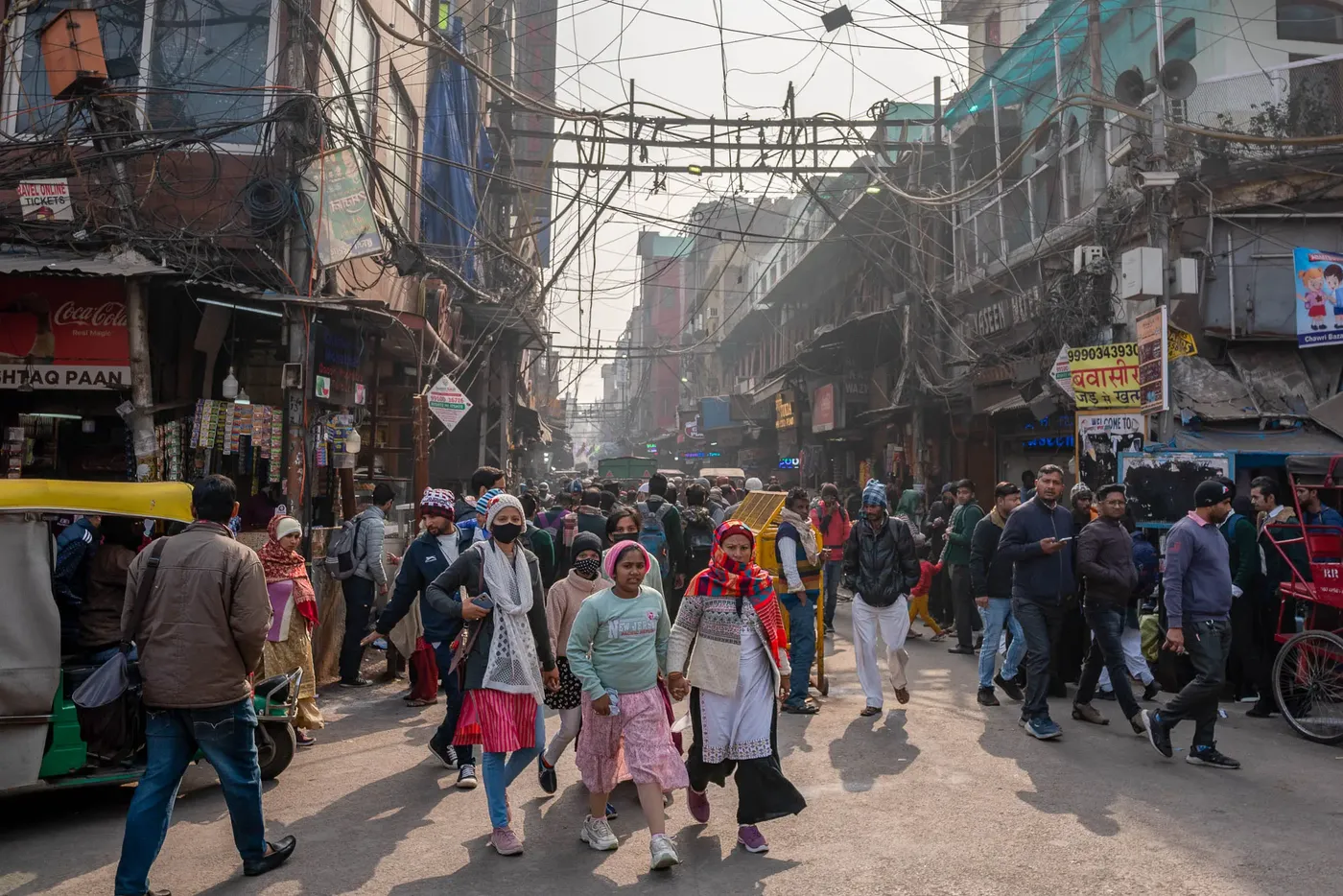
Vibrant Old Delhi
In Old Delhi the world has hardly changed in the last 200 years. Only the actors are different, there are cars now, and the rickshaws are motorised.
06
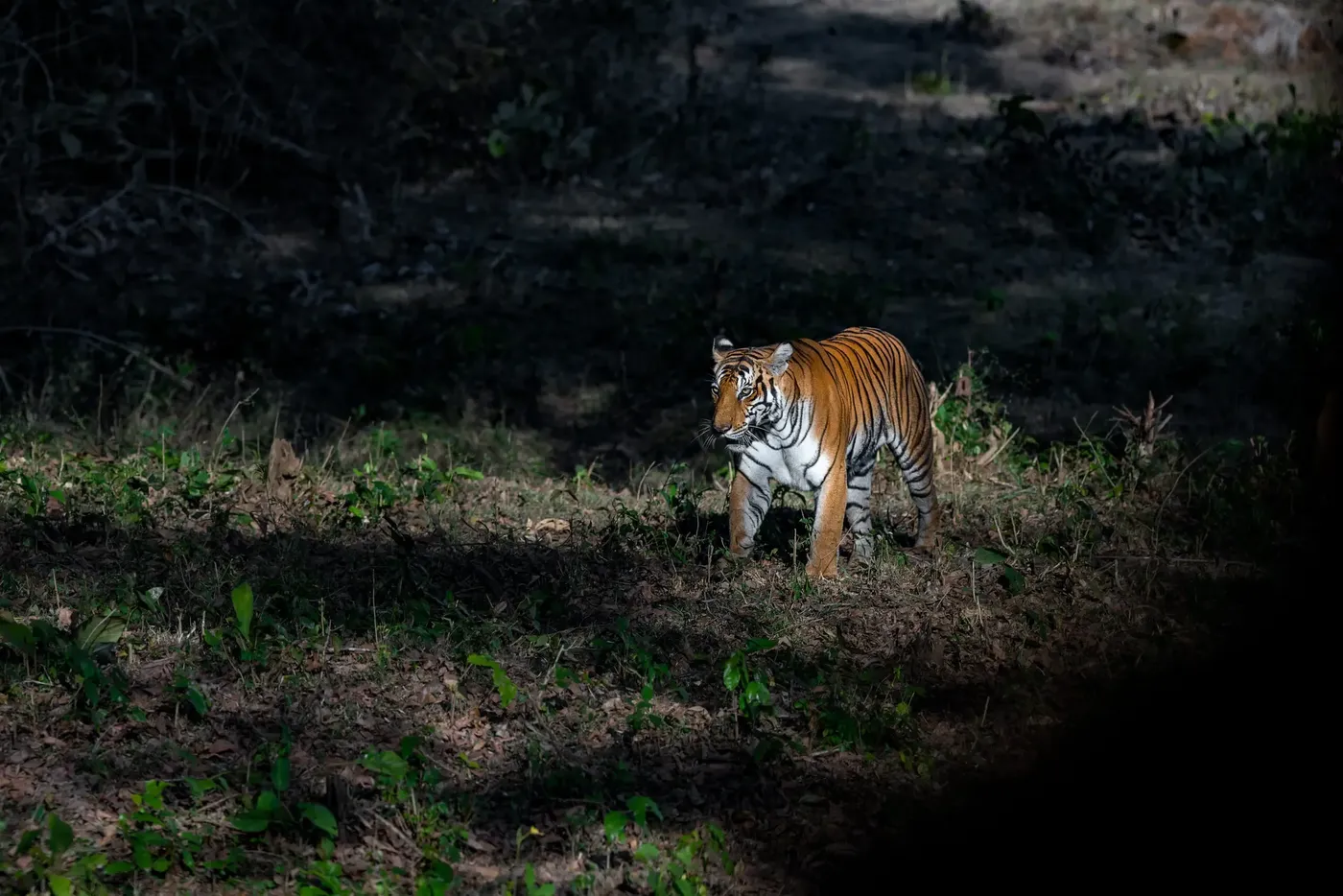
The Western Ghats and Nagarhole
The Western Ghats are an impenetrable jungle where wild tigers and leopards still roam to this day.
07
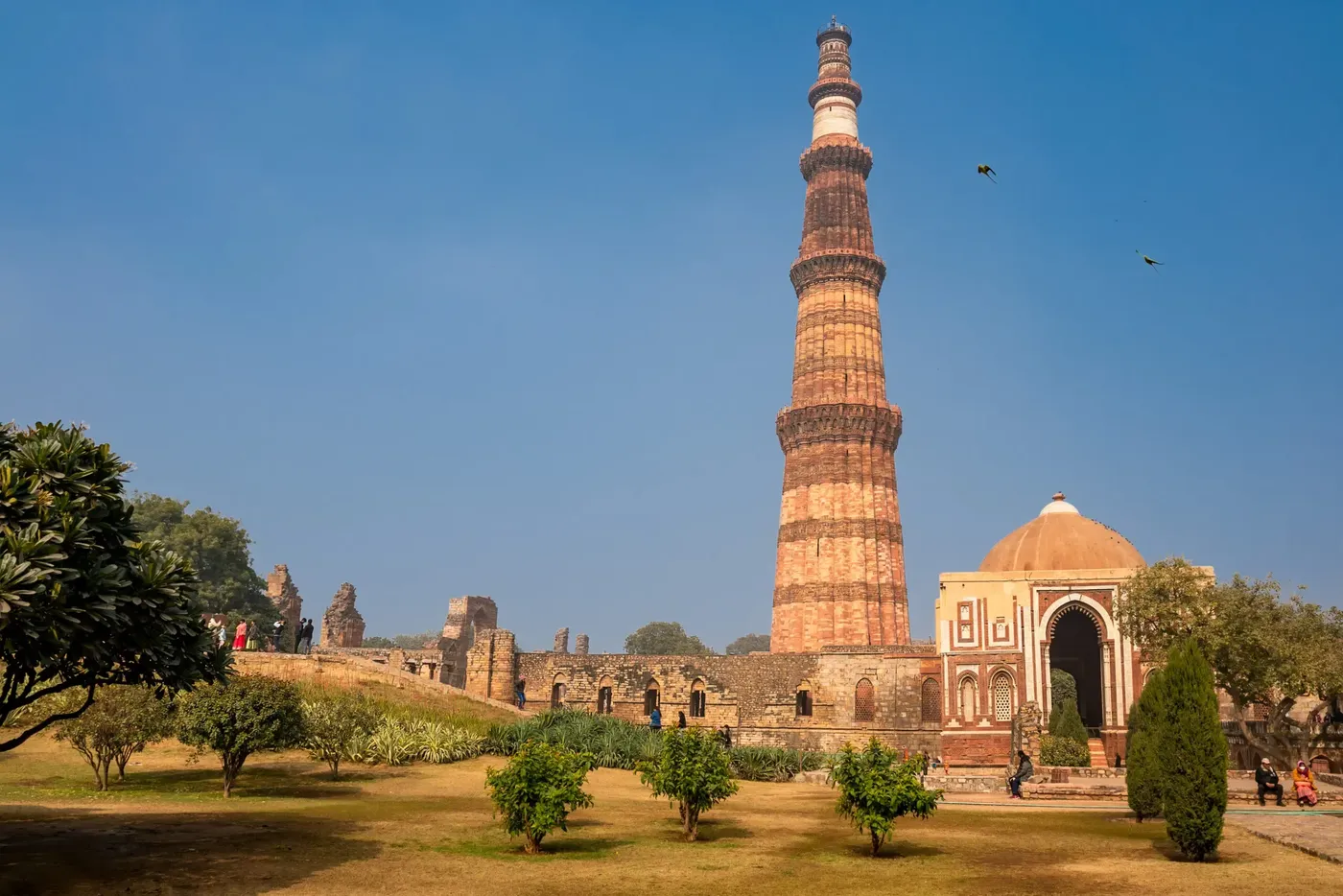
Qutub Complex
Quwwat-ul-Islam, the first mosque in India, with its distinctive pillared hall. The centrepiece is the Qutub Minar, a minaret of red and buff sandstone dating from 1199, which at 72 m was once considered the tallest tower in Asia.
08
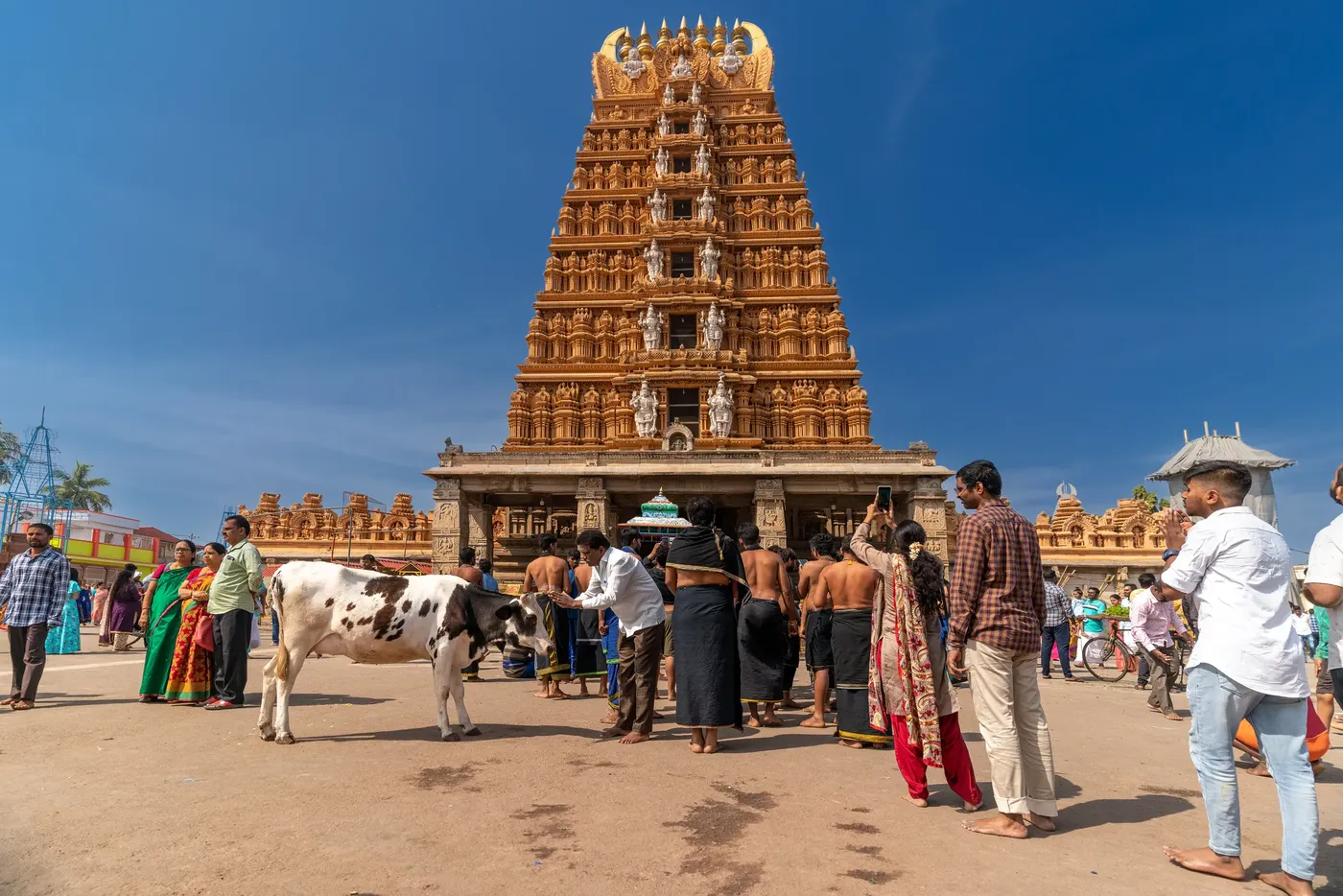
The Ancient Nanjundeshwara Temple
The Nanjundeshwara Temple is an ancient temple (c. 11th century) dedicated to Shiva in the Hindu pilgrimage town of Nanjangud. Crowds of pilgrims still flock here in search of hope, faith and strength.
09
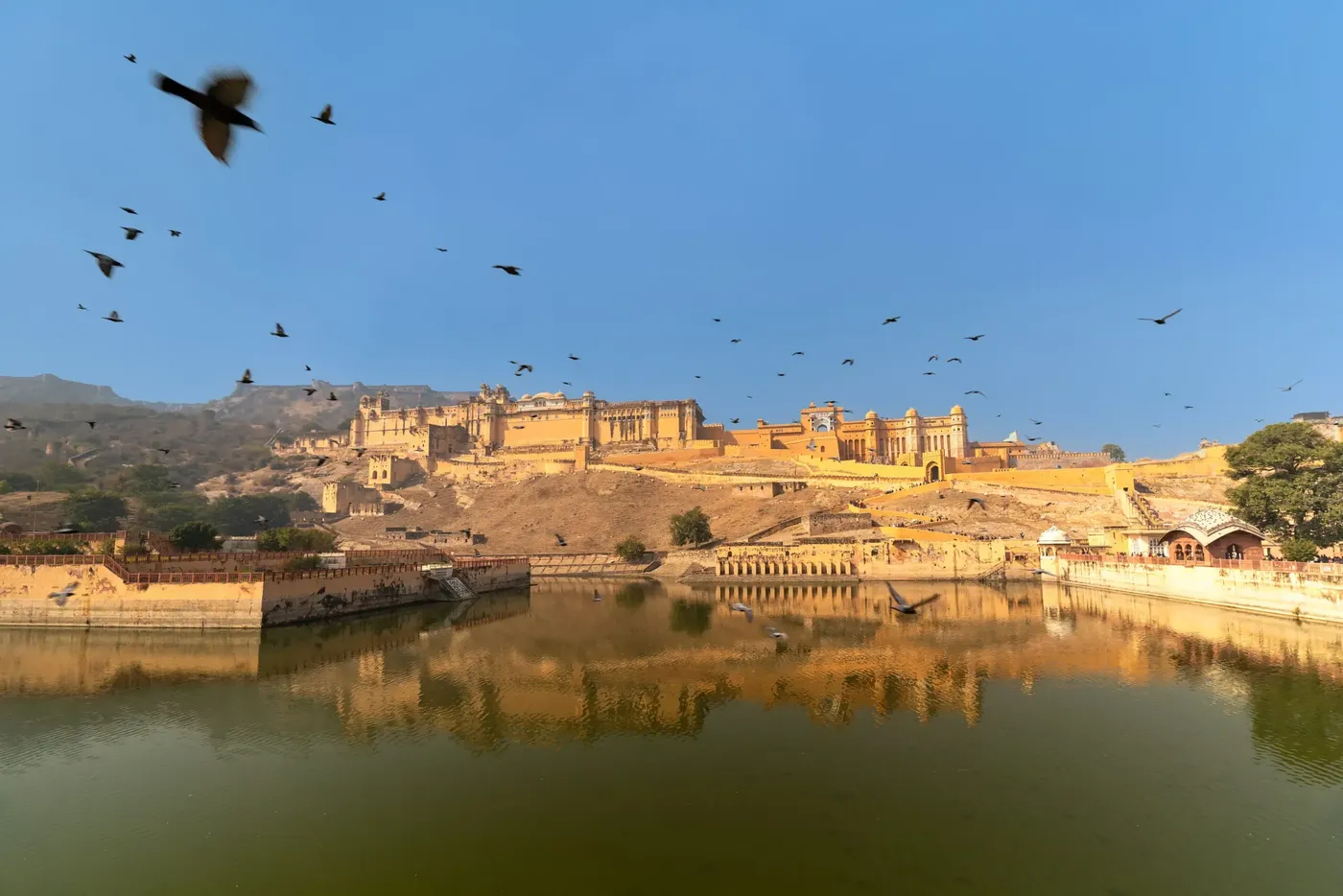
Amber Fort
Amber Fort lies about ten kilometres from Jaipur, the capital of the Indian state of Rajasthan. The name of this monumental structure can be translated as the Amber or Yellow Fort.
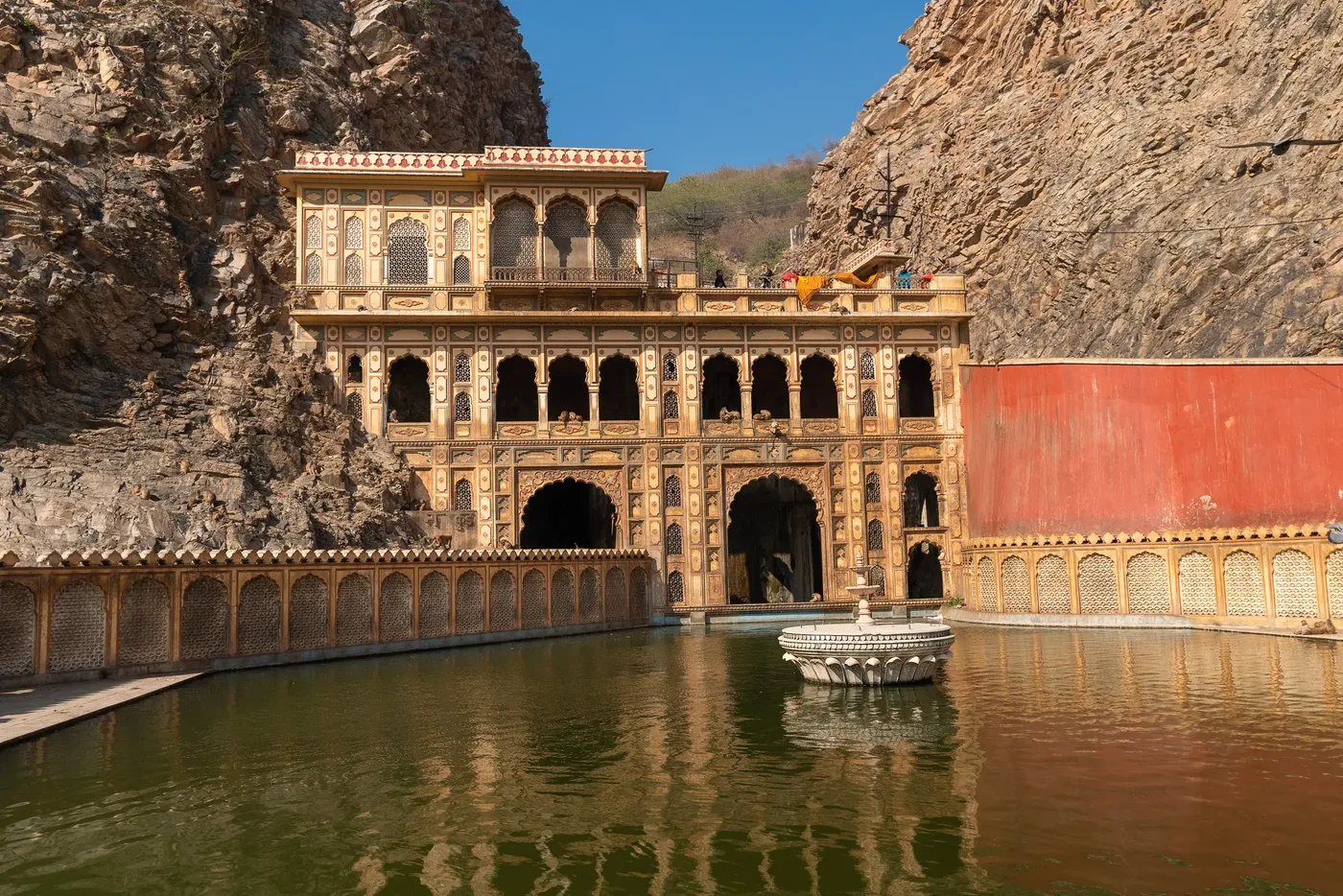
10
Galta Ji
The Galta Ji temple is considered a highly sacred place of great historical significance. It lies 10 kilometres east of Jaipur. The temple complex is essentially a cluster of several temples, the main one being Galta Ji.