My trip to India splits neatly into two distinct halves: the hellish north and the heavenly south.
And the blame – or the credit – lies squarely with the Indians themselves and the way they treat tourists. In the north, a tourist is a walking wallet, and almost every act or activity is geared towards squeezing a rupee or two out of you. The Indian government plays no small part in this, with the prices it sets for the major monuments and its rules on travelling with Indian Railways. The south, by contrast, was a world apart in human terms. Kind, welcoming people who saw me as someone – admittedly a curiosity – who wanted to get to know and understand their country, and who gave me their time for free and, above all, with genuine joy.
BUT LET'S SET THE PEOPLE ASIDE, EVEN THOUGH THEY PLAY A KEY ROLE IN THE INDIAN STORY
The journey began in pulsating Delhi and continued through the historical gems of Rajasthan and beyond – Jaipur and Agra, with their forts and the monumental Taj Mahal – all the way to Varanasi and its ghats on the banks of the Ganges, where life and death merge into a single, seamless story. Then I headed south to Karnataka, where the hidden treasures of Mysore, the fascinating ruins of Hampi and the wild beauty of the maharajas' reserve awaited me, along with the chance to glimpse majestic tigers.
So here are my ten most fascinating places – places that offer a glimpse into a world where beauty can be born even out of the greatest chaos, and that remind us that every place, however different, has its own unique story.
The Ruins of Magnificent Hampi
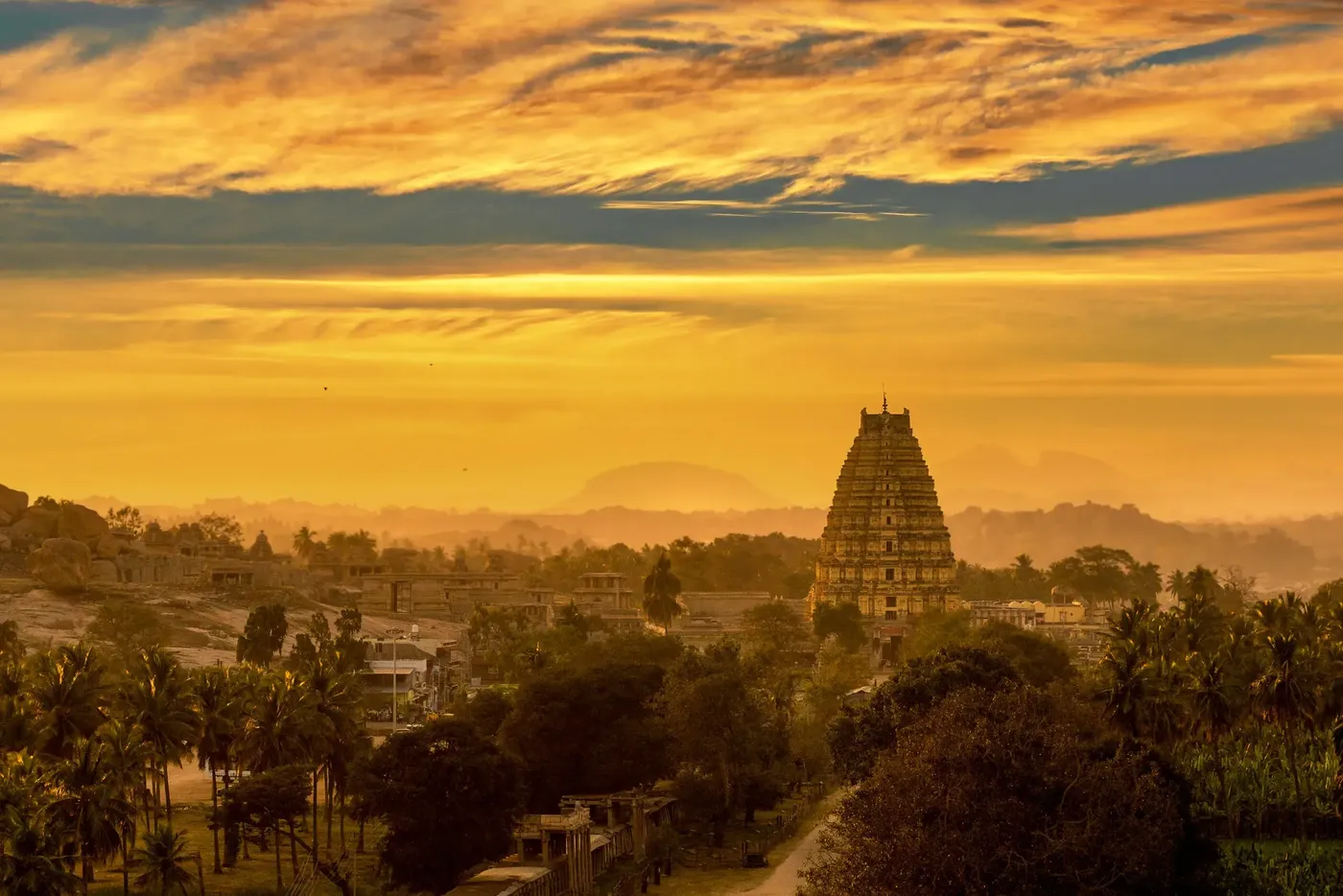
Hampi: the fascinating, magical ruins of the vast city complex of Vijayanagar, one of the largest and richest cities of the medieval world. A city that in its day was a mighty, wealthy centre of trade in gold and diamonds, of art and religion, and which almost overnight became a ruin and a monument to its own glory. All that remains are the ruins of imposing temple complexes, monumental structures and stunning rock reliefs. And legends of downfall and the transience of glory.
Yes, Hampi is one of the few places I've ever visited where you truly realise your own insignificance in the flow of time.
Immortal and Mortal Varanasi
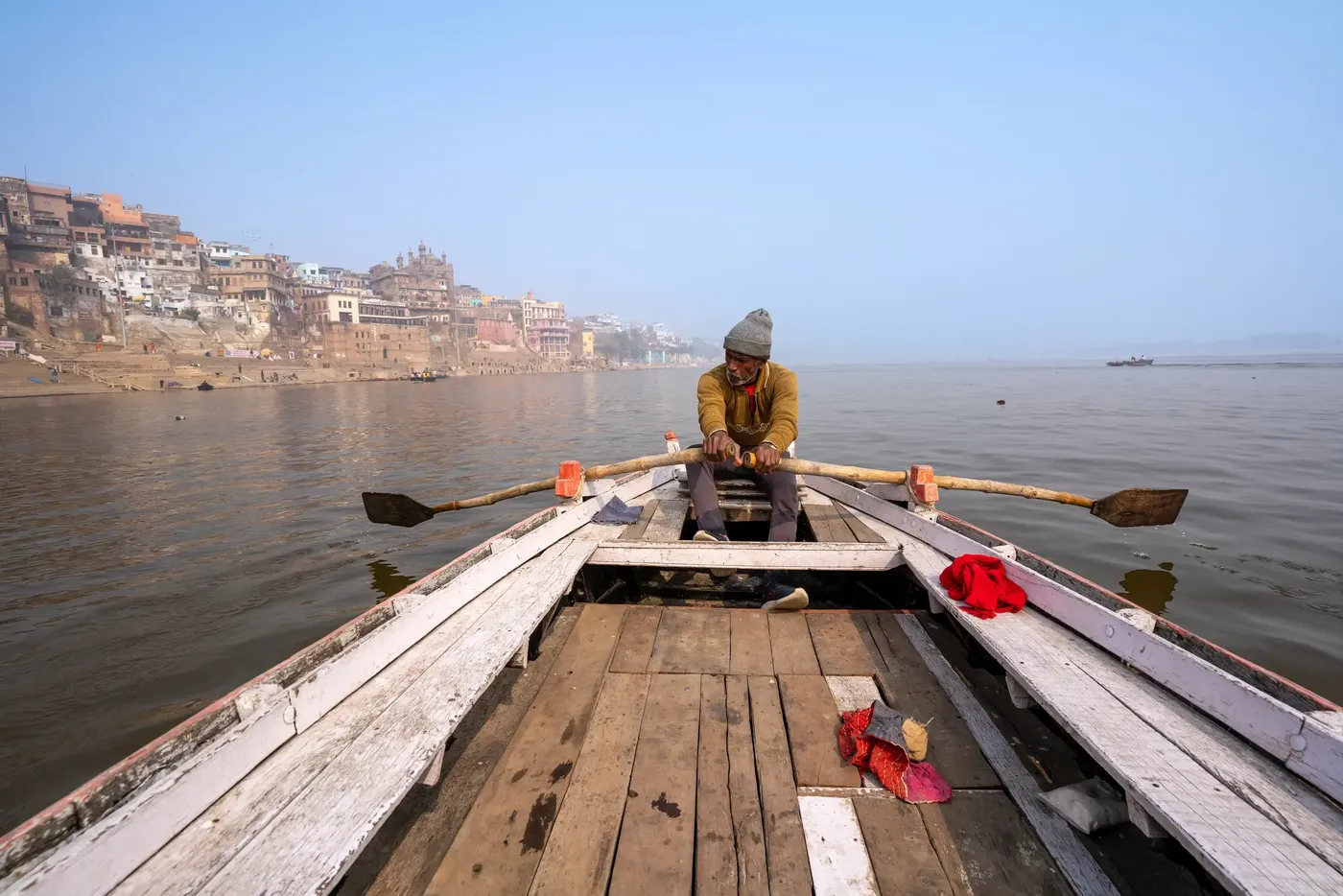
Varanasi, one of the oldest continuously inhabited cities in the world, is a place where life and death meet on the banks of the sacred Ganges and every moment is a reminder of our own transience. The air is heavy with the scent of incense and the sound of mantras, creating an atmosphere so thick you could almost cut it with a knife.
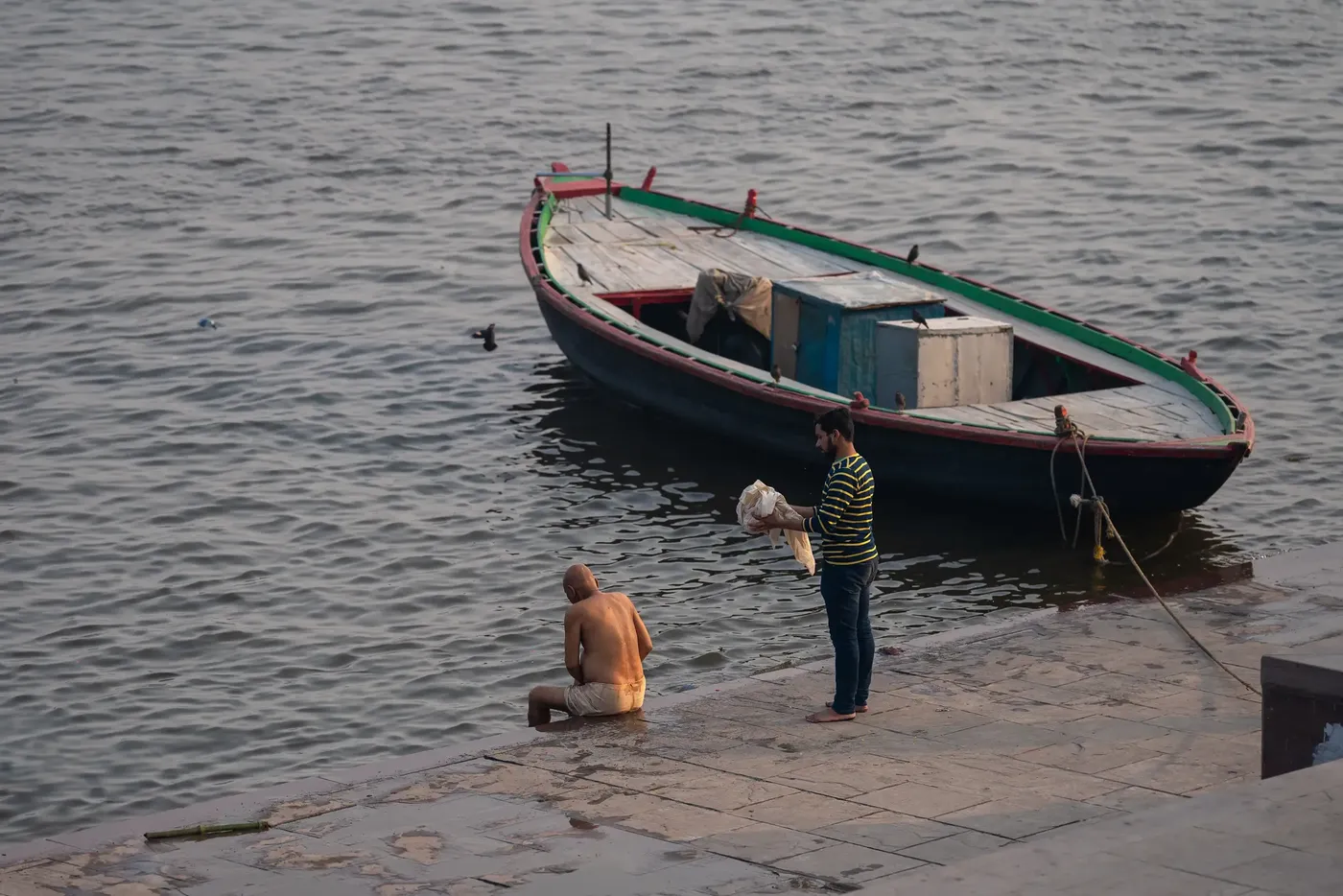
And then on the ghats, where the faithful bathe in the holy waters, time seems to stand still, allowing the soul to glimpse infinity. Here, where life and death meet on the banks of an eternal river, every moment is both a reminder of our own transience and a celebration of the endless cycle of existence.
Taj Mahal
The Taj Mahal, a majestic monument to love, stands on the banks of the Yamuna as an immortal symbol of everlasting devotion. Its flawless white marble domes and minarets glow in the morning light (that is, unless you get impenetrable fog like I did), reminding the world that true love transcends the boundaries of time and death. The air around the Taj Mahal is filled with a silence utterly untypical of India. But it is not an empty silence – it is full of wonder, admiration and awe.
It stands as a solid yet tender reminder of humanity's ability to create something lasting and beautiful from the depths of grief and loss. The Taj Mahal is not just a mausoleum; it is a poem in stone, a celebration of life and love as eternal as the sky itself. But… the Taj Mahal can't really be described at all – it has to be experienced.
Old Delhi
Old Delhi, with its narrow lanes and historic monuments, tells tales of bygone days when it was the heart of a mighty empire. Every corner, every bazaar, every ancient mosque and Hindu temple comes alive with stories of wealth, religious tolerance and the artistic passion that shaped the area. The air is saturated with the aromas of spices, the cries of vendors and the rustle of saris, as if past and present had merged into one endless moment.
And then there are the monuments to human greatness. It doesn't matter whether it's the Jama Masjid, one of the largest mosques in India, the Qutub complex with the Iron Pillar, perhaps India's greatest historical mystery, or the magnificent memorials of the Mughal Empire such as Humayun's Tomb or the Red Fort.
Nagarahole Tiger Reserve
Nagarahole Tiger Reserve, once the exclusive hunting ground of the maharajas, now stands as a sanctuary for wildlife in the heart of the Western Ghats in Karnataka. This breathtaking natural jewel is full of deep, mysterious forests – a place where majestic tigers still reign and rivers tell stories like that of Mowgli.
And that feeling when the bushes part and suddenly you're looking straight into a tiger's eyes – I'll never forget it. Power, resolve and freedom in a single gaze.
The Ancient Nanjundeshwara Temple
The Sri Nanjundeshwara temple complex, also known as the Nanjangud Srikanteshwara Temple, is one of the most sacred Hindu temples in India. The origins of the temple, dedicated to Shiva, date back more than a thousand years. And yet it remains a living spiritual place, drawing pilgrims and visitors from all over India and the world.
According to legend, the temple is known as 'Nanjundeshwara', meaning 'He who swallowed the poison'. This refers to the story in which Shiva swallowed poison and thus saved the world from destruction.
Jaipur
Jaipur, known as the Pink City and founded in the 18th century, was India's first carefully planned city. That makes it completely different from other Indian cities – above all in the width and regularity of its streets, laid out in 6 sectors separated by boulevards 34 metres wide. And in its cleanliness, too. Despite its relative newness, it has plenty to offer, whether it's the Hawa Mahal palace, the Jal Mahal water palace or the lively, bustling bazaars.
Srirangapatna
Srirangapatna, a small town with a rich history, lies on the banks of the sacred Kaveri River in Karnataka. The town is best known as the site of the last stand against British forces, led by the famous ruler Tipu Sultan, known as the Tiger of Mysore. But most people come here today, as they have for centuries, for the Ranganathaswamy Temple, considered one of the largest temples dedicated to the god Vishnu.
The Temples of Karnataka
Karnataka, the heart of southern India, is home to some of the most breathtaking and architecturally significant temples in the world – living testimony to the region's rich history and spiritual heritage. Among these gems are the temples of Belur and Halebidu, highly prized for their sophisticated Hoysala architecture, intricate reliefs and dazzling sculptural work recounting tales from Hindu mythology. Belur, with its Chennakeshava Temple, and Halebidu, home of the Hoysaleswara Temple, both bear witness to the incredible craftsmanship and artistic skill of the Hoysala-era builders, with every stone and statue here telling a story with deep spiritual meaning.
Another gem is the Hoysala Shri Doddagaddavalli Lakshmi Devi Temple, which stands as an oasis of calm and spirituality amid the greenery. This temple is unique in its design and structure, offering a different perspective on Hoysala architecture. The Shri Kalleshwara Swamy Mandir in Gadag is another fascinating example, where history blends with spiritual significance. This ancient temple, dedicated to the god Shiva, is remarkable for its simplicity and complexity at once, and is another precious contribution to Karnataka's rich cultural and spiritual heritage. These temples are not merely places of worship but also miraculous works of art that have withstood the test of time and offer visitors a profound insight into the past.
And India's tenth top 'place' is its food
Indian cuisine is a great gastronomic experience, and thanks to its diversity there's something for everyone (whether it's Tandoori chicken, Palak Paneer spinach or Tikka Masala). Indian cuisine is known for its distinctive spices, such as curry, turmeric, chilli, saffron, cardamom, ginger and coriander. It's also a paradise for vegetarians, as there are more restaurants in India serving vegetarian food than meat.